Cornaceae
Red-Barked Dogwood (Cornus alba) – Care, Growing Tips & Uses
Cornus alba
An easy-to-grow, fast-growing deciduous shrub that thrives in full sun to partial shade. Water weekly during the growing season; tolerates moist and even occasionally wet soils. Prune hard in late winter every year or two to encourage the vibrant new red stem growth that is its main ornamental feature. Hardy from zones 3a to 7b.
Every 7 days
Bright indirect
-29° - 30°C
30% - 60%
Categories
What is Red-Barked Dogwood?
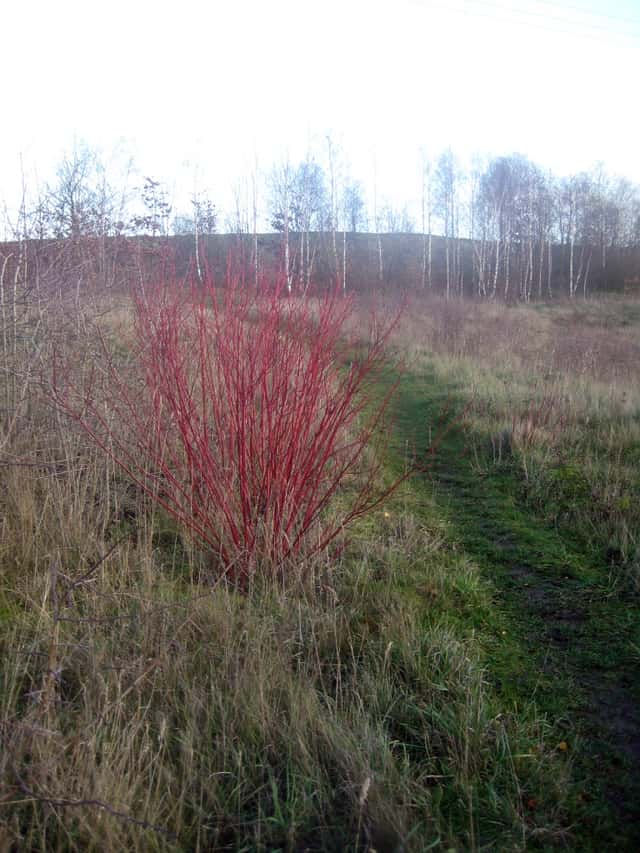
Red-Barked Dogwood (Cornus alba) is a easy-care plant from the Cornaceae family. Cornus alba, commonly known as the Red-Barked Dogwood or Tatarian Dogwood, is a deciduous shrub native to Siberia and northeastern Asia. It is prized for its striking bright-red stems that provide vivid winter color when leaves have fallen. In spring, it produces flat-topped clusters of small creamy...
Red-Barked Dogwood grows up to 3.0m, spread of 300cm, watering every 7 days, -29°C – 30°C, 30–60% humidity. It is not suitable for indoor environments and not safe for pets.
Unlike many tropical plants, Red-Barked Dogwood tolerates watering mistakes. Best for beginners. Without precautions, ingestion can cause irritation in pets. Keep out of reach of cats and dogs.
How to Care for Red-Barked Dogwood?
TLDR: Red-Barked Dogwood needs Bright indirect, watering every 7 days, and temperatures between -29-30°C with 30-60% humidity.
How Often Should You Water Red-Barked Dogwood?
Water deeply once a week during spring and summer. Established plants tolerate wet soils and short dry spells. Reduce watering significantly in autumn and winter. Avoid prolonged drought — mulch around the base to retain soil moisture.
How Much Light Does Red-Barked Dogwood Need?
Thrives in full sun (6+ hours daily) to partial shade. Full sun produces the most vivid red stem colour and best flowering. In hotter climates, afternoon shade prevents leaf scorch. Avoid deep shade, which reduces stem colour intensity.
What Is the Best Soil for Red-Barked Dogwood?
Grows in most well-drained soils — clay, loam, or sandy loam — as long as they are reasonably fertile. Amend poor soils with compost at planting. Tolerates slightly acidic to neutral pH (5.5–7.5). Can handle occasionally waterlogged conditions.
What Pot Should You Use for Red-Barked Dogwood?
Terracotta or heavy ceramic containers work well for contained planting. For garden use, no pot is needed — plant directly in the ground. If containerised, choose a large pot (at least 40 cm diameter) with good drainage holes.
Care Schedule
Fertilize
Every 60 days
What Is Red-Barked Dogwood and Where Does It Come From?
Cornus alba, commonly known as the Red-Barked Dogwood or Tatarian Dogwood, is a deciduous shrub native to Siberia and northeastern Asia. It is prized for its striking bright-red stems that provide vivid winter color when leaves have fallen. In spring, it produces flat-topped clusters of small creamy-white flowers, followed by white to bluish berries that attract birds. The dark green leaves develop beautiful reddish-purple tones in autumn, making this shrub a true four-season plant.
How to Propagate Red-Barked Dogwood?
Hardwood Cutting
Hardwood cuttings are the easiest and most reliable method. Take multiple cuttings to improve success odds. Label pots with the date.
- 1 In late autumn or winter, cut healthy stems 20-25 cm long from the previous season's growth.
- 2 Remove all leaves and cut just below a leaf node at the bottom.
- 3 Dip the base in rooting hormone powder.
- 4 Insert cuttings into a pot of free-draining compost and perlite mix.
- 5 Keep in a cool frost-free place and water sparingly until rooting occurs in spring.
Materials needed:
Ground Layering
Ground layering uses the parent plant's resources, giving very reliable results. Keep the soil around the layered area moist.
- 1 Select a low, flexible stem in spring.
- 2 Make a shallow nick or remove a small ring of bark 30 cm from the tip.
- 3 Bend the stem to the ground and bury the nicked section 5-8 cm deep.
- 4 Pin in place with a U-shaped peg or heavy stone.
- 5 Water the area regularly and sever from the parent plant once roots are established.
Materials needed:
How Big Does Red-Barked Dogwood Grow?
TLDR: Red-Barked Dogwood can reach up to 3.0m tall with Fast growth rate.
Max height
3.0m
Spread
3.0m
Growth rate
Fast
Foliage
Deciduous
Warning: Toxic Plant
This plant can be toxic if ingested. Keep out of reach of:
Plant Uses
Ornamental
Great for decoration
Is your plant showing symptoms?
Click on the symptom to discover possible causes:
What Diseases Commonly Affect Red-Barked Dogwood?
TLDR: Red-Barked Dogwood is susceptible to 7 known diseases. Monitor regularly for early detection.
Anthracnose
Anthracnose is a fungal disease caused by fungi in the genus Colletotrichum that affects many plants, including vegetables, fruits, and trees. The disease thrives in cool, wet conditions, causing dark, sunken lesions on leaves, stems, flowers, and fruits.
Powdery Mildew
Powdery mildew is a common fungal disease caused by various fungi species including Erysiphe, Podosphaera, Oïdium, and Leveillula. It affects over 10,000 plant species worldwide. The disease thrives in warm, dry climates with high humidity and appears as a distinctive white powdery coating on plant surfaces.
Leaf Spot
Leaf spot is a common fungal disease caused by various pathogens including Alternaria, Ascochyta, Colletotrichum, Septoria, and Venturia. It primarily affects leaves, causing discolored spots that can lead to premature leaf drop if left untreated.
Canker
Canker is a disease caused by various fungi and bacteria that create necrotic, sunken areas on bark of branches, stems, and trunks. Pathogens enter through wounds and natural openings, especially when plants are stressed. Canker can gradually weaken or kill branches by disrupting water and nutrient flow.
Meaning & Symbolism
The Red-Barked Dogwood symbolises resilience and enduring vitality. Its brilliant crimson stems in winter are a reminder that beauty and strength persist through the coldest, darkest months. In garden design it represents bold structure and seasonal contrast.
Fun Facts
The brilliant red stems of Cornus alba are so vivid they are visible from hundreds of metres away in a winter landscape.
Cornus alba is remarkably cold-hardy, surviving temperatures as low as -29°C (USDA Zone 3a).
The shrub spreads by suckering, forming dense thickets that provide excellent nesting habitat for birds.
Its white to bluish berries are a key winter food source for songbirds such as thrushes and fieldfares.
Frequently asked questions
How often should I water Cornus alba?
How do I keep the stems bright red?
Is Cornus alba toxic to dogs or cats?
Can Cornus alba grow in shade?
What diseases affect Cornus alba?
Compare with similar plants
| Attribute | Difficulty | Light | Watering | Pet Safe |
|---|---|---|---|---|
| Field Maple | Easy | Bright indirect | 14d | ✓ |
| Silver Birch | Easy | Direct sun | 14d | ✓ |
| Common Blanketflower | Easy | Direct sun | 10d | ✓ |
| Cushion Bush | Easy | Direct sun | 14d | ✓ |





