Polygonaceae
Red Bistort (Bistorta amplexicaulis)
Bistorta amplexicaulis
Grow in consistently moist, fertile soil in full sun to partial shade. Water regularly, especially in the first growing season and during dry spells; established clumps tolerate brief drought but resent waterlogged soil in winter. Little other maintenance is needed beyond cutting back dead foliage in late winter/early spring and dividing congested clumps every 3-4 years.
Every 5 days
Bright indirect
-20° - 32°C
40% - 70%
Categories
What is Red Bistort?
Red Bistort (Bistorta amplexicaulis) is a easy-care plant from the Polygonaceae family. Bistorta amplexicaulis (syn. Persicaria amplexicaulis), commonly called red bistort or mountain fleece, is a clump-forming herbaceous perennial in the buckwheat family (Polygonaceae), native to the Himalayan region from Afghanistan to China. It forms bushy mounds of pointed, heart-shaped leaves that...
Red Bistort grows up to 1.5m, spread of 100cm, watering every 5 days, -20°C – 32°C, 40–70% humidity. It is not suitable for indoor environments and not safe for pets.
Unlike many tropical plants, Red Bistort tolerates watering mistakes. Best for beginners. Without precautions, ingestion can cause irritation in pets. Keep out of reach of cats and dogs.
How to Care for Red Bistort?
TLDR: Red Bistort needs Bright indirect, watering every 5 days, and temperatures between -20-32°C with 40-70% humidity.
How Often Should You Water Red Bistort?
Keep the soil evenly moist, particularly for the first year after planting. Avoid letting it dry out completely in summer, but ensure the site drains well over winter to prevent the rhizomes from rotting.
How Much Light Does Red Bistort Need?
Thrives in full sun for the best flowering display, but tolerates partial shade well, especially useful in hot climates or drier soils.
What Is the Best Soil for Red Bistort?
Prefers rich, humus-rich loam or clay that stays moist but not waterlogged; amend poor soils with plenty of compost before planting.
Care Schedule
Fertilize
Every 365 days
What Is Red Bistort and Where Does It Come From?
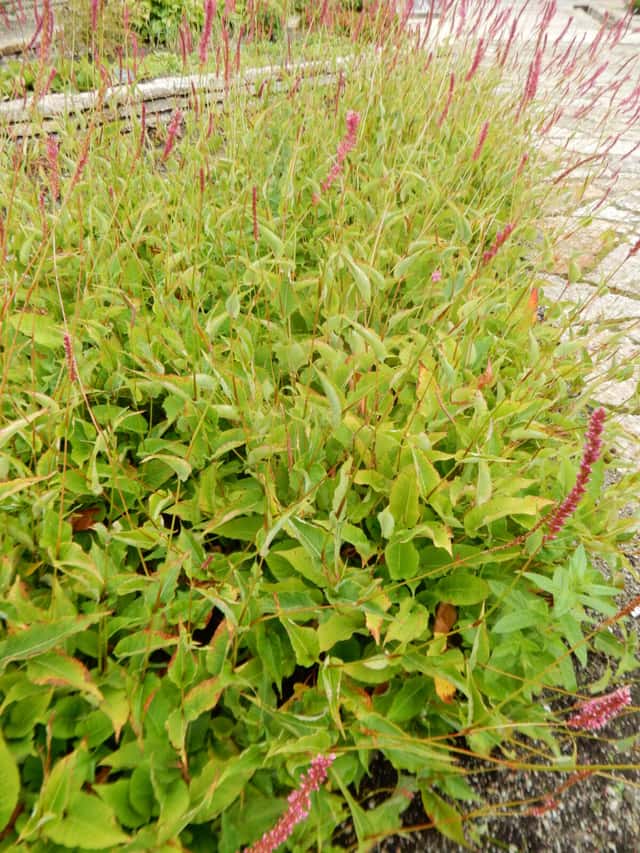
Bistorta amplexicaulis (syn. Persicaria amplexicaulis), commonly called red bistort or mountain fleece, is a clump-forming herbaceous perennial in the buckwheat family (Polygonaceae), native to the Himalayan region from Afghanistan to China. It forms bushy mounds of pointed, heart-shaped leaves that clasp the stem (the epithet 'amplexicaulis' means 'stem-clasping'), topped from midsummer to early autumn by narrow, bottlebrush-like spikes of tiny red, pink or white flowers that are highly attractive to bees and butterflies. Fully hardy and easy-going, it is a mainstay of cottage gardens, borders, pond margins and bog gardens.
How to Propagate Red Bistort?
Clump division
Divide every 3-4 years to keep clumps vigorous and prevent overcrowding; discard the old, woody centre of the clump.
- 1 Lift the clump in early spring before new growth appears, or in autumn
- 2 Use a spade or fork to split the rootball into sections, each with healthy roots and shoots
- 3 Replant divisions immediately at the same depth in prepared, moisture-retentive soil
- 4 Water thoroughly after planting and keep consistently moist until established
Materials needed:
Seed sowing
Plants often self-seed readily in the garden once established; seedlings may not come true to named cultivars.
- 1 Collect ripe seed in autumn or purchase fresh seed
- 2 Sow in a cold frame or seed tray with free-draining compost
- 3 Keep compost moist and protected from hard frost until germination
- 4 Transplant seedlings to their final position once large enough to handle
Materials needed:
How Big Does Red Bistort Grow?
TLDR: Red Bistort can reach up to 1.5m tall with Medium growth rate.
Max height
1.5m
Spread
1.0m
Growth rate
Medium
Foliage
Semi-evergreen
Warning: Toxic Plant
This plant can be toxic if ingested. Keep out of reach of:
Plant Uses
Ornamental
Great for decoration
Ground Cover
Soil coverage
Medicinal
Medicinal properties
Medicinal Uses
- Rhizome used in traditional Western Himalayan medicine for fever, joint pain and digestive complaints (folk use; not clinically established)
Is your plant showing symptoms?
Click on the symptom to discover possible causes:
What Diseases Commonly Affect Red Bistort?
TLDR: Red Bistort is susceptible to 4 known diseases. Monitor regularly for early detection.
Aphids
Aphids are small, soft-bodied, pear-shaped insects (1/16 to 1/8 inch long) that feed by sucking nutrient-rich sap from plants. They reproduce rapidly and can quickly weaken plants, causing distorted growth and transmitting plant viruses. Aphids come in various colors including green, black, red, yellow, brown, and gray. They secrete honeydew, a sticky substance that attracts ants and encourages sooty mold growth.
Slugs and Snails
Slugs and snails are mollusks that feed on plant tissue, causing irregular holes in leaves and damage to young seedlings. They are most active at night and in moist conditions, leaving characteristic silvery slime trails. These pests can quickly devastate gardens, especially during wet seasons.
Powdery Mildew
Powdery mildew is a common fungal disease caused by various fungi species including Erysiphe, Podosphaera, Oïdium, and Leveillula. It affects over 10,000 plant species worldwide. The disease thrives in warm, dry climates with high humidity and appears as a distinctive white powdery coating on plant surfaces.
Root Rot
Root rot is a serious fungal disease that affects the root system of plants, causing them to decay and die. It is primarily caused by overwatering, poor drainage, or soil-borne fungi such as Pythium, Phytophthora, Rhizoctonia, and Fusarium. The disease thrives in waterlogged conditions where roots are deprived of oxygen, making them susceptible to fungal infection.
Fun Facts
The species name "amplexicaulis" means "stem-clasping", describing how the leaf bases wrap around the stem.
Most plants once classified in the genus Persicaria, including this one, have been reclassified into the genus Bistorta.
Its narrow, bottlebrush-like flower spikes bloom continuously from midsummer well into autumn, among the longest flowering periods of any hardy perennial.
Frequently asked questions
Is red bistort toxic to pets?
How often should I water Bistorta amplexicaulis?
Does red bistort need full sun?
How do I propagate red bistort?
Compare with similar plants
| Attribute | Difficulty | Light | Watering | Pet Safe |
|---|---|---|---|---|
| Field Maple | Easy | Bright indirect | 14d | ✓ |
| Silver Birch | Easy | Direct sun | 14d | ✓ |
| Common Blanketflower | Easy | Direct sun | 10d | ✓ |
| Cushion Bush | Easy | Direct sun | 14d | ✓ |
Choose & Compare
Sources & References
- RHS - Bistorta amplexicaulis (red bistort)
- RHS - Persicaria amplexicaulis (red bistort)
- Missouri Botanical Garden Plant Finder - Bistorta amplexicaulis
- Plantura - Red bistort: location, care & varieties
- BBC Gardeners World Magazine - How to Grow Bistort
- Wikipedia - Bistorta amplexicaulis
- Aventura Botanica - Persicaria de jardin: cuidados





