Rosaceae
Red Robin Photinia (Photinia x fraseri)
Photinia x fraseri
Grow Red Robin Photinia in full sun for the best red foliage color and densest habit, though it tolerates light shade. Plant in fertile, well-drained soil and water deeply and regularly while it establishes; once established it tolerates short dry spells but resents waterlogged ground. Prune two to three times a year to encourage fresh red growth and maintain airflow through the canopy, which helps prevent leaf spot disease. Feed lightly in spring with a balanced fertilizer.
Every 7 days
Bright indirect
° - °C
% - %
Categories
What is Red Robin Photinia?
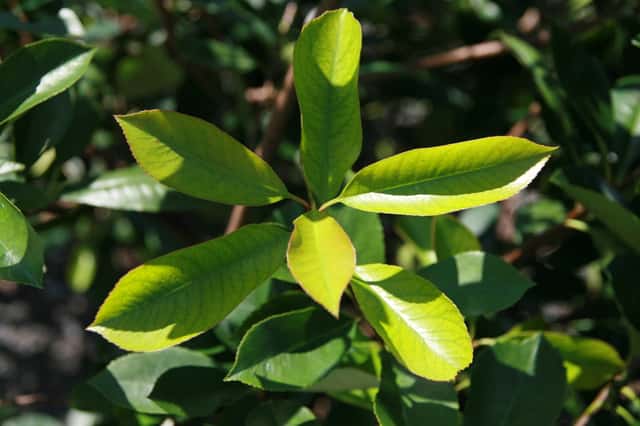
Red Robin Photinia (Photinia x fraseri) is a medium-care plant from the Rosaceae family. Photinia x fraseri, commonly known as Red Robin Photinia or Red Tip Photinia, is a vigorous evergreen shrub prized for its brilliant crimson-red new growth that matures to glossy dark green. A hybrid of Photinia glabra and Photinia serratifolia bred in the mid-20th century, it is one of the most wid...
Red Robin Photinia grows up to 4.6m, spread of 240cm, watering every 7 days. It is not suitable for indoor environments and not safe for pets.
Without precautions, ingestion can cause irritation in pets. Keep out of reach of cats and dogs.
How to Care for Red Robin Photinia?
TLDR: Red Robin Photinia needs Bright indirect, watering every 7 days, and temperatures between 15-30°C with 40-70% humidity.
How Often Should You Water Red Robin Photinia?
Water deeply once a week during the first growing season, then reduce frequency once established, letting the topsoil dry between waterings. Avoid wetting the foliage when watering, as damp leaves encourage fungal leaf spot.
How Much Light Does Red Robin Photinia Need?
Full sun brings out the most intense red new growth and keeps the shrub compact; it will also grow in partial shade but with less vivid color and a looser habit.
What Is the Best Soil for Red Robin Photinia?
Use fertile, well-drained soil enriched with organic matter. Photinia tolerates a wide range of soil types but performs poorly in soil that stays waterlogged.
What Pot Should You Use for Red Robin Photinia?
Best planted directly in the ground as a hedge or specimen shrub; if grown in a container while young, choose a large, well-draining pot with drainage holes and repot every 2-3 years.
What Is Red Robin Photinia and Where Does It Come From?
Photinia x fraseri, commonly known as Red Robin Photinia or Red Tip Photinia, is a vigorous evergreen shrub prized for its brilliant crimson-red new growth that matures to glossy dark green. A hybrid of Photinia glabra and Photinia serratifolia bred in the mid-20th century, it is one of the most widely planted hedging and screening shrubs in temperate gardens. In mid-spring it produces small clusters of white, faintly unpleasant-scented flowers, followed by red berry-like fruit that birds enjoy. Left untrimmed it can reach small tree proportions, but regular pruning keeps it as a dense, colorful hedge, with striking new foliage flushes appearing several times a year after each trim.
How to Propagate Red Robin Photinia?
Semi-ripe stem cuttings
Use a clear plastic bag or propagator lid to maintain humidity, and avoid direct sun which can scorch the cuttings.
- 1 Take 10-15 cm semi-ripe cuttings from healthy, non-flowering side shoots in mid to late summer.
- 2 Remove the lower leaves and dip the cut end in rooting hormone.
- 3 Insert the cutting into a pot with a well-draining mix of perlite and peat or coir.
- 4 Keep the pot in a warm, sheltered spot with indirect light and consistent moisture until roots form.
Materials needed:
Simple layering
Layering is more reliable than cuttings for beginners since the branch stays attached to the parent plant while rooting.
- 1 Choose a low, flexible branch near the base of the shrub.
- 2 Wound the underside of the branch lightly and bury that section in soil, leaving the tip exposed.
- 3 Pin the buried section down and keep the soil consistently moist.
- 4 Once roots have developed, cut the new plant away from the parent and transplant it.
Materials needed:
How Big Does Red Robin Photinia Grow?
TLDR: Red Robin Photinia can reach up to 4.6m tall with Fast growth rate.
Max height
4.6m
Spread
2.4m
Growth rate
Fast
Foliage
Evergreen
Warning: Toxic Plant
This plant can be toxic if ingested. Keep out of reach of:
Plant Uses
Ornamental
Great for decoration
Is your plant showing symptoms?
Click on the symptom to discover possible causes:
What Diseases Commonly Affect Red Robin Photinia?
TLDR: Red Robin Photinia is susceptible to 7 known diseases. Monitor regularly for early detection.
Leaf Spot
Leaf spot is a common fungal disease caused by various pathogens including Alternaria, Ascochyta, Colletotrichum, Septoria, and Venturia. It primarily affects leaves, causing discolored spots that can lead to premature leaf drop if left untreated.
Fire Blight
Fire blight is a highly destructive and contagious bacterial disease caused by Erwinia amylovora. It primarily affects plants in the Rosaceae family, including apple, pear, quince trees, and various ornamental plants. The disease can destroy an entire orchard in a single growing season under ideal conditions, with the bacterium moving approximately 11 inches per week in new growth.
Powdery Mildew
Powdery mildew is a common fungal disease caused by various fungi species including Erysiphe, Podosphaera, Oïdium, and Leveillula. It affects over 10,000 plant species worldwide. The disease thrives in warm, dry climates with high humidity and appears as a distinctive white powdery coating on plant surfaces.
Scale Insects
Scale insects are small sap-sucking pests that appear as brown, shell-like bumps on plant stems and leaves. There are over 25 species, divided into armored (hard) and unarmored (soft) scales. They feed by piercing plant tissue and extracting sap, which weakens the plant and can lead to yellowing, stunted growth, and even death if left untreated. They also excrete honeydew, which attracts ants and promotes sooty mold growth.
Fun Facts
The bright red new leaves are not flowers - they are young foliage that gradually turns green as it matures.
Photinia x fraseri is a hybrid between Photinia glabra and Photinia serratifolia, first bred in Alabama, USA in the 1940s.
It received the Royal Horticultural Society's Award of Garden Merit for its ornamental value.
Despite its popularity as a hedge, red tip photinia has fallen out of favor in many regions due to its high susceptibility to Entomosporium leaf spot.
Frequently asked questions
Is Red Robin Photinia toxic to pets?
Why do the leaves on my photinia have brown or reddish spots?
How often should I prune Red Robin Photinia?
How fast does Red Robin Photinia grow?
Compare with similar plants
| Attribute | Difficulty | Light | Watering | Pet Safe |
|---|---|---|---|---|
| Dark Fieldcap | Medium | Low light | 2d | ⚠️ |
| Azalea | Medium | Partial shade | 3d | ⚠️ |
| Muriel's Bamboo | Medium | Partial shade | 3d | ✓ |
| Bougainvillea | Medium | Direct sun | 7d | ⚠️ |




