Nyctaginaceae
Red Spiderling (Boerhavia diffusa)
Boerhavia diffusa
An undemanding, fast-growing weedy herb that thrives in full sun with well-drained soil and only occasional watering. Tolerates poor soil, drought, and neglect, making it an easy ground cover for warm climates.
Every 2 days
Bright indirect
20° - 30°C
% - %
Categories
What is Red Spiderling?
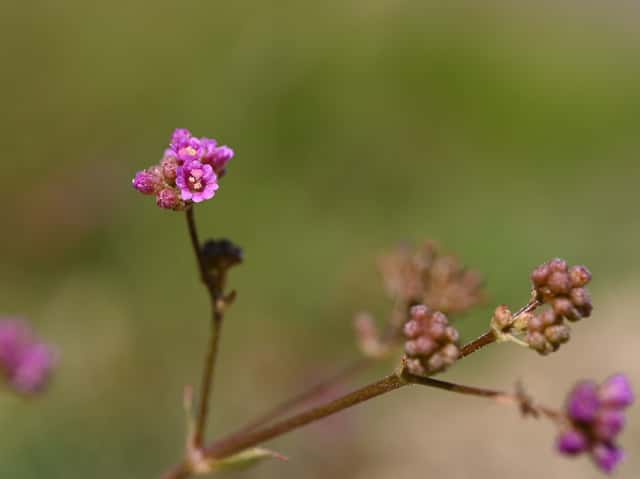
Red Spiderling (Boerhavia diffusa) is a easy-care plant from the Nyctaginaceae family. Boerhavia diffusa is a sprawling, pantropical perennial herb with prostrate to semi-erect, much-branched stems and fleshy taproots. Tiny pink flowers, only about 5mm across, appear in loose clusters almost year-round wherever moisture is adequate. Best known by its Sanskrit name "punarnava" ("that w...
Red Spiderling grows up to 1.0m, watering every 2 days, 20°C – 30°C. It is not suitable for indoor environments and safe for pets.
Unlike many tropical plants, Red Spiderling tolerates watering mistakes. Best for beginners. Unlike many popular species, Red Spiderling is safe to keep around pets.
How to Care for Red Spiderling?
TLDR: Red Spiderling needs Bright indirect, watering every 2 days, and temperatures between 20-30°C with 40-70% humidity.
How Often Should You Water Red Spiderling?
Water every 2-3 days, letting the top of the soil dry between waterings; it tolerates short dry spells far better than soggy roots.
How Much Light Does Red Spiderling Need?
Give it full sun to bright partial sun (4-6+ hours daily) for the healthiest growth and flowering.
What Is the Best Soil for Red Spiderling?
Plant in sandy, loamy, or well-drained garden soil with a near-neutral pH (6.5-7.5); avoid heavy, waterlogged ground.
What Pot Should You Use for Red Spiderling?
A wide, shallow terracotta pot or open ground bed with drainage holes suits its spreading, shallow-rooted habit.
What Is Red Spiderling and Where Does It Come From?
Boerhavia diffusa is a sprawling, pantropical perennial herb with prostrate to semi-erect, much-branched stems and fleshy taproots. Tiny pink flowers, only about 5mm across, appear in loose clusters almost year-round wherever moisture is adequate. Best known by its Sanskrit name "punarnava" ("that which renews"), it is one of the most widely used plants in Ayurvedic medicine, and its tender young leaves are cooked as a leafy green vegetable across India and the tropics.
How to Propagate Red Spiderling?
Seed sowing
Seeds germinate readily and plants can begin flowering in as little as 4 weeks; self-seeds freely once established.
- 1 Soak seeds overnight in water
- 2 Sow seeds shallowly in well-drained soil or sandy mix
- 3 Keep soil lightly moist until germination
- 4 Thin seedlings once true leaves appear
Materials needed:
Stem cutting
Keep the growing medium consistently moist but not soggy while roots establish.
- 1 Cut a 15cm (6 inch) healthy stem section
- 2 Optionally dip the cut end in rooting hormone
- 3 Insert into moist, well-drained soil or water
- 4 Keep in bright, indirect light until roots form
Materials needed:
How Big Does Red Spiderling Grow?
TLDR: Red Spiderling can reach up to 1.0m tall with Fast growth rate.
Max height
1.0m
Growth rate
Fast
Foliage
Evergreen
Plant Uses
Medicinal
Medicinal properties
Edible
Can be consumed
Ground Cover
Soil coverage
Medicinal Uses
- Traditional Ayurvedic diuretic for kidney and urinary health
- Used for liver support and jaundice
- Anti-inflammatory and analgesic folk remedy
- Root used for edema and fluid retention
Culinary Uses
- Young leaves cooked as a leafy green vegetable
- Leaves added to soups and stews
- Seeds occasionally cooked or mixed into cereal dishes
Is your plant showing symptoms?
Click on the symptom to discover possible causes:
What Diseases Commonly Affect Red Spiderling?
TLDR: Red Spiderling is susceptible to 10 known diseases. Monitor regularly for early detection.
Mosaic Virus
Mosaic virus is a group of plant viruses that cause mottled, patchy patterns on leaves and can affect a wide variety of plants. The virus creates characteristic yellow, white, and green mosaic patterns, often accompanied by stunted growth and deformed plant parts. This highly contagious disease spreads rapidly through insect vectors and contaminated tools.
Aphids
Aphids are small, soft-bodied, pear-shaped insects (1/16 to 1/8 inch long) that feed by sucking nutrient-rich sap from plants. They reproduce rapidly and can quickly weaken plants, causing distorted growth and transmitting plant viruses. Aphids come in various colors including green, black, red, yellow, brown, and gray. They secrete honeydew, a sticky substance that attracts ants and encourages sooty mold growth.
Spider Mites
Spider mites are tiny arachnids (less than 1/20 inch long) related to spiders and ticks that feed on plant sap. They thrive in hot, dry conditions and can cause significant damage to ornamental and vegetable plants. During severe infestations, crop losses can reach 14% or higher as these pests disrupt vital plant processes including photosynthesis, carbon dioxide absorption, and transpiration.
Thrips
Thrips are tiny cigar-shaped insects (1/25-inch long) that damage plants by sucking plant juices and scraping at fruits, flowers, and leaves. With over 6,000 species and rapid reproduction (lifecycle as short as 14 days), they can quickly infest plants and transmit viruses like tomato spotted wilt virus.
Meaning & Symbolism
Renewal and rejuvenation, reflected in its Sanskrit name "punarnava" - "that which renews the body".
Fun Facts
Plants can begin flowering just 4 weeks after germinating from seed.
Its sticky fruit clings to feathers and fur, helping migratory birds spread the species across continents.
Its Sanskrit name "punarnava" means "that which renews the body."
Frequently asked questions
Is Red Spiderling toxic to cats or dogs?
How often should I water Boerhavia diffusa?
Can I grow Red Spiderling indoors?
What is punarnava used for?
Compare with similar plants
| Attribute | Difficulty | Light | Watering | Pet Safe |
|---|---|---|---|---|
| Field Maple | Easy | Bright indirect | 14d | ✓ |
| Silver Birch | Easy | Direct sun | 14d | ✓ |
| Bougainvillea | Medium | Direct sun | 7d | ⚠️ |
| Common Blanketflower | Easy | Direct sun | 10d | ✓ |





