Araliaceae
Rice Paper Plant (Tetrapanax papyrifer) — Complete Care Guide
Tetrapanax papyrifer
An easy-care, fast-growing ornamental shrub best suited to outdoor gardens in zones 7–11. Provide full sun to partial shade, keep soil consistently moist but well-drained, and fertilize once a year in spring. Control spreading by removing unwanted suckers regularly.
Every 10 days
Bright indirect
-8° - 38°C
40% - 70%
Categories
What is Rice Paper Plant?
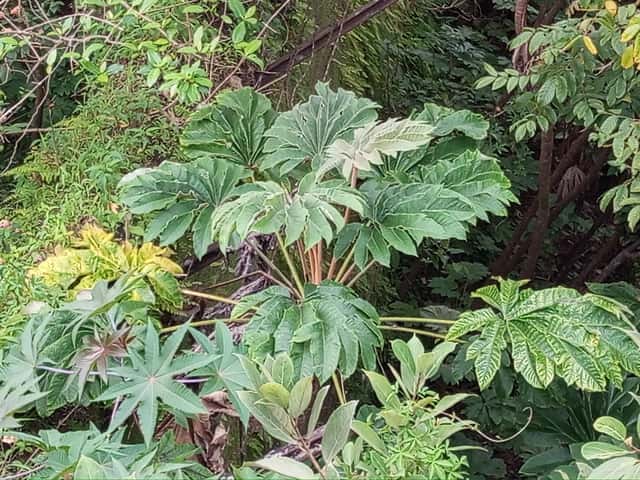
Rice Paper Plant (Tetrapanax papyrifer) is a easy-care plant from the Araliaceae family. Tetrapanax papyrifer is a bold, architectural shrub native to Taiwan and southern China, celebrated for its enormous, deeply lobed, grey-green leaves that can reach over 60 cm across. It grows vigorously via underground suckers, creating dramatic tropical-looking colonies in gardens. The plant has b...
Rice Paper Plant grows up to 5.0m, spread of 500cm, watering every 10 days, -8°C – 38°C, 40–70% humidity. It is not suitable for indoor environments and safe for pets.
Unlike many tropical plants, Rice Paper Plant tolerates watering mistakes. Best for beginners. Unlike many popular species, Rice Paper Plant is safe to keep around pets.
How to Care for Rice Paper Plant?
TLDR: Rice Paper Plant needs Bright indirect, watering every 10 days, and temperatures between -8-38°C with 40-70% humidity.
How Often Should You Water Rice Paper Plant?
Water deeply once every 7–14 days during the growing season. Allow the top few centimetres of soil to dry slightly between waterings. Reduce frequency significantly in winter. Avoid waterlogging — root rot is the main risk.
How Much Light Does Rice Paper Plant Need?
Thrives in full sun (6+ hours daily) but tolerates partial shade. In very hot climates, afternoon shade prevents leaf scorch. More sun encourages denser, faster growth.
What Is the Best Soil for Rice Paper Plant?
Plant in rich, moist, well-draining soil with a pH of 5.5–7.0. Amend with compost to improve fertility. Mulch generously to retain moisture and protect roots in winter.
What Pot Should You Use for Rice Paper Plant?
Large outdoor containers (60 cm+) or garden bed. Not suited to indoor pots due to vigorous growth habit.
Care Schedule
Fertilize
Every 365 days
What Is Rice Paper Plant and Where Does It Come From?
Tetrapanax papyrifer is a bold, architectural shrub native to Taiwan and southern China, celebrated for its enormous, deeply lobed, grey-green leaves that can reach over 60 cm across. It grows vigorously via underground suckers, creating dramatic tropical-looking colonies in gardens. The plant has been cultivated for centuries, with its pith traditionally used to make Chinese rice paper.
How to Propagate Rice Paper Plant?
Sucker Division
Divide suckers in early spring before new growth begins. Choose suckers at least 30 cm tall for best success.
- 1 Identify established suckers emerging from the soil around the parent plant
- 2 Dig carefully around the sucker to expose the connecting root
- 3 Sever the connecting root with a sharp, clean spade or knife
- 4 Transplant the sucker to a prepared hole with rich, moist soil
- 5 Water thoroughly and keep moist for the first few weeks
Materials needed:
Seed Propagation
Fresh seed germinates more reliably. Maintain consistent moisture throughout germination.
- 1 Sow seeds in autumn in a greenhouse or cold frame
- 2 Fill trays with moist seed-raising compost
- 3 Press seeds lightly onto the surface — do not cover deeply
- 4 Keep at 18–22°C until germination
- 5 Pot on when seedlings are large enough to handle
Materials needed:
How Big Does Rice Paper Plant Grow?
TLDR: Rice Paper Plant can reach up to 5.0m tall with Fast growth rate.
Max height
5.0m
Spread
5.0m
Growth rate
Fast
Foliage
Evergreen
Plant Uses
Ornamental
Great for decoration
Medicinal
Medicinal properties
Medicinal Uses
- Traditionally used in Chinese medicine as a diuretic, febrifuge, and mild sedative
Is your plant showing symptoms?
Click on the symptom to discover possible causes:
What Diseases Commonly Affect Rice Paper Plant?
TLDR: Rice Paper Plant is susceptible to 8 known diseases. Monitor regularly for early detection.
Root Rot
Root rot is a serious fungal disease that affects the root system of plants, causing them to decay and die. It is primarily caused by overwatering, poor drainage, or soil-borne fungi such as Pythium, Phytophthora, Rhizoctonia, and Fusarium. The disease thrives in waterlogged conditions where roots are deprived of oxygen, making them susceptible to fungal infection.
Leaf Spot
Leaf spot is a common fungal disease caused by various pathogens including Alternaria, Ascochyta, Colletotrichum, Septoria, and Venturia. It primarily affects leaves, causing discolored spots that can lead to premature leaf drop if left untreated.
Alternaria Leaf Spot
Alternaria leaf spot is a common fungal disease caused by Alternaria solani and Alternaria alternata that affects a wide range of plants including tomatoes, potatoes, brassicas, and ornamentals. The disease thrives in warm, humid conditions and can cause significant crop damage if left untreated. Spores overwinter on plant debris and can attach to seeds, making complete elimination difficult.
Anthracnose
Anthracnose is a fungal disease caused by fungi in the genus Colletotrichum that affects many plants, including vegetables, fruits, and trees. The disease thrives in cool, wet conditions, causing dark, sunken lesions on leaves, stems, flowers, and fruits.
Meaning & Symbolism
Symbol of resourcefulness and craftsmanship in East Asian culture, tied to centuries of traditional paper-making.
Fun Facts
The pith of Tetrapanax papyrifer stems has been used for centuries to make traditional Chinese rice paper for art and calligraphy
Its enormous leaves can exceed 60 cm in diameter — among the largest of any hardy garden shrub
Despite the name, this plant has nothing to do with rice; the name comes from the paper-making use of its stem pith
In ideal conditions it can grow more than 1 metre in a single season
Frequently asked questions
How often should I water my Rice Paper Plant?
Is the Rice Paper Plant invasive?
Is Tetrapanax papyrifer toxic to pets?
Can I grow a Rice Paper Plant in a container?
What hardiness zone is Tetrapanax papyrifer?
Compare with similar plants
| Attribute | Difficulty | Light | Watering | Pet Safe |
|---|---|---|---|---|
| Field Maple | Easy | Bright indirect | 14d | ✓ |
| Silver Birch | Easy | Direct sun | 14d | ✓ |
| Common Blanketflower | Easy | Direct sun | 10d | ✓ |
| Cushion Bush | Easy | Direct sun | 14d | ✓ |





