Physalacriaceae
ringless honey fungus: Edible Plant
Desarmillaria tabescens
As a fungus, it requires high humidity and decaying organic wood matter rather than traditional soil. It is difficult to cultivate intentionally and is often viewed as a forest pathogen.
Every 2 days
Low light
15° - 28°C
80% - 95%
Categories
What is ringless honey fungus?
ringless honey fungus (Desarmillaria tabescens) is a hard-care plant from the Physalacriaceae family. Desarmillaria tabescens, commonly known as the ringless honey fungus, is a species of mushroom in the family Physalacriaceae. It is a plant pathogen that causes Armillaria root rot. Unlike its close relatives, it lacks a ring (annulus) on the stem. It typically grows in dense clusters on wood, often...
ringless honey fungus grows up to 15cm, spread of 100cm, watering every 2 days, 15°C – 28°C, 80–95% humidity. It is not suitable for indoor environments and not safe for pets.
Unlike easy-care plants, ringless honey fungus demands constant attention to humidity and light. Not recommended for beginners. Without precautions, ingestion can cause irritation in pets. Keep out of reach of cats and dogs.
How to Care for ringless honey fungus?
TLDR: ringless honey fungus needs Low light, watering every 2 days, and temperatures between 15-28°C with 80-95% humidity.
How Often Should You Water ringless honey fungus?
Keep the substrate constantly moist but not waterlogged; mist daily to maintain high humidity.
How Much Light Does ringless honey fungus Need?
Requires very low light; fruiting bodies typically emerge in shaded forest environments.
What Is the Best Soil for ringless honey fungus?
Requires decaying hardwood roots or logs rather than soil.
What Pot Should You Use for ringless honey fungus?
Not suitable for pots; requires logs or buried wood substrate.
Care Schedule
Misting
Every 1 days
What Is ringless honey fungus and Where Does It Come From?
Desarmillaria tabescens, commonly known as the ringless honey fungus, is a species of mushroom in the family Physalacriaceae. It is a plant pathogen that causes Armillaria root rot. Unlike its close relatives, it lacks a ring (annulus) on the stem. It typically grows in dense clusters on wood, often appearing to grow from the soil but actually attached to buried roots or stumps of deciduous trees.
How to Propagate ringless honey fungus?
Spore Dispersal
- Ensure the wood is from a host species like Oak.
- Maintain extremely high humidity.
- 1 Spore Collection
Collect spores from a mature cap onto a spore print.
- 2 Inoculation
Introduce spores or liquid culture into a sterilized wood substrate or freshly cut logs.
- 3 Incubation
Keep the wood in a dark, humid environment until the mycelium colonizes the wood.
Materials needed:
How Big Does ringless honey fungus Grow?
TLDR: ringless honey fungus can reach up to 15cm tall with Fast growth rate.
Max height
15cm
Spread
1.0m
Growth rate
Fast
Warning: Toxic Plant
This plant can be toxic if ingested. Keep out of reach of:
Plant Uses
Edible
Can be consumed
Medicinal
Medicinal properties
Medicinal Uses
- Source of bioactive polysaccharides
- Studied for antimicrobial properties
Culinary Uses
- Edible after thorough cooking
- Used in soups and stews
Is your plant showing symptoms?
Click on the symptom to discover possible causes:
Meaning & Symbolism
Represents the hidden connectivity of forest ecosystems and the cycle of decay and rebirth.
Compare with similar plants
| Attribute | Difficulty | Light | Watering | Pet Safe |
|---|---|---|---|---|
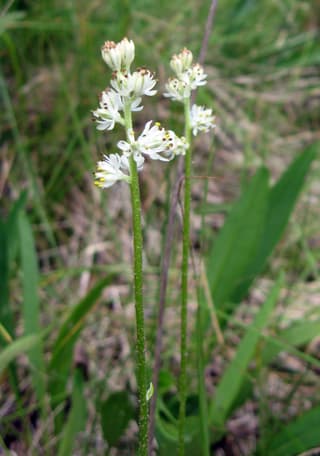
| Sticky false asphodel | Hard | Bright indirect | 1d | ✓ |
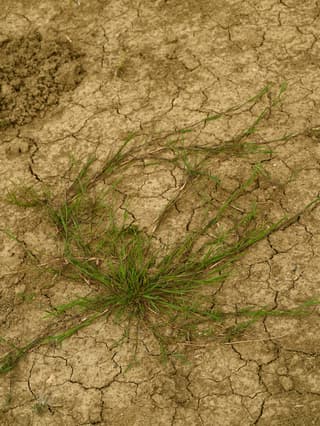
| Creeping bentgrass | Hard | Direct sun | 3d | ✓ |
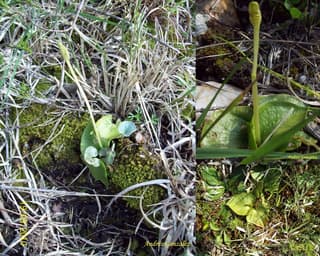
| Bulbous Adder's-tongue | Hard | Partial shade | 4d | ✓ |
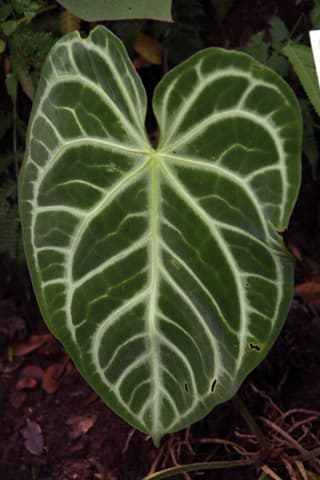
| Crystal Anthurium | Hard | Partial shade | 7d | ⚠️ |