Rosaceae
European Rowan: Edible Plant
Sorbus aucuparia
The European Rowan is an undemanding and frost-hardy tree that thrives in sunny or partially shaded locations in humus-rich, well-draining soil. Young saplings require regular watering during the establishment phase, but once rooted, the tree mostly manages with natural rainfall. Special fertilization is generally not needed – a light spring fertilization is sufficient.
Every 7 days
Bright indirect
-34° - 28°C
40% - 70%
Categories
What is European Rowan?
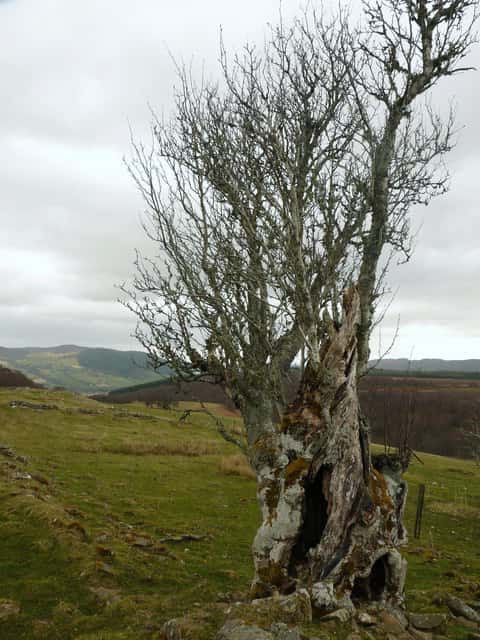
European Rowan (Sorbus aucuparia) is a easy-care plant from the Rosaceae family. The European Rowan is a hardy deciduous tree commonly found in Europe and Finland, growing 5–15 meters tall. In May, it blooms with fragrant, yellowish-white flower clusters, and in autumn, the tree is adorned with orange-red berry clusters, which are an important food source for birds. The Rowan is...
European Rowan grows up to 15.0m, spread of 700cm, watering every 7 days, -34°C – 28°C, 40–70% humidity. It is not suitable for indoor environments and safe for pets.
Unlike many tropical plants, European Rowan tolerates watering mistakes. Best for beginners. Unlike many popular species, European Rowan is safe to keep around pets.
How to Care for European Rowan?
TLDR: European Rowan needs Bright indirect, watering every 7 days, and temperatures between -34-28°C with 40-70% humidity.
How Often Should You Water European Rowan?
Water young saplings generously but infrequently, about once a week, allowing the root system to dry out between waterings. Avoid standing water, as the rowan does not tolerate constantly wet soil.
How Much Light Does European Rowan Need?
Choose the sunniest and most open growing site possible – full sun produces the most abundant flowering and berry yield, but the tree also tolerates partial shade.
What Is the Best Soil for European Rowan?
The European Rowan is not demanding regarding soil and grows in both barren and rich soils, as long as the soil is well-draining. Heavy clay soils should be improved by adding humus.
What Pot Should You Use for European Rowan?
The European Rowan grows best when planted directly in open ground, as it develops into a large tree. For sapling cultivation, a spacious, well-draining pot is suitable, from which the tree is moved to its permanent location after a few years.
Care Schedule
Fertilize
Every 365 days
What Is European Rowan and Where Does It Come From?
The European Rowan is a hardy deciduous tree commonly found in Europe and Finland, growing 5–15 meters tall. In May, it blooms with fragrant, yellowish-white flower clusters, and in autumn, the tree is adorned with orange-red berry clusters, which are an important food source for birds. The Rowan is a sacred tree to ancient Finns and the regional plant of North Savo, tolerating both barren and richer growing sites exceptionally well.
How to Propagate European Rowan?
Seed Propagation and Stratification
Fresh, ripe berries germinate best. Cold stratification mimics natural winter conditions and significantly improves germination.
- 1 Collect ripe, dark red berries in autumn and remove the seeds from the pulp.
- 2 Sow the seeds immediately fresh in a cold frame or store them in moist sand.
- 3 If seeds are not sown immediately, stratify for 2 weeks in warm conditions (approx. +20°C) and then for 14–16 weeks in cold conditions (approx. +2–4°C).
- 4 Sow stratified seeds in spring into nutrient-rich, well-draining soil.
- 5 Keep the growing medium consistently moist during germination and protect the seedlings during their first winter.
Materials needed:
How Big Does European Rowan Grow?
TLDR: European Rowan can reach up to 15.0m tall with Medium growth rate.
Max height
15.0m
Spread
7.0m
Growth rate
Medium
Foliage
Deciduous
Warning: Toxic Plant
This plant can be toxic if ingested. Keep out of reach of:
Plant Uses
Ornamental
Great for decoration
Edible
Can be consumed
Medicinal
Medicinal properties
Medicinal Uses
- Berries have traditionally been used to prevent scurvy due to their high vitamin C content.
- Dried berries have been used in folk medicine to alleviate diarrhea.
- An extract made from berries and flowers has been used as a mild laxative and diuretic.
Culinary Uses
- After the first frosts, the sweetened berries are used to make jam, jelly, juice, and wine.
- Tea can be made from the flowers and leaves.
- Roasted seeds have historically been used as a coffee substitute.
Is your plant showing symptoms?
Click on the symptom to discover possible causes:
What Diseases Commonly Affect European Rowan?
TLDR: European Rowan is susceptible to 6 known diseases. Monitor regularly for early detection.
Fire Blight
Fire blight is a highly destructive and contagious bacterial disease caused by Erwinia amylovora. It primarily affects plants in the Rosaceae family, including apple, pear, quince trees, and various ornamental plants. The disease can destroy an entire orchard in a single growing season under ideal conditions, with the bacterium moving approximately 11 inches per week in new growth.
Rust
Rust is a common fungal disease caused by fungi in the order Pucciniales that affects a wide variety of plants. The disease gets its name from the characteristic orange, yellow, or reddish-brown pustules that appear on leaves, resembling metal rust. This obligate fungal parasite requires living plants to survive and can cause significant economic losses in agricultural crops.
Powdery Mildew
Powdery mildew is a common fungal disease caused by various fungi species including Erysiphe, Podosphaera, Oïdium, and Leveillula. It affects over 10,000 plant species worldwide. The disease thrives in warm, dry climates with high humidity and appears as a distinctive white powdery coating on plant surfaces.
Canker
Canker is a disease caused by various fungi and bacteria that create necrotic, sunken areas on bark of branches, stems, and trunks. Pathogens enter through wounds and natural openings, especially when plants are stressed. Canker can gradually weaken or kill branches by disrupting water and nutrient flow.
Meaning & Symbolism
The Rowan is a sacred tree to ancient Finns, believed to protect against evil spirits and witchcraft – branches were hung above doors and cattle sheds for protection. It is also the regional plant of North Savo and appears in Norse mythology as Thor's protective tree.
Compare with similar plants
| Attribute | Difficulty | Light | Watering | Pet Safe |
|---|---|---|---|---|
| Field Maple | Easy | Bright indirect | 14d | ✓ |
| Silver Birch | Easy | Direct sun | 14d | ✓ |
| Common Blanketflower | Easy | Direct sun | 10d | ✓ |
| Cushion Bush | Easy | Direct sun | 14d | ✓ |
Choose & Compare
Sources & References
- European Mountain-Ash (Sorbus Aucuparia) Care Guide - Plantiary
- Sorbus aucuparia | BBC Gardeners World Magazine
- Sorbus aucuparia - PFAF Plant Database
- Sorbus aucuparia - Wikipedia
- Sorbus aucuparia (European Mountain Ash) - NC State Extension Gardener Plant Toolbox
- Mountain Ash (Sorbus spp.) - Fire Blight - PNW Plant Disease Management Handbook
- Pihlaja (Sorbus aucuparia) - Luonnonmukainen itsehoito





