Araceae
Alocasia Melo (Rugose Alocasia) Care Guide
Alocasia melo
Bright indirect light, water only when the topsoil dries, and humidity above 65% are the keys to keeping Alocasia melo happy. Its thick, wrinkled leaves are tougher than most aroids, but the corm beneath the soil rots quickly if overwatered or kept in cold, soggy mix.
Every 6 days
Partial shade
18° - 29°C
65% - 85%
Categories
What is Rugose Alocasia?
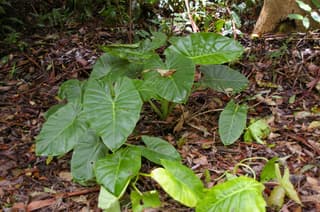
Rugose Alocasia (Alocasia melo) is a hard-care plant from the Araceae family. Alocasia melo, commonly called the rugose alocasia, is a compact jewel Alocasia endemic to the ultramafic slopes of Sabah, Malaysian Borneo. It forms a low rosette of thick, nearly circular leaves with a deeply bumpy, wrinkled surface that resembles the rind of a cantaloupe melon, giving the species...
Rugose Alocasia grows up to 45cm, spread of 40cm, watering every 6 days, 18°C – 29°C, 65–85% humidity. It is suitable for indoor environments and not safe for pets.
Unlike easy-care plants, Rugose Alocasia demands constant attention to humidity and light. Not recommended for beginners. Without precautions, ingestion can cause irritation in pets. Keep out of reach of cats and dogs. Without adequate drainage, root rot can develop within 12 days.
How to Care for Rugose Alocasia?
TLDR: Rugose Alocasia needs Partial shade, watering every 6 days, and temperatures between 18-29°C with 65-85% humidity.
How Often Should You Water Rugose Alocasia?
Check the top 4-5 cm of soil before watering; only water once it is dry. Water thoroughly until it drains from the pot, then never let the plant sit in standing water.
How Much Light Does Rugose Alocasia Need?
Give it bright, indirect light such as a few feet back from an east- or south-facing window. Direct sun scorches the textured leaves; too little light causes leggy growth and pale color.
What Is the Best Soil for Rugose Alocasia?
Pot in a chunky, well-draining aroid mix of orchid bark, perlite, and charcoal. Avoid dense, peat-heavy soil that holds too much moisture around the corm.
What Pot Should You Use for Rugose Alocasia?
A terracotta or other porous pot with ample drainage holes helps excess moisture evaporate and protects the corm from rot.
Care Schedule
Fertilize
Every 28 days
Misting
Every 3 days
Rotate
Every 14 days
Repot
Every 730 days
What Is Rugose Alocasia and Where Does It Come From?
Alocasia melo, commonly called the rugose alocasia, is a compact jewel Alocasia endemic to the ultramafic slopes of Sabah, Malaysian Borneo. It forms a low rosette of thick, nearly circular leaves with a deeply bumpy, wrinkled surface that resembles the rind of a cantaloupe melon, giving the species its name. The upper leaf surface is a deep bluish-green while the underside is pale and smooth. Unlike many thin-leaved aroids, its stiff, rugged foliage resists tearing and physical damage, but the short, fleshy corm beneath the soil is highly sensitive to overwatering and cold, soggy conditions. Grown as a houseplant for its sculptural texture, it demands bright indirect light, high humidity, and a chunky, fast-draining aroid mix to thrive.
How to Propagate Rugose Alocasia?
Corm Division
Never force a corm apart if it resists; wait for it to loosen naturally at repotting. High humidity (70%+) after separation greatly improves success.
- 1 Unpot the plant and gently remove excess soil from the root ball
- 2 Locate offset corms growing at the base of the mother plant
- 3 Use a clean, sharp knife to separate each corm along with a few roots attached
- 4 Let the cut surfaces callous over for a few hours in a dry, shaded spot
- 5 Plant each corm in a small pot with chunky, well-draining aroid mix
- 6 Keep humidity high and soil lightly moist until new growth appears
Materials needed:
Offset (Pup) Propagation
Pups already rooted to the mother plant transplant more reliably than isolated corms.
- 1 Look for small plantlets (pups) emerging from the base of the mother plant
- 2 Wait until the pup has at least two to three of its own leaves
- 3 Carefully separate the pup with its own root system intact
- 4 Pot the pup individually in a small container with fresh aroid mix
- 5 Provide bright indirect light and stable warmth around 24-27C
Materials needed:
How Big Does Rugose Alocasia Grow?
TLDR: Rugose Alocasia can reach up to 45cm tall with Slow growth rate.
Max height
45cm
Spread
40cm
Growth rate
Slow
Foliage
Evergreen
Warning: Toxic Plant
This plant can be toxic if ingested. Keep out of reach of:
Plant Uses
Ornamental
Great for decoration
Is your plant showing symptoms?
Click on the symptom to discover possible causes:
What Diseases Commonly Affect Rugose Alocasia?
TLDR: Rugose Alocasia is susceptible to 9 known diseases. Monitor regularly for early detection.
Spider Mites
Spider mites are tiny arachnids (less than 1/20 inch long) related to spiders and ticks that feed on plant sap. They thrive in hot, dry conditions and can cause significant damage to ornamental and vegetable plants. During severe infestations, crop losses can reach 14% or higher as these pests disrupt vital plant processes including photosynthesis, carbon dioxide absorption, and transpiration.
Mealybugs
Mealybugs are small, soft-bodied insects covered with a white, waxy, cottony material. They are common pests of houseplants and outdoor plants in mild climates. These sap-sucking insects feed on plant tissue, causing damage, stunted growth, and can lead to plant death if left untreated. They produce sticky honeydew which attracts sooty mold.
Scale Insects
Scale insects are small sap-sucking pests that appear as brown, shell-like bumps on plant stems and leaves. There are over 25 species, divided into armored (hard) and unarmored (soft) scales. They feed by piercing plant tissue and extracting sap, which weakens the plant and can lead to yellowing, stunted growth, and even death if left untreated. They also excrete honeydew, which attracts ants and promotes sooty mold growth.
Thrips
Thrips are tiny cigar-shaped insects (1/25-inch long) that damage plants by sucking plant juices and scraping at fruits, flowers, and leaves. With over 6,000 species and rapid reproduction (lifecycle as short as 14 days), they can quickly infest plants and transmit viruses like tomato spotted wilt virus.
Meaning & Symbolism
Like many aroids, Alocasia species are often associated with protection, wealth, and resilience in home decor traditions, prized for their bold architectural foliage.
Fun Facts
The species name 'melo' refers to its leaf texture, which is bumpy and wrinkled like the skin of a cantaloupe melon.
Alocasia melo is endemic to Sabah, Malaysian Borneo, where it grows on unusual ultramafic (mineral-rich) soils.
Its thick, rugged leaves are more resistant to physical damage than most thin-leaved Alocasias, but the corm underneath is surprisingly rot-prone.
Frequently asked questions
How often should I water my Alocasia melo?
Is Alocasia melo toxic to pets?
Why are the leaves curling or crisping at the edges?
How do I stop spider mites from attacking my plant?
Compare with similar plants
| Attribute | Difficulty | Light | Watering | Pet Safe |
|---|---|---|---|---|
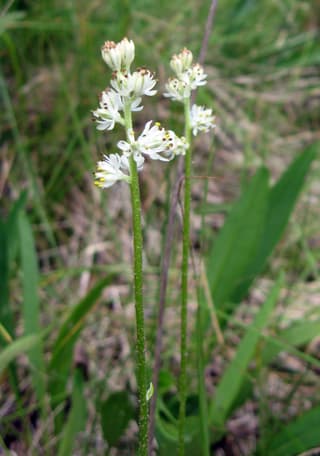
| Sticky false asphodel | Hard | Bright indirect | 1d | ✓ |
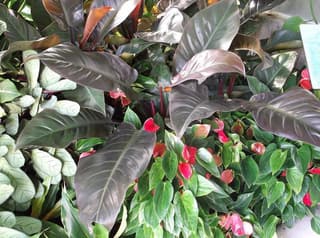
| Congo Philodendron | Medium | Partial shade | 10d | ⚠️ |
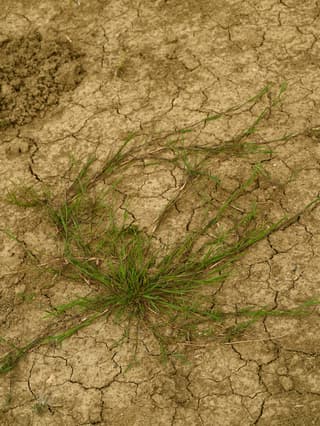
| Creeping bentgrass | Hard | Direct sun | 3d | ✓ |
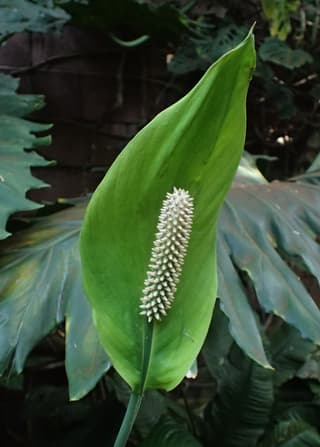
| Peace Lily | Easy | Low light | 7d | ⚠️ |