Malvaceae
Russian Hollyhock: Edible Plant
Alcea rugosa
Extremely hardy and easy to grow. Prefers full sun and well-draining, fertile soil. Young plants benefit from consistent moisture, while mature plants are drought-tolerant once established. Provide good air circulation to prevent fungal diseases. Height 4-6 feet with flowers; spread 18-24 inches.
Every 7-10 days
Bright indirect
-15° - °C
% - %
Categories
What is Russian Hollyhock?
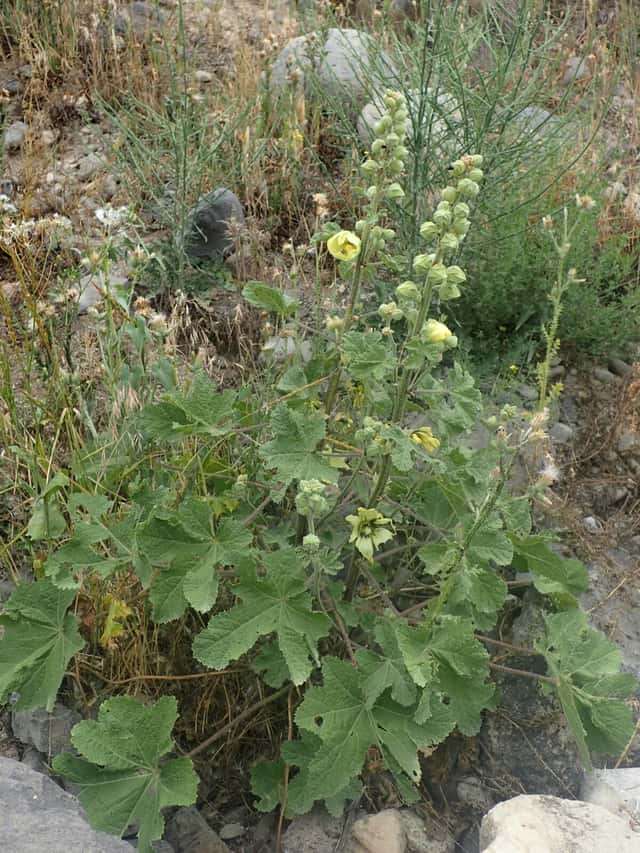
Russian Hollyhock (Alcea rugosa) is a medium-care plant from the Malvaceae family. A vigorous biennial or short-lived perennial native to Ukraine, Crimea, southern European Russia, and the Caucasus. Alcea rugosa is prized for its superior resistance to hollyhock rust compared to common hollyhock varieties. The plant produces tall, sturdy flower spikes with outward-facing, funnel-s...
Russian Hollyhock grows up to 1.8m, spread of 60cm. It is not suitable for indoor environments and safe for pets.
Unlike many popular species, Russian Hollyhock is safe to keep around pets.
How to Care for Russian Hollyhock?
TLDR: Russian Hollyhock needs Bright indirect, watering every 7 days, and temperatures between -15-30°C with 40-70% humidity.
How Often Should You Water Russian Hollyhock?
Keep young plants consistently moist. Mature plants are drought-tolerant but appreciate water during extended hot, dry periods. Avoid overhead watering to reduce fungal disease risk.
How Much Light Does Russian Hollyhock Need?
Plant in full sun for best flower production, requiring at least 6 hours of direct sunlight daily. While tolerant of light shade, flowering may be reduced.
What Is the Best Soil for Russian Hollyhock?
Tolerates a wide range of soil conditions but requires well-draining soil. Does not tolerate wet winter soils. Amend with compost for optimal vigor.
What Pot Should You Use for Russian Hollyhock?
Not suitable for container growing; best grown in garden beds or borders.
What Is Russian Hollyhock and Where Does It Come From?
A vigorous biennial or short-lived perennial native to Ukraine, Crimea, southern European Russia, and the Caucasus. Alcea rugosa is prized for its superior resistance to hollyhock rust compared to common hollyhock varieties. The plant produces tall, sturdy flower spikes with outward-facing, funnel-shaped, pale yellow flowers adorned with conspicuous staminal columns. Flowers bloom from bottom to top throughout late spring and summer, attracting hummingbirds and bees.
How Big Does Russian Hollyhock Grow?
TLDR: Russian Hollyhock can reach up to 1.8m tall with Fast growth rate.
Max height
1.8m
Spread
60cm
Growth rate
Fast
Foliage
Deciduous
Plant Uses
Ornamental
Great for decoration
Edible
Can be consumed
Medicinal Uses
- Flowers used to make herbal tea
- Traditional medicinal uses documented in folk medicine
Culinary Uses
- Edible flowers with mild, nutty flavor for salads and garnish
- Young leaves can be cooked and eaten like spinach
Is your plant showing symptoms?
Click on the symptom to discover possible causes:
What Diseases Commonly Affect Russian Hollyhock?
TLDR: Russian Hollyhock is susceptible to 4 known diseases. Monitor regularly for early detection.
Rust
Rust is a common fungal disease caused by fungi in the order Pucciniales that affects a wide variety of plants. The disease gets its name from the characteristic orange, yellow, or reddish-brown pustules that appear on leaves, resembling metal rust. This obligate fungal parasite requires living plants to survive and can cause significant economic losses in agricultural crops.
Powdery Mildew
Powdery mildew is a common fungal disease caused by various fungi species including Erysiphe, Podosphaera, Oïdium, and Leveillula. It affects over 10,000 plant species worldwide. The disease thrives in warm, dry climates with high humidity and appears as a distinctive white powdery coating on plant surfaces.
Anthracnose
Anthracnose is a fungal disease caused by fungi in the genus Colletotrichum that affects many plants, including vegetables, fruits, and trees. The disease thrives in cool, wet conditions, causing dark, sunken lesions on leaves, stems, flowers, and fruits.
Leaf Spot
Leaf spot is a common fungal disease caused by various pathogens including Alternaria, Ascochyta, Colletotrichum, Septoria, and Venturia. It primarily affects leaves, causing discolored spots that can lead to premature leaf drop if left untreated.
Compare with similar plants
| Attribute | Difficulty | Light | Watering | Pet Safe |
|---|---|---|---|---|
| Dark Fieldcap | Medium | Low light | 2d | ⚠️ |
| Azalea | Medium | Partial shade | 3d | ⚠️ |
| Muriel's Bamboo | Medium | Partial shade | 3d | ✓ |
| Bougainvillea | Medium | Direct sun | 7d | ⚠️ |




