Poaceae
Ryegrasses (genus Lolium)
Lolium
A cool-season grass that comes up fast from seed. It wants sun, fertile moist soil and frequent mowing. It struggles in hot, humid summers, when it is more prone to fungal disease.
Every 4 days
Bright indirect
-20° - 32°C
% - %
Categories
What is Ryegrasses?
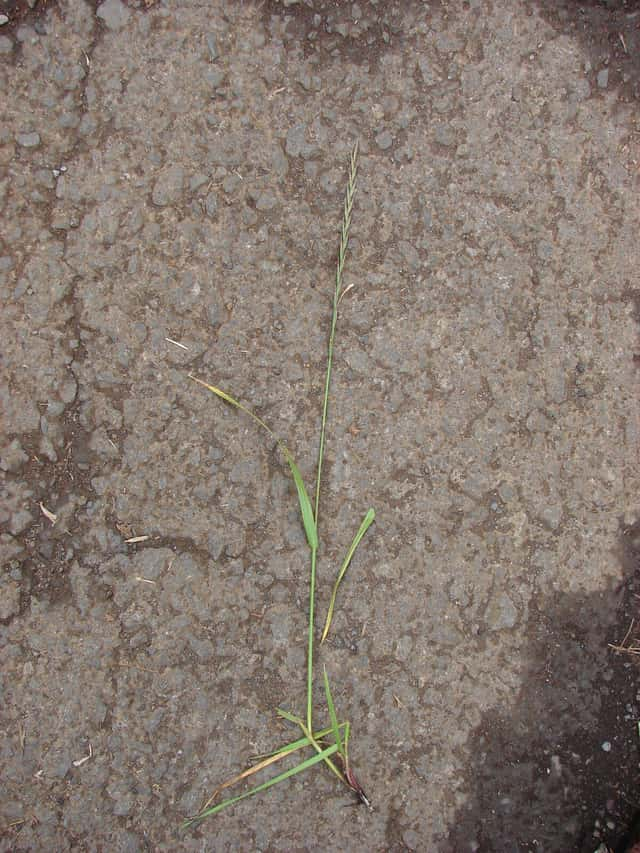
Ryegrasses (Lolium) is a easy-care plant from the Poaceae family. Lolium is the ryegrass genus, tufted grasses in the family Poaceae. They are native to Europe, Asia and North Africa and are now grown and naturalised around the world. The leaves are narrow, dark green and glossy underneath. In spring a flat spike appears, with the spikelets set edge-on along the s...
Ryegrasses grows up to 1.0m, watering every 4 days, -20°C – 32°C. It is not suitable for indoor environments and safe for pets.
Unlike many tropical plants, Ryegrasses tolerates watering mistakes. Best for beginners. Unlike many popular species, Ryegrasses is safe to keep around pets.
How to Care for Ryegrasses?
TLDR: Ryegrasses needs Bright indirect, watering every 4 days, and temperatures between -20-32°C with 40-70% humidity.
How Often Should You Water Ryegrasses?
Keep the soil moist until the seed sprouts. After that, water every 3 or 4 days in dry weather, giving a deep soak each time. Avoid evening watering, as leaves that stay wet overnight invite fungus.
How Much Light Does Ryegrasses Need?
Full sun. It copes with a little shade, but the lawn thins out in all-day shade.
What Is the Best Soil for Ryegrasses?
Fertile soil that holds moisture without waterlogging, pH 5.5 to 7.5.
Care Schedule
Fertilize
Every 60 days
What Is Ryegrasses and Where Does It Come From?
Lolium is the ryegrass genus, tufted grasses in the family Poaceae. They are native to Europe, Asia and North Africa and are now grown and naturalised around the world. The leaves are narrow, dark green and glossy underneath. In spring a flat spike appears, with the spikelets set edge-on along the stem, reaching about 1 metre. The two most planted species are perennial ryegrass (Lolium perenne), widely used in lawns and sports fields, and Italian or annual ryegrass (Lolium multiflorum), grown for winter grazing, silage and as a cover crop. Darnel, Lolium temulentum, the old weed of wheat fields, belongs here too. Ryegrass is not the same as rye, which is a grain crop.
How to Propagate Ryegrasses?
Seed
Sow in autumn or early spring while the weather is cool. It is one of the fastest grasses to sprout, which is why it goes into seed mixes for patching bare spots.
- 1 Loosen and level the soil, removing stones and weeds
- 2 Spread the seed evenly in two passes at right angles
- 3 Rake in lightly and firm the surface
- 4 Water lightly every day until the grass comes up
- 5 Mow for the first time once it passes 5 to 7 cm
Materials needed:
How Big Does Ryegrasses Grow?
TLDR: Ryegrasses can reach up to 1.0m tall with Fast growth rate.
Max height
1.0m
Growth rate
Fast
Foliage
Evergreen
Plant Uses
Ornamental
Great for decoration
Ground Cover
Soil coverage
Is your plant showing symptoms?
Click on the symptom to discover possible causes:
What Diseases Commonly Affect Ryegrasses?
TLDR: Ryegrasses is susceptible to 6 known diseases. Monitor regularly for early detection.
Rust
Rust is a common fungal disease caused by fungi in the order Pucciniales that affects a wide variety of plants. The disease gets its name from the characteristic orange, yellow, or reddish-brown pustules that appear on leaves, resembling metal rust. This obligate fungal parasite requires living plants to survive and can cause significant economic losses in agricultural crops.
Leaf Spot
Leaf spot is a common fungal disease caused by various pathogens including Alternaria, Ascochyta, Colletotrichum, Septoria, and Venturia. It primarily affects leaves, causing discolored spots that can lead to premature leaf drop if left untreated.
Pythium Root Rot
Pythium root rot is a serious fungal disease caused by various Pythium species including P. aphanidermatum, P. ultimum, and P. irregulare. These water molds are present in practically all cultivated soils and attack plant roots under wet conditions, causing rapid wet rot that can extend into the stem. The disease is favored by poor drainage, overwatering, and specific temperatures depending on the species.
Brown patch
Brown patch is a common fungal disease caused by Rhizoctonia solani. It thrives in hot, humid weather and creates circular patches of dead, brown grass or foliage. It often leaves a dark ring around the edges of the affected area.
Fun Facts
Darnel, Lolium temulentum, is the tares of the biblical parable of the wheat and the tares, because it looks almost identical to wheat until it ripens.
Lolium is so close to the fescues that tall fescue is now placed in the same genus.
Ryegrass and rye are different plants; rye is Secale cereale.
Frequently asked questions
Is ryegrass good for lawns?
How often should I mow ryegrass?
Why does my ryegrass go brown in summer?
Is ryegrass toxic to dogs or cats?
Compare with similar plants
| Attribute | Difficulty | Light | Watering | Pet Safe |
|---|---|---|---|---|
| Field Maple | Easy | Bright indirect | 14d | ✓ |
| Muriel's Bamboo | Medium | Partial shade | 3d | ✓ |
| Iberian Houseleek | Easy | Direct sun | 14d | ✓ |
| Silver Birch | Easy | Direct sun | 14d | ✓ |





