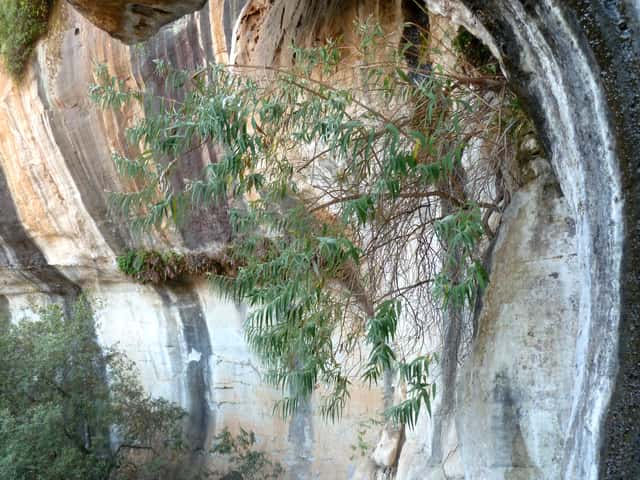
Scrophulariaceae
Sagewood: The Complete Guide to Buddleja salviifolia
Buddleja salviifolia
Hardy and easy to maintain once established. Prefers full sun and well-drained soil. Tolerates drought and moderate frost when mature. Prune after flowering to maintain a compact shape. Fertilise in spring with a balanced fertiliser.
Every 14 days
Direct sun
-10° - 35°C
30% - 60%
Categories
What is Sagewood?
Sagewood (Buddleja salviifolia) is a medium-care plant from the Scrophulariaceae family. Buddleja salviifolia, commonly known as Sagewood or South African Sagewood, is a fast-growing semi-evergreen shrub native to southern and eastern Africa. In spring it produces narrow panicles of small, highly fragrant flowers ranging from white and cream to lilac and pale mauve, with a distinctive o...
Sagewood grows up to 8.0m, spread of 400cm, watering every 14 days, -10°C – 35°C, 30–60% humidity. It is not suitable for indoor environments and safe for pets.
Unlike many popular species, Sagewood is safe to keep around pets.
How to Care for Sagewood?
TLDR: Sagewood needs Direct sun, watering every 14 days, and temperatures between -10-35°C with 30-60% humidity.
How Often Should You Water Sagewood?
Water deeply but infrequently, every 10 to 14 days. Allow the soil to dry out almost completely between waterings. Avoid waterlogging as it causes root rot. Once established, the plant tolerates extended dry periods without intervention.
How Much Light Does Sagewood Need?
Requires full sun — at least 6 to 8 hours of direct sunlight per day. Position in a south- or west-facing location. Shade will significantly reduce flowering and vigour.
What Is the Best Soil for Sagewood?
Use well-drained soil with a pH of 5.5 to 8.0. Tolerates sandy, clay and chalky soils. Adding compost improves fertility and performance. Excessive soil moisture is the main risk factor to avoid.
What Pot Should You Use for Sagewood?
Terracotta or clay pot with generous drainage holes for container growing. Best suited for direct planting in the garden given its large mature size.
Care Schedule
Fertilize
Every 90 days
What Is Sagewood and Where Does It Come From?
Buddleja salviifolia, commonly known as Sagewood or South African Sagewood, is a fast-growing semi-evergreen shrub native to southern and eastern Africa. In spring it produces narrow panicles of small, highly fragrant flowers ranging from white and cream to lilac and pale mauve, with a distinctive orange throat. Highly valued for attracting butterflies, bees and birds, it is an excellent choice for wildlife gardens. Its hard, heavy wood has traditionally been used in Africa for assegais and fishing rods.
How to Propagate Sagewood?
Semi-ripe stem cutting
Use clean, sharp tools to avoid disease transmission. Keep the growing medium moist but never waterlogged. Protect cuttings from extreme temperatures while rooting.
- 1 Take a semi-ripe cutting of 10-15 cm in summer
- 2 Remove lower leaves, keeping 2-3 at the tip
- 3 Dip the base in rooting hormone powder or gel
- 4 Insert into washed river sand and keep moist
- 5 Transplant after rooting (3-4 weeks)
Materials needed:
How Big Does Sagewood Grow?
TLDR: Sagewood can reach up to 8.0m tall with Fast growth rate.
Max height
8.0m
Spread
4.0m
Growth rate
Fast
Foliage
Semi-evergreen
Plant Uses
Ornamental
Great for decoration
Medicinal
Medicinal properties
Medicinal Uses
- Leaf tea traditionally used for coughs and colic
- Root decoction used as a remedy for digestive complaints
- Leaf infusion applied as an eye lotion in traditional African medicine
Is your plant showing symptoms?
Click on the symptom to discover possible causes:
What Diseases Commonly Affect Sagewood?
TLDR: Sagewood is susceptible to 7 known diseases. Monitor regularly for early detection.
Aphids
Aphids are small, soft-bodied, pear-shaped insects (1/16 to 1/8 inch long) that feed by sucking nutrient-rich sap from plants. They reproduce rapidly and can quickly weaken plants, causing distorted growth and transmitting plant viruses. Aphids come in various colors including green, black, red, yellow, brown, and gray. They secrete honeydew, a sticky substance that attracts ants and encourages sooty mold growth.
Spider Mites
Spider mites are tiny arachnids (less than 1/20 inch long) related to spiders and ticks that feed on plant sap. They thrive in hot, dry conditions and can cause significant damage to ornamental and vegetable plants. During severe infestations, crop losses can reach 14% or higher as these pests disrupt vital plant processes including photosynthesis, carbon dioxide absorption, and transpiration.
Caterpillars
Caterpillars are the larval stage of moths and butterflies that feed voraciously on plant foliage, stems, flowers, and fruits. Common species include cabbage loopers, tomato hornworms, armyworms, and cutworms. These pests can cause extensive damage by consuming large amounts of plant tissue in a short time. They vary in size from small (1/4 inch) to large (5 inches), with colors ranging from green to brown, often featuring stripes or spots. Caterpillars are highly mobile and can quickly spread throughout gardens, making them one of the most destructive common pests.
Powdery Mildew
Powdery mildew is a common fungal disease caused by various fungi species including Erysiphe, Podosphaera, Oïdium, and Leveillula. It affects over 10,000 plant species worldwide. The disease thrives in warm, dry climates with high humidity and appears as a distinctive white powdery coating on plant surfaces.
Meaning & Symbolism
In its native Africa, Sagewood is associated with resilience and ecological generosity — its fragrant flowers attract pollinators and symbolise the deep connection between plants and wildlife.
Fun Facts
Can reach up to 8 metres tall in the wild, making it one of the largest species in the Buddleja genus
Its hard, heavy wood was traditionally used in Africa to craft assegais (spears) and fishing rods
Considered by some experts to produce the finest fragrance of any species in the entire Buddleja genus
A single established plant can attract dozens of butterfly species, bees and birds, making it a keystone plant for pollinators
Frequently asked questions
How often should I water Sagewood?
Is Buddleja salviifolia toxic to pets?
When does Sagewood flower?
How much sun does Sagewood need?
How big does Buddleja salviifolia grow?
Compare with similar plants
| Attribute | Difficulty | Light | Watering | Pet Safe |
|---|---|---|---|---|
| Dark Fieldcap | Medium | Low light | 2d | ⚠️ |
| Azalea | Medium | Partial shade | 3d | ⚠️ |
| Muriel's Bamboo | Medium | Partial shade | 3d | ✓ |
| Bougainvillea | Medium | Direct sun | 7d | ⚠️ |




