Gesneriaceae
Saintpaulia confusa
Saintpaulia confusa
Grow it like an ordinary African violet: bright light without direct sun, room temperature, room-temperature water kept off the crown, and a light mix. Overwatering is what kills most plants.
Every 7 days
Partial shade
18° - 24°C
40% - 60%
Categories
What is Saintpaulia confusa?
Saintpaulia confusa (Saintpaulia confusa) is a medium-care plant from the Gesneriaceae family. Saintpaulia confusa is a wild African violet in the family Gesneriaceae, from the forests of the East Usambara Mountains in Tanzania. Botanists now treat it as part of the grotei subspecies of the African violet (Saintpaulia ionantha subsp. grotei, or Streptocarpus ionanthus subsp. grotei). The name...
Saintpaulia confusa grows up to watering every 7 days, 18°C – 24°C, 40–60% humidity. It is suitable for indoor environments and safe for pets.
Unlike many popular species, Saintpaulia confusa is safe to keep around pets. Without adequate drainage, root rot can develop within 14 days.
How to Care for Saintpaulia confusa?
TLDR: Saintpaulia confusa needs Partial shade, watering every 7 days, and temperatures between 18-24°C with 40-60% humidity.
How Often Should You Water Saintpaulia confusa?
Water when the surface of the mix feels dry, usually about once a week, using room-temperature water. Watering from below works well: stand the pot in a saucer of water for about 20 minutes, then let it drain. Keep water out of the center of the rosette.
How Much Light Does Saintpaulia confusa Need?
Bright, indirect light, near a window with a sheer curtain. Direct sun scorches the leaves; too little light stops flowering.
What Is the Best Soil for Saintpaulia confusa?
A light, airy African violet mix with a pH of 5.8 to 6.5, in a pot with a drainage hole.
What Pot Should You Use for Saintpaulia confusa?
A small, shallow plastic or ceramic pot with a drainage hole. African violets flower best when slightly pot-bound.
What Is Saintpaulia confusa and Where Does It Come From?
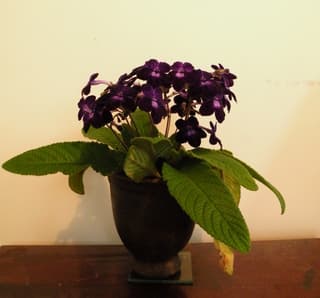
Saintpaulia confusa is a wild African violet in the family Gesneriaceae, from the forests of the East Usambara Mountains in Tanzania. Botanists now treat it as part of the grotei subspecies of the African violet (Saintpaulia ionantha subsp. grotei, or Streptocarpus ionanthus subsp. grotei). The name confusa was used for the plants of this subspecies that grow as a rosette, with all leaves coming from the center, instead of forming long trailing stems. The leaves are rounded, hairy and scalloped at the edge; the small flowers are pale mauve with a violet edge, in clusters of 2 to 4. In the wild it is threatened by forest clearance.
How to Propagate Saintpaulia confusa?
Leaf cutting
Use leaves from the middle row, not the youngest or oldest. Keep the mix moist, never soggy.
- 1 Cut a mature leaf with 2 to 3 cm of stalk
- 2 Insert the stalk at an angle in a light, moist mix
- 3 Cover with a clear plastic bag and keep in bright light out of sun
- 4 Wait for plantlets to appear at the base and separate them once they have their own leaves
Materials needed:
How Big Does Saintpaulia confusa Grow?
TLDR: Saintpaulia confusa can reach up to ?cm tall with Medium growth rate.
Foliage
Evergreen
Plant Uses
Ornamental
Great for decoration
Is your plant showing symptoms?
Click on the symptom to discover possible causes:
What Diseases Commonly Affect Saintpaulia confusa?
TLDR: Saintpaulia confusa is susceptible to 6 known diseases. Monitor regularly for early detection.
Crown Rot
Crown rot is a serious fungal disease that attacks the crown (base) of the plant where the stem meets the soil. It is caused by various fungal pathogens including Phytophthora, Fusarium, and Rhizoctonia. The disease thrives in waterlogged conditions and can quickly spread to kill the entire plant if not addressed promptly.
Root Rot
Root rot is a serious fungal disease that affects the root system of plants, causing them to decay and die. It is primarily caused by overwatering, poor drainage, or soil-borne fungi such as Pythium, Phytophthora, Rhizoctonia, and Fusarium. The disease thrives in waterlogged conditions where roots are deprived of oxygen, making them susceptible to fungal infection.
Overwatering
Overwatering occurs when plants receive too much water, depriving roots of oxygen and causing root rot. This environmental stress is one of the most common causes of houseplant death, as waterlogged soil prevents roots from breathing and functioning properly.
Cold Damage
Cold damage, also known as frost injury, occurs when plants are exposed to freezing or near-freezing temperatures. This environmental stress can cause cellular damage as ice crystals form within plant tissues, rupturing cells and disrupting normal plant functions. Chilling injury can also occur in sensitive species at temperatures between 32-55°F (0-10°C), even without actual freezing.
Fun Facts
On Mount Mlinga in Tanzania, rosette plants and long-stemmed plants of this same subspecies grow side by side.
Every African violet sold in shops descends from wild plants from the mountains of Tanzania and Kenya.
Since 2015 many botanists place African violets in the genus Streptocarpus.
Frequently asked questions
Is Saintpaulia confusa a separate species?
How do I water it without rotting it?
Is it toxic to cats and dogs?
Why isn't it flowering?
Compare with similar plants
| Attribute | Difficulty | Light | Watering | Pet Safe |
|---|---|---|---|---|
| Dark Fieldcap | Medium | Low light | 2d | ⚠️ |
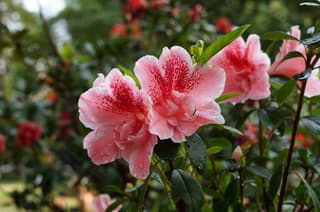
| Azalea | Medium | Partial shade | 3d | ⚠️ |
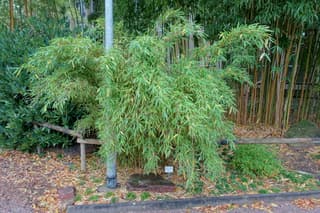
| Muriel's Bamboo | Medium | Partial shade | 3d | ✓ |
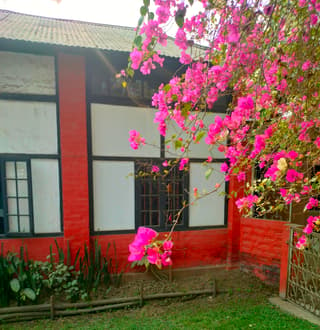
| Bougainvillea | Medium | Direct sun | 7d | ⚠️ |
Choose & Compare
Sources & References
- JSTOR Global Plants - Flora of Tropical East Africa entry, Saintpaulia ionantha subsp. grotei (incl. S. confusa)
- Wikipedia - Streptocarpus ionanthus (subspecies and synonyms per POWO)
- ASPCA - African Violet (Saintpaulia spp.) non-toxic
- Penn State Extension - African Violet Care
- Iowa State Extension - All About African Violets
- UF/IFAS EDIS - African violet production (substrate pH 5.8-6.5)