Cactaceae
San Pedro Cactus: Aromatic Plant
Trichocereus pachanoi
A low-maintenance, fast-growing cactus suitable even for beginners. It requires as much direct sunlight as possible, well-draining mineral soil, and watering using the 'soak and dry' method. Watering should be almost entirely withheld during the winter.
Every 14 days
Direct sun
-9° - 38°C
20% - 50%
Categories
What is San Pedro Cactus?
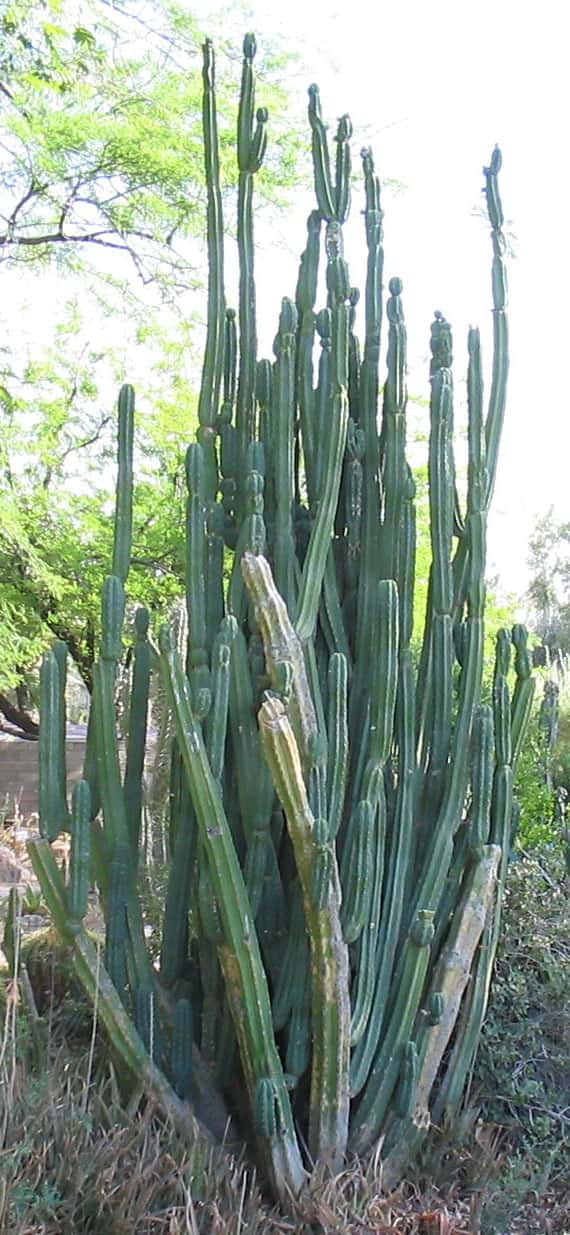
San Pedro Cactus (Trichocereus pachanoi) is a easy-care plant from the Cactaceae family. Trichocereus pachanoi, known as the San Pedro cactus, is a fast-growing columnar cactus native to the Andes Mountains of Ecuador and Peru, where it grows at altitudes of 2,000–3,000 meters above sea level. It produces upright, bluish-green stems with 6–8 ribs, reaching heights of 3–6 meters (excepti...
San Pedro Cactus grows up to 6.0m, spread of 150cm, watering every 14 days, -9°C – 38°C, 20–50% humidity. It is suitable for indoor environments and not safe for pets.
Unlike many tropical plants, San Pedro Cactus tolerates watering mistakes. Best for beginners. Without precautions, ingestion can cause irritation in pets. Keep out of reach of cats and dogs. Without adequate drainage, root rot can develop within 28 days.
How to Care for San Pedro Cactus?
TLDR: San Pedro Cactus needs Direct sun, watering every 14 days, and temperatures between -9-38°C with 20-50% humidity.
How Often Should You Water San Pedro Cactus?
Water thoroughly, but only after the substrate has completely dried out—typically every 10–14 days during the growing season. Reduce watering to a minimum in winter to prevent root rot.
How Much Light Does San Pedro Cactus Need?
Requires as much direct sunlight as possible, ideally 6–8 hours a day. Gradually acclimate shade-grown plants to full sun over several weeks, and provide shade in summer when temperatures exceed 35°C (95°F) to prevent sunburn.
What Is the Best Soil for San Pedro Cactus?
Use a well-draining mineral cactus mix—a blend of potting soil with perlite, pumice, or coarse sand in approximately a 1:1 ratio, with a slightly acidic to neutral pH.
What Pot Should You Use for San Pedro Cactus?
Choose an unglazed terracotta pot with a large drainage hole, which allows the substrate to dry quickly and prevents waterlogged roots.
Care Schedule
Fertilize
Every 30 days
What Is San Pedro Cactus and Where Does It Come From?
Trichocereus pachanoi, known as the San Pedro cactus, is a fast-growing columnar cactus native to the Andes Mountains of Ecuador and Peru, where it grows at altitudes of 2,000–3,000 meters above sea level. It produces upright, bluish-green stems with 6–8 ribs, reaching heights of 3–6 meters (exceptionally more) in the wild. It blooms at night with large, strongly scented white flowers that last only about two days. For over 2,000 years, it has been part of traditional Andean medicine and shamanic rituals due to its mescaline alkaloid content.
How to Propagate San Pedro Cactus?
How Big Does San Pedro Cactus Grow?
TLDR: San Pedro Cactus can reach up to 6.0m tall with Fast growth rate.
Max height
6.0m
Spread
1.5m
Growth rate
Fast
Foliage
Evergreen
Warning: Toxic Plant
This plant can be toxic if ingested. Keep out of reach of:
Plant Uses
Ornamental
Great for decoration
Medicinal
Medicinal properties
Aromatic
Pleasant fragrance
Medicinal Uses
- Traditionally used in Andean folk medicine and shamanic ceremonies (known as 'huachuma' or 'cimora')
- Subject of research for its alkaloid content with potential psychotherapeutic applications
Is your plant showing symptoms?
Click on the symptom to discover possible causes:
What Diseases Commonly Affect San Pedro Cactus?
TLDR: San Pedro Cactus is susceptible to 8 known diseases. Monitor regularly for early detection.
Root Rot
Root rot is a serious fungal disease that affects the root system of plants, causing them to decay and die. It is primarily caused by overwatering, poor drainage, or soil-borne fungi such as Pythium, Phytophthora, Rhizoctonia, and Fusarium. The disease thrives in waterlogged conditions where roots are deprived of oxygen, making them susceptible to fungal infection.
Overwatering
Overwatering occurs when plants receive too much water, depriving roots of oxygen and causing root rot. This environmental stress is one of the most common causes of houseplant death, as waterlogged soil prevents roots from breathing and functioning properly.
Mealybugs
Mealybugs are small, soft-bodied insects covered with a white, waxy, cottony material. They are common pests of houseplants and outdoor plants in mild climates. These sap-sucking insects feed on plant tissue, causing damage, stunted growth, and can lead to plant death if left untreated. They produce sticky honeydew which attracts sooty mold.
Spider Mites
Spider mites are tiny arachnids (less than 1/20 inch long) related to spiders and ticks that feed on plant sap. They thrive in hot, dry conditions and can cause significant damage to ornamental and vegetable plants. During severe infestations, crop losses can reach 14% or higher as these pests disrupt vital plant processes including photosynthesis, carbon dioxide absorption, and transpiration.
Meaning & Symbolism
The name 'San Pedro' refers to Saint Peter, who according to Christian tradition holds the keys to heaven—indigenous cultures of Peru and Ecuador believe the cactus's effects similarly open the gateway to spiritual knowledge. For millennia, it has been a sacred plant for Andean shamans (curanderos) used in cleansing rituals.
Compare with similar plants
| Attribute | Difficulty | Light | Watering | Pet Safe |
|---|---|---|---|---|
| Field Maple | Easy | Bright indirect | 14d | ✓ |
| Silver Birch | Easy | Direct sun | 14d | ✓ |
| Common Blanketflower | Easy | Direct sun | 10d | ✓ |
| Cushion Bush | Easy | Direct sun | 14d | ✓ |
Choose & Compare
Sources & References
- Trichocereus macrogonus var. pachanoi - Wikipedia
- San Pedro Cactus (Trichocereus pachanoi): All You Need To Know - Gardenia.net
- A Practical Guide to San Pedro Cactus Care - The Cactus Outlet
- How to Grow a San Pedro Cactus - San Pedro Source
- Pests and Diseases Affecting Trichocereus - The Succulent Source





