Bignoniaceae
Sausage tree: Edible Plant
Kigelia africana
Kigelia needs as much direct light as possible, a warm frost-free environment, and well-draining, nutrient-rich soil. Water regularly, but allow the top layer of the substrate to dry out slightly—waterlogged, soggy soil is more harmful to the plant than short-term drought. During the growing season (spring–summer), it appreciates fertilization and higher humidity.
Every 7 days
Direct sun
15° - 32°C
50% - 70%
Categories
What is Sausage tree?
Sausage tree (Kigelia africana) is a hard-care plant from the Bignoniaceae family. The Sausage tree (Kigelia africana) is an impressive tropical tree from the Bignoniaceae family, native to sub-Saharan Africa, where it grows along riverbanks, in savannas, and open woodlands. It earned its common name from its striking, woody fruits that resemble hanging sausages in both shape and...
Sausage tree grows up to 18.0m, spread of 2000cm, watering every 7 days, 15°C – 32°C, 50–70% humidity. It is suitable for indoor environments and not safe for pets.
Unlike easy-care plants, Sausage tree demands constant attention to humidity and light. Not recommended for beginners. Without precautions, ingestion can cause irritation in pets. Keep out of reach of cats and dogs. Without adequate drainage, root rot can develop within 14 days.
How to Care for Sausage tree?
TLDR: Sausage tree needs Direct sun, watering every 7 days, and temperatures between 15-32°C with 50-70% humidity.
How Often Should You Water Sausage tree?
Water approximately once every 7 days, more frequently in summer and less in winter. The substrate should remain slightly moist between waterings, never waterlogged—root saturation quickly leads to rot.
How Much Light Does Sausage tree Need?
Kigelia requires as much direct sunlight as possible—ideally a southwest-facing window or a greenhouse. In partial shade, it grows slower and practically never blooms.
What Is the Best Soil for Sausage tree?
Use a light, nutritious, and well-draining mix (e.g., garden soil mixed with sand and perlite), with a slightly acidic to neutral pH of 5.5–7.5. Prevent soil compaction and stagnant water in the pot.
What Pot Should You Use for Sausage tree?
For young plants, choose a deep pot with a wide diameter and excellent drainage holes (terracotta or another breathable material), as Kigelia develops a strong root system and does not tolerate waterlogging.
Care Schedule
Fertilize
Every 60 days
What Is Sausage tree and Where Does It Come From?
The Sausage tree (Kigelia africana) is an impressive tropical tree from the Bignoniaceae family, native to sub-Saharan Africa, where it grows along riverbanks, in savannas, and open woodlands. It earned its common name from its striking, woody fruits that resemble hanging sausages in both shape and size—reaching lengths of over 50 cm and weighing up to 10 kg. In the wild, it grows to a height of 10 to 18 meters with a wide, spreading canopy. Its nocturnal, deep red to purple flowers have an unpleasant scent to attract bats, which are its primary pollinators. While raw fruits are toxic to humans, they are traditionally used in folk medicine and beverage preparation after fermentation, roasting, or drying. In temperate climates, Kigelia is grown exclusively as an indoor or greenhouse plant in its youth, as it does not tolerate frost.
How Big Does Sausage tree Grow?
TLDR: Sausage tree can reach up to 18.0m tall with Medium growth rate.
Max height
18.0m
Spread
20.0m
Growth rate
Medium
Foliage
Semi-evergreen
Warning: Toxic Plant
This plant can be toxic if ingested. Keep out of reach of:
Plant Uses
Ornamental
Great for decoration
Medicinal
Medicinal properties
Edible
Can be consumed
Medicinal Uses
- Bark and fruits are used in traditional African medicine to treat skin diseases and wounds
- Fruit extracts have anti-inflammatory and antimicrobial properties
- Used for rheumatic complaints
- Ingredient in cosmetic products for skin firming and regeneration
Culinary Uses
- Ripe fruits are used to flavor traditional African beer after fermentation
- Dried or roasted fruits are occasionally consumed in small quantities after processing
- Raw fruits are not edible and are toxic
Is your plant showing symptoms?
Click on the symptom to discover possible causes:
What Diseases Commonly Affect Sausage tree?
TLDR: Sausage tree is susceptible to 8 known diseases. Monitor regularly for early detection.
Anthracnose
Anthracnose is a fungal disease caused by fungi in the genus Colletotrichum that affects many plants, including vegetables, fruits, and trees. The disease thrives in cool, wet conditions, causing dark, sunken lesions on leaves, stems, flowers, and fruits.
Leaf Spot
Leaf spot is a common fungal disease caused by various pathogens including Alternaria, Ascochyta, Colletotrichum, Septoria, and Venturia. It primarily affects leaves, causing discolored spots that can lead to premature leaf drop if left untreated.
Powdery Mildew
Powdery mildew is a common fungal disease caused by various fungi species including Erysiphe, Podosphaera, Oïdium, and Leveillula. It affects over 10,000 plant species worldwide. The disease thrives in warm, dry climates with high humidity and appears as a distinctive white powdery coating on plant surfaces.
Root Rot
Root rot is a serious fungal disease that affects the root system of plants, causing them to decay and die. It is primarily caused by overwatering, poor drainage, or soil-borne fungi such as Pythium, Phytophthora, Rhizoctonia, and Fusarium. The disease thrives in waterlogged conditions where roots are deprived of oxygen, making them susceptible to fungal infection.
Meaning & Symbolism
In many African cultures, the Sausage tree is a sacred tree associated with fertility, protection, and prosperity. Its fruits were traditionally used in rain-making ceremonies and as fertility amulets, while the bark and roots held protective symbolism in tribal medicine.
Compare with similar plants
| Attribute | Difficulty | Light | Watering | Pet Safe |
|---|---|---|---|---|
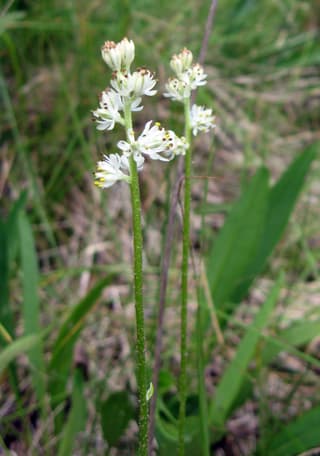
| Sticky false asphodel | Hard | Bright indirect | 1d | ✓ |
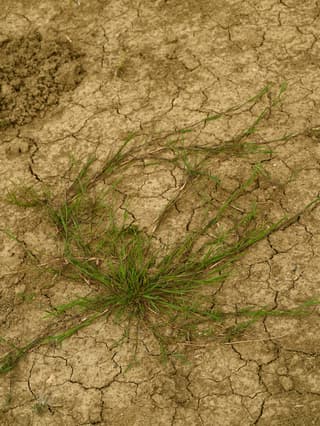
| Creeping bentgrass | Hard | Direct sun | 3d | ✓ |
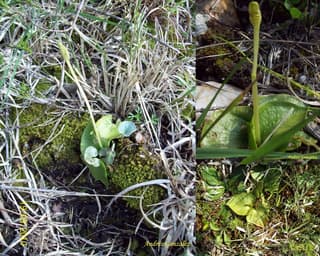
| Bulbous Adder's-tongue | Hard | Partial shade | 4d | ✓ |
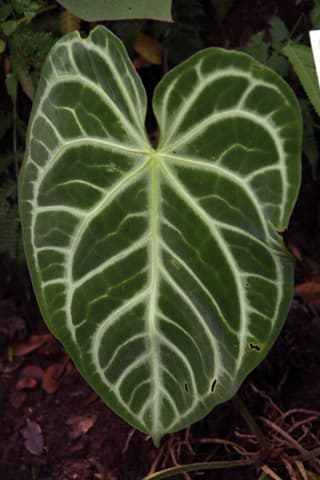
| Crystal Anthurium | Hard | Partial shade | 7d | ⚠️ |
Choose & Compare
Sources & References
- Kigelia africana: Care, characteristics, and benefits of the sausage tree
- Sausage Tree Info: How To Grow Kigelia Trees In The Landscape
- Kigelia africana - Plant Finder, Missouri Botanical Garden
- Kigélie africká – Wikipedie
- Kigelia pinnata species profile - World Agroforestry
- How to grow the sausage tree (Kigelia africana) from seeds