Apiaceae
Sea Holly: Edible Plant
Eryngium
Give sea holly full sun and lean, fast-draining soil. Once established the deep taproot makes it remarkably drought tolerant, so water sparingly and let the soil dry out between waterings. Skip fertilizer, avoid soggy ground to prevent root rot, and cut the spent flower stems back after blooming.
Every 14 days
Direct sun
° - °C
% - %
Categories
What is Sea Holly?
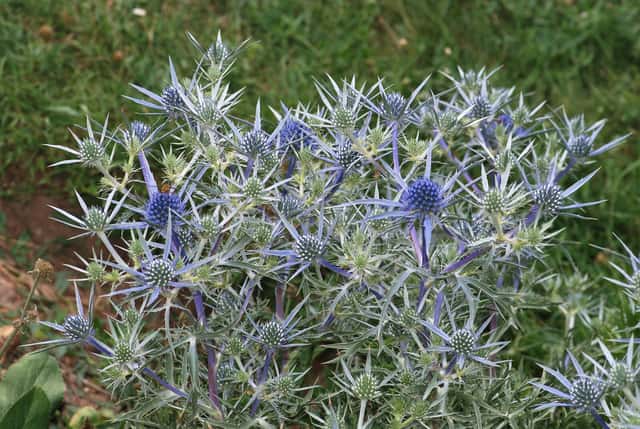
Sea Holly (Eryngium) is a easy-care plant from the Apiaceae family. Eryngium, commonly known as sea holly, is a genus of striking perennials in the carrot family prized for their spiny, silvery-blue bracts and thistle-like flower heads. Native to coastal cliffs, dry meadows and rocky slopes across Europe, the Americas and parts of Asia, sea hollies combine architect...
Sea Holly grows up to 90cm, spread of 45cm, watering every 14 days. It is not suitable for indoor environments and safe for pets.
Unlike many tropical plants, Sea Holly tolerates watering mistakes. Best for beginners. Unlike many popular species, Sea Holly is safe to keep around pets.
How to Care for Sea Holly?
TLDR: Sea Holly needs Direct sun, watering every 14 days, and temperatures between 15-30°C with 40-70% humidity.
How Often Should You Water Sea Holly?
Water deeply but infrequently, allowing the soil to dry out completely between waterings; overwatering is the most common cause of failure.
How Much Light Does Sea Holly Need?
Plant in full sun (6+ hours of direct light daily) for the strongest stems and most intense blue coloring; too much shade causes floppy, weak growth.
What Is the Best Soil for Sea Holly?
Use sandy, well-draining soil; rich or constantly moist soil encourages root rot and leggy growth.
What Pot Should You Use for Sea Holly?
If grown in a container, choose a deep, unglazed terracotta pot with generous drainage holes to accommodate the long taproot and let excess moisture escape.
What Is Sea Holly and Where Does It Come From?
Eryngium, commonly known as sea holly, is a genus of striking perennials in the carrot family prized for their spiny, silvery-blue bracts and thistle-like flower heads. Native to coastal cliffs, dry meadows and rocky slopes across Europe, the Americas and parts of Asia, sea hollies combine architectural texture with remarkable toughness, thriving in poor soil and salty coastal air where few other perennials survive.
How to Propagate Sea Holly?
Seed sowing
Seeds benefit from a month of warm moist stratification followed by a month of cold moist stratification before germinating; direct-sow since taproots resent transplanting.
- 1 Sow into well-draining compost in late summer or autumn
- 2 Keep moist and in a warm spot for about a month
- 3 Move to a cold spot (refrigerator) for another month
- 4 Move to full sun and wait for germination in spring
Materials needed:
Division
Because of the long taproot, sea holly resists division and transplanting; only attempt on young plants and expect some losses.
- 1 Choose a young, well-established plant
- 2 Dig carefully around it to preserve as much of the taproot as possible
- 3 Divide the crown into sections with roots and shoots attached
- 4 Replant immediately in well-draining soil and water lightly
Materials needed:
How Big Does Sea Holly Grow?
TLDR: Sea Holly can reach up to 90cm tall with Medium growth rate.
Max height
90cm
Spread
45cm
Growth rate
Medium
Plant Uses
Ornamental
Great for decoration
Edible
Can be consumed
Medicinal
Medicinal properties
Medicinal Uses
- Traditional decoctions of leaves and roots used for coughs, fevers and digestive complaints
- Root historically chewed to stimulate appetite and saliva production
Culinary Uses
- Candied root historically eaten as a sweet ("eryngo") in England
- Young leaves of some species used as a coriander-like flavoring in cooking
Is your plant showing symptoms?
Click on the symptom to discover possible causes:
What Diseases Commonly Affect Sea Holly?
TLDR: Sea Holly is susceptible to 5 known diseases. Monitor regularly for early detection.
Root Rot
Root rot is a serious fungal disease that affects the root system of plants, causing them to decay and die. It is primarily caused by overwatering, poor drainage, or soil-borne fungi such as Pythium, Phytophthora, Rhizoctonia, and Fusarium. The disease thrives in waterlogged conditions where roots are deprived of oxygen, making them susceptible to fungal infection.
Powdery Mildew
Powdery mildew is a common fungal disease caused by various fungi species including Erysiphe, Podosphaera, Oïdium, and Leveillula. It affects over 10,000 plant species worldwide. The disease thrives in warm, dry climates with high humidity and appears as a distinctive white powdery coating on plant surfaces.
Leaf Spot
Leaf spot is a common fungal disease caused by various pathogens including Alternaria, Ascochyta, Colletotrichum, Septoria, and Venturia. It primarily affects leaves, causing discolored spots that can lead to premature leaf drop if left untreated.
Aphids
Aphids are small, soft-bodied, pear-shaped insects (1/16 to 1/8 inch long) that feed by sucking nutrient-rich sap from plants. They reproduce rapidly and can quickly weaken plants, causing distorted growth and transmitting plant viruses. Aphids come in various colors including green, black, red, yellow, brown, and gray. They secrete honeydew, a sticky substance that attracts ants and encourages sooty mold growth.
Meaning & Symbolism
Sea holly symbolizes strength, independence and protection - its spiny silhouette has long been read as a charm against harm and a tribute to resilience under harsh conditions.
Compare with similar plants
| Attribute | Difficulty | Light | Watering | Pet Safe |
|---|---|---|---|---|
| Field Maple | Easy | Bright indirect | 14d | ✓ |
| Silver Birch | Easy | Direct sun | 14d | ✓ |
| Common Blanketflower | Easy | Direct sun | 10d | ✓ |
| Cushion Bush | Easy | Direct sun | 14d | ✓ |
Choose & Compare
Sources & References
- Learn How To Plant, Care, and Grow Spectacular Sea Holly (Eryngium) - Gardenia.net
- Eryngium planum - NC State Extension Gardener Plant Toolbox
- Sea Holly Plant Care: How To Grow A Sea Holly Plant - Gardening Know How
- Common Blue Sea Holly Perennial Diseases (Eryngium planum)
- Eryngium Meaning: What This Spiky Blue Flower Symbolizes
- Blessings in disguise: phytochemical composition and antimicrobial activity of genus Eryngium





