Fabaceae
Sensitive Plant: Medicinal Uses & Care Tips
Mimosa pudica
Grow in bright indirect light with well-draining, organically rich soil, keeping the soil consistently moist without waterlogging. It enjoys warmth and high humidity and is sensitive to temperatures below 15°C (60°F).
Every 3 days
Bright indirect
15° - 29°C
60% - 80%
Categories
What is Sensitive Plant?
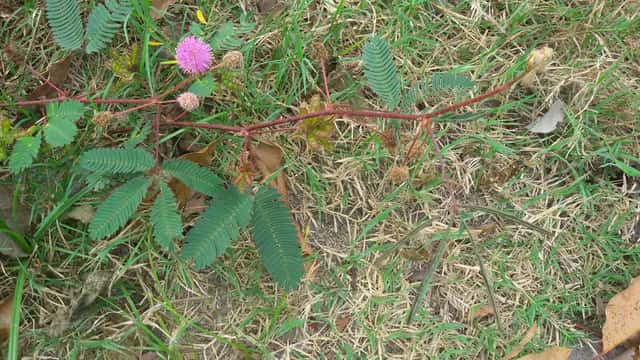
Sensitive Plant (Mimosa pudica) is a easy-care plant from the Fabaceae family. The sensitive plant is a creeping herbaceous plant native to tropical Central and South America, now naturalized throughout the tropics worldwide. It is best known for its nyctinastic movement: its compound leaves fold rapidly when touched or shaken, a defense mechanism against herbivores. It produc...
Sensitive Plant grows up to 45cm, spread of 60cm, watering every 3 days, 15°C – 29°C, 60–80% humidity. It is suitable for indoor environments and not safe for pets.
Unlike many tropical plants, Sensitive Plant tolerates watering mistakes. Best for beginners. Without precautions, ingestion can cause irritation in pets. Keep out of reach of cats and dogs. Without adequate drainage, root rot can develop within 7 days.
How to Care for Sensitive Plant?
TLDR: Sensitive Plant needs Bright indirect, watering every 3 days, and temperatures between 15-29°C with 60-80% humidity.
How Often Should You Water Sensitive Plant?
Water as soon as the top layer of soil starts to dry, keeping the substrate evenly moist but never soggy, to prevent root rot.
How Much Light Does Sensitive Plant Need?
Prefers bright indirect light; avoid harsh direct sun, which can scorch the delicate leaves.
What Is the Best Soil for Sensitive Plant?
Use a light, well-draining, organically rich potting mix with a slightly acidic to neutral pH.
What Pot Should You Use for Sensitive Plant?
Medium-sized pot with good drainage and bottom holes; the plant grows quickly and may need annual repotting.
Care Schedule
Fertilize
Every 30 days
Rotate
Every 14 days
What Is Sensitive Plant and Where Does It Come From?
The sensitive plant is a creeping herbaceous plant native to tropical Central and South America, now naturalized throughout the tropics worldwide. It is best known for its nyctinastic movement: its compound leaves fold rapidly when touched or shaken, a defense mechanism against herbivores. It produces small, fluffy pink-lavender globular flowers in summer and has spiny stems.
How to Propagate Sensitive Plant?
Seed propagation
Seeds benefit from light scarification before sowing to speed up germination. Avoid disturbing young seedlings too much.
- 1 Sow seeds in a light, well-draining growing medium
- 2 Keep the soil moist and in a warm spot (above 21°C/70°F)
- 3 Germination occurs within 2-3 weeks
- 4 Transplant seedlings once they have 2-3 true leaves
Materials needed:
How Big Does Sensitive Plant Grow?
TLDR: Sensitive Plant can reach up to 45cm tall with Fast growth rate.
Max height
45cm
Spread
60cm
Growth rate
Fast
Foliage
Evergreen
Warning: Toxic Plant
This plant can be toxic if ingested. Keep out of reach of:
Plant Uses
Ornamental
Great for decoration
Medicinal
Medicinal properties
Medicinal Uses
- Traditional wound-healing remedy
- Used in folk medicine for diarrhea
- Traditional remedy for insomnia and anxiety
Is your plant showing symptoms?
Click on the symptom to discover possible causes:
What Diseases Commonly Affect Sensitive Plant?
TLDR: Sensitive Plant is susceptible to 9 known diseases. Monitor regularly for early detection.
Spider Mites
Spider mites are tiny arachnids (less than 1/20 inch long) related to spiders and ticks that feed on plant sap. They thrive in hot, dry conditions and can cause significant damage to ornamental and vegetable plants. During severe infestations, crop losses can reach 14% or higher as these pests disrupt vital plant processes including photosynthesis, carbon dioxide absorption, and transpiration.
Mealybugs
Mealybugs are small, soft-bodied insects covered with a white, waxy, cottony material. They are common pests of houseplants and outdoor plants in mild climates. These sap-sucking insects feed on plant tissue, causing damage, stunted growth, and can lead to plant death if left untreated. They produce sticky honeydew which attracts sooty mold.
Aphids
Aphids are small, soft-bodied, pear-shaped insects (1/16 to 1/8 inch long) that feed by sucking nutrient-rich sap from plants. They reproduce rapidly and can quickly weaken plants, causing distorted growth and transmitting plant viruses. Aphids come in various colors including green, black, red, yellow, brown, and gray. They secrete honeydew, a sticky substance that attracts ants and encourages sooty mold growth.
Root Rot
Root rot is a serious fungal disease that affects the root system of plants, causing them to decay and die. It is primarily caused by overwatering, poor drainage, or soil-borne fungi such as Pythium, Phytophthora, Rhizoctonia, and Fusarium. The disease thrives in waterlogged conditions where roots are deprived of oxygen, making them susceptible to fungal infection.
Meaning & Symbolism
Symbol of shyness, humility and sensitivity due to its rapid leaf-folding response to touch; associated in some cultures with modesty and self-protection.
Compare with similar plants
| Attribute | Difficulty | Light | Watering | Pet Safe |
|---|---|---|---|---|
| Field Maple | Easy | Bright indirect | 14d | ✓ |
| Silver Birch | Easy | Direct sun | 14d | ✓ |
| Common Blanketflower | Easy | Direct sun | 10d | ✓ |
| Cushion Bush | Easy | Direct sun | 14d | ✓ |
Choose & Compare
Sources & References
- Sensitive Plant (Mimosa pudica) Care Guide - Healthy Houseplants
- How to Plant, Grow, and Care for Sensitive Plants (Mimosa Pudica) - Epic Gardening
- Sensitive Plant (Mimosa pudica): All You Need To Know - Gardenia
- How to Care for Sensitive Plants! (Mimosa Pudica) - UK Houseplants
- Mimosa pudica - Wikipedia
- Mimosa pudica - Useful Tropical Plants





