Rosaceae
Serviceberry: Edible Plant
Amelanchier canadensis
Low-maintenance and adaptable, serviceberry thrives in full sun to partial shade with moist, well-drained soil. Water regularly during the first year to establish roots, then rely mostly on rainfall. Prune lightly right after flowering to maintain shape; otherwise this plant asks for very little upkeep.
Every 7 days
Bright indirect
° - °C
% - %
Categories
What is Serviceberry?
Serviceberry (Amelanchier canadensis) is a easy-care plant from the Rosaceae family. A deciduous, multi-stemmed shrub or small tree native to eastern North America, prized for its clouds of white star-shaped flowers that open in early spring before the leaves unfurl. By early summer the blooms give way to sweet, blueberry-like purple-black berries, and in autumn the foliage turns br...
Serviceberry grows up to 9.0m, spread of 600cm, watering every 7 days. It is not suitable for indoor environments and safe for pets.
Unlike many tropical plants, Serviceberry tolerates watering mistakes. Best for beginners. Unlike many popular species, Serviceberry is safe to keep around pets.
How to Care for Serviceberry?
TLDR: Serviceberry needs Bright indirect, watering every 7 days, and temperatures between 15-30°C with 40-70% humidity.
How Often Should You Water Serviceberry?
Water deeply once a week during the first growing season to help roots establish. Once established, serviceberry is fairly drought-tolerant and only needs supplemental water during extended dry spells. Water at the soil line rather than overhead to help prevent fungal leaf diseases.
How Much Light Does Serviceberry Need?
Plant in full sun for the heaviest flowering, best fruit set, and most vivid fall color. It also tolerates partial shade, though flowering and fruiting will be lighter.
What Is the Best Soil for Serviceberry?
Grows best in moist, well-drained, slightly acidic soil enriched with organic matter, but it adapts to clay, loam, or sandy soils as long as drainage is reasonable.
What Pot Should You Use for Serviceberry?
Best planted directly in the ground as a specimen or understory tree; if grown in a container, choose one at least 60cm (24in) wide and deep with generous drainage holes.
What Is Serviceberry and Where Does It Come From?
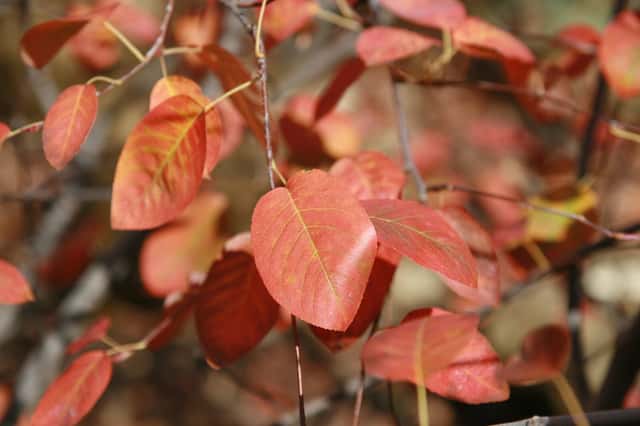
A deciduous, multi-stemmed shrub or small tree native to eastern North America, prized for its clouds of white star-shaped flowers that open in early spring before the leaves unfurl. By early summer the blooms give way to sweet, blueberry-like purple-black berries, and in autumn the foliage turns brilliant shades of orange and red. Its early bloom time made it a folk calendar marker for the shad fish runs, hence the name shadbush.
How to Propagate Serviceberry?
Semi-hardwood cuttings
Use a humidity dome or misting to keep cuttings from drying out; rooting can be slow and inconsistent for this genus.
- 1 Take 10-15cm semi-hardwood cuttings from new growth in mid to late summer
- 2 Strip the lower leaves and dip the cut end in rooting hormone
- 3 Insert into a moist, well-draining propagation mix
- 4 Keep in bright, indirect light with high humidity until roots form
Materials needed:
Removing root suckers
Suckers already have roots, so this is the fastest and most reliable way to propagate a genetic copy of the parent plant.
- 1 In late winter while the plant is dormant, locate a rooted sucker growing from the base
- 2 Dig around the sucker to expose its own root system
- 3 Sever it cleanly from the parent plant with a spade or loppers
- 4 Transplant immediately to its new location and water well
Materials needed:
How Big Does Serviceberry Grow?
TLDR: Serviceberry can reach up to 9.0m tall with Medium growth rate.
Max height
9.0m
Spread
6.0m
Growth rate
Medium
Foliage
Deciduous
Plant Uses
Ornamental
Great for decoration
Edible
Can be consumed
Medicinal
Medicinal properties
Medicinal Uses
- Bark and root infusions used in traditional folk remedies for digestive complaints
- Ripe berry juice used historically as eye and ear drops
- Boiled bark applied as a folk disinfectant
Culinary Uses
- Fresh berries eaten out of hand
- Cooked into pies, jams, and jellies
- Dried and mixed into pemmican with meat and fat
Is your plant showing symptoms?
Click on the symptom to discover possible causes:
What Diseases Commonly Affect Serviceberry?
TLDR: Serviceberry is susceptible to 4 known diseases. Monitor regularly for early detection.
Rust
Rust is a common fungal disease caused by fungi in the order Pucciniales that affects a wide variety of plants. The disease gets its name from the characteristic orange, yellow, or reddish-brown pustules that appear on leaves, resembling metal rust. This obligate fungal parasite requires living plants to survive and can cause significant economic losses in agricultural crops.
Leaf Spot
Leaf spot is a common fungal disease caused by various pathogens including Alternaria, Ascochyta, Colletotrichum, Septoria, and Venturia. It primarily affects leaves, causing discolored spots that can lead to premature leaf drop if left untreated.
Fire Blight
Fire blight is a highly destructive and contagious bacterial disease caused by Erwinia amylovora. It primarily affects plants in the Rosaceae family, including apple, pear, quince trees, and various ornamental plants. The disease can destroy an entire orchard in a single growing season under ideal conditions, with the bacterium moving approximately 11 inches per week in new growth.
Powdery Mildew
Powdery mildew is a common fungal disease caused by various fungi species including Erysiphe, Podosphaera, Oïdium, and Leveillula. It affects over 10,000 plant species worldwide. The disease thrives in warm, dry climates with high humidity and appears as a distinctive white powdery coating on plant surfaces.
Meaning & Symbolism
Blooming before almost any other tree in spring, serviceberry has long symbolized renewal, hope, and resilience after winter. For many Indigenous peoples of eastern North America it was also a plant of sustenance and healing, linking it to themes of nourishment and continuity.
Compare with similar plants
| Attribute | Difficulty | Light | Watering | Pet Safe |
|---|---|---|---|---|
| Field Maple | Easy | Bright indirect | 14d | ✓ |
| Silver Birch | Easy | Direct sun | 14d | ✓ |
| Common Blanketflower | Easy | Direct sun | 10d | ✓ |
| Cushion Bush | Easy | Direct sun | 14d | ✓ |





