Fagaceae
Sessile Oak - Complete Growing Guide
Quercus petraea
A slow-growing, hardy tree best suited to full sun and well-drained, slightly acidic soil. Requires regular watering only during the first 2-3 years after planting; established trees are quite drought tolerant.
Every 14 days
Direct sun
-25° - 35°C
40% - 80%
Categories
What is Sessile Oak?
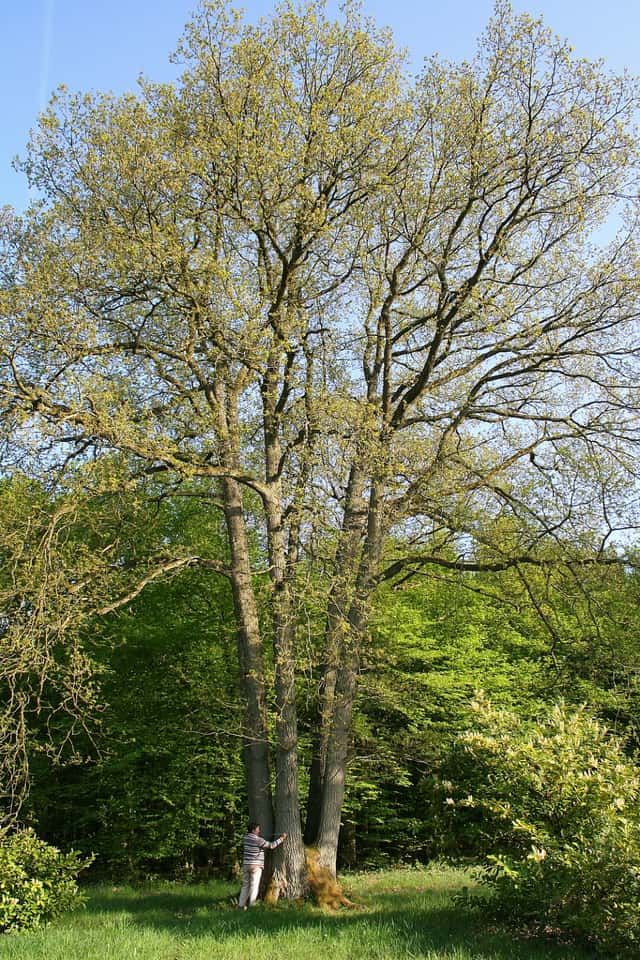
Sessile Oak (Quercus petraea) is a medium-care plant from the Fagaceae family. The sessile oak (Quercus petraea) is a large deciduous tree native to the temperate forests of Europe. It can live for several centuries and reach up to 40 meters in height, forming a broad, rounded crown. Its lobed leaves and stalkless (sessile) acorns distinguish it from the closely related pedunc...
Sessile Oak grows up to 40.0m, spread of 2000cm, watering every 14 days, -25°C – 35°C, 40–80% humidity. It is not suitable for indoor environments and not safe for pets.
Without precautions, ingestion can cause irritation in pets. Keep out of reach of cats and dogs.
How to Care for Sessile Oak?
TLDR: Sessile Oak needs Direct sun, watering every 14 days, and temperatures between -25-35°C with 40-80% humidity.
How Often Should You Water Sessile Oak?
Water deeply 1-2 times per week during the first few years, especially in summer. Established trees rarely need supplemental watering except during prolonged droughts.
How Much Light Does Sessile Oak Need?
Prefers full sun to light partial shade. More direct light produces a denser, healthier crown.
What Is the Best Soil for Sessile Oak?
Well-drained, fertile, slightly acidic soil (pH 5.5-6.5). Tolerates poorer, sandier soils better than pedunculate oak, but does not tolerate prolonged waterlogging.
What Pot Should You Use for Sessile Oak?
Not suitable for containers; should be planted directly in the ground with ample space for root and canopy development.
What Is Sessile Oak and Where Does It Come From?
The sessile oak (Quercus petraea) is a large deciduous tree native to the temperate forests of Europe. It can live for several centuries and reach up to 40 meters in height, forming a broad, rounded crown. Its lobed leaves and stalkless (sessile) acorns distinguish it from the closely related pedunculate oak (Quercus robur).
How to Propagate Sessile Oak?
Propagation from seed (acorns)
Acorns lose viability quickly if allowed to dry out, so plant them as soon as possible after collection. Protection from rodents is recommended.
- 1 Collect ripe, healthy acorns in autumn shortly after they fall from the tree
- 2 Test viability by submerging in water - discard any that float
- 3 Cold-stratify by storing in moist substrate in the refrigerator for 4-6 weeks
- 4 Sow 2-3 cm deep in a pot or bed with well-drained soil
- 5 Keep the substrate moist until germination
Materials needed:
How Big Does Sessile Oak Grow?
TLDR: Sessile Oak can reach up to 40.0m tall with Slow growth rate.
Max height
40.0m
Spread
20.0m
Growth rate
Slow
Foliage
Deciduous
Warning: Toxic Plant
This plant can be toxic if ingested. Keep out of reach of:
Plant Uses
Ornamental
Great for decoration
Air Purifying
Improves air quality
Medicinal Uses
- Astringent bark traditionally used in tanning and folk remedies
Culinary Uses
- Acorns can be processed into flour after leaching out the tannins
Is your plant showing symptoms?
Click on the symptom to discover possible causes:
What Diseases Commonly Affect Sessile Oak?
TLDR: Sessile Oak is susceptible to 5 known diseases. Monitor regularly for early detection.
Aphids
Aphids are small, soft-bodied, pear-shaped insects (1/16 to 1/8 inch long) that feed by sucking nutrient-rich sap from plants. They reproduce rapidly and can quickly weaken plants, causing distorted growth and transmitting plant viruses. Aphids come in various colors including green, black, red, yellow, brown, and gray. They secrete honeydew, a sticky substance that attracts ants and encourages sooty mold growth.
Caterpillars
Caterpillars are the larval stage of moths and butterflies that feed voraciously on plant foliage, stems, flowers, and fruits. Common species include cabbage loopers, tomato hornworms, armyworms, and cutworms. These pests can cause extensive damage by consuming large amounts of plant tissue in a short time. They vary in size from small (1/4 inch) to large (5 inches), with colors ranging from green to brown, often featuring stripes or spots. Caterpillars are highly mobile and can quickly spread throughout gardens, making them one of the most destructive common pests.
Leafminers
Leafminers are the larvae of various insects including flies, moths, sawflies, and beetles that tunnel between leaf surfaces, creating distinctive serpentine trails or blotchy patches. While primarily cosmetic, severe infestations can weaken plants by reducing photosynthesis capacity and making them susceptible to secondary infections.
Powdery Mildew
Powdery mildew is a common fungal disease caused by various fungi species including Erysiphe, Podosphaera, Oïdium, and Leveillula. It affects over 10,000 plant species worldwide. The disease thrives in warm, dry climates with high humidity and appears as a distinctive white powdery coating on plant surfaces.
Meaning & Symbolism
A symbol of strength, endurance, and wisdom in European culture, linked to Celtic and Greco-Roman deities of thunder and longevity.
Fun Facts
Can live for more than 500 years under favorable conditions.
The name "petraea" comes from Latin for "of rocks", referring to its ability to grow in poor, rocky soils.
Its stalkless (sessile) acorns are the main feature distinguishing it from pedunculate oak.
It is one of the most ecologically important tree species in Europe, supporting hundreds of insect species.
Frequently asked questions
Is sessile oak toxic to pets?
How long does it take for a sessile oak to grow?
What is the difference between sessile oak and pedunculate oak?
Can sessile oak be grown in a pot?
Compare with similar plants
| Attribute | Difficulty | Light | Watering | Pet Safe |
|---|---|---|---|---|
| Dark Fieldcap | Medium | Low light | 2d | ⚠️ |
| Azalea | Medium | Partial shade | 3d | ⚠️ |
| Muriel's Bamboo | Medium | Partial shade | 3d | ✓ |
| Bougainvillea | Medium | Direct sun | 7d | ⚠️ |




