Poaceae
Sheep's Fescue (Festuca ovina) Care Guide
Festuca ovina
Give sheep's fescue full sun, sharp drainage, and minimal water once established; it thrives on neglect in lean, dry soils and needs little fertilizer or pruning beyond an occasional tidy-up.
Every 14 days
Direct sun
-30° - 35°C
30% - 60%
Categories
What is Sheep's Fescue?
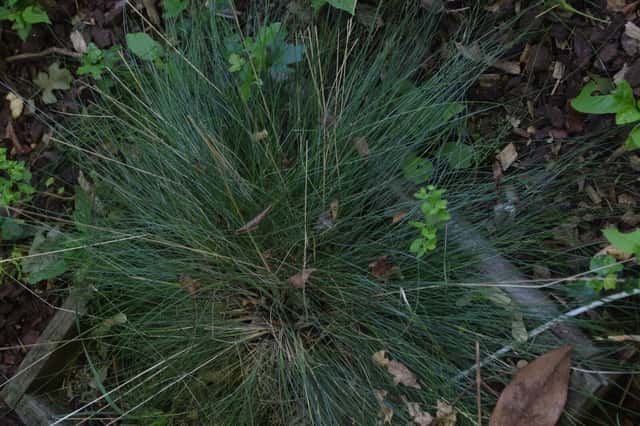
Sheep's Fescue (Festuca ovina) is a easy-care plant from the Poaceae family. Festuca ovina, commonly known as sheep's fescue, is a densely tufted, cool-season perennial grass in the Poaceae family. Native to Europe and Asia and naturalized across North America, it forms neat, low-growing clumps of narrow, wiry, blue-green to gray-green blades. Non-rhizomatous and slow to spr...
Sheep's Fescue grows up to 30cm, spread of 30cm, watering every 14 days, -30°C – 35°C, 30–60% humidity. It is not suitable for indoor environments and safe for pets.
Unlike many tropical plants, Sheep's Fescue tolerates watering mistakes. Best for beginners. Unlike many popular species, Sheep's Fescue is safe to keep around pets.
How to Care for Sheep's Fescue?
TLDR: Sheep's Fescue needs Direct sun, watering every 14 days, and temperatures between -30-35°C with 30-60% humidity.
How Often Should You Water Sheep's Fescue?
Water deeply but infrequently, letting the top few inches of soil dry out between waterings; established clumps are drought tolerant and prone to rot if kept too wet.
How Much Light Does Sheep's Fescue Need?
Plant in full sun for the tightest, most compact tufts and best blue-green color; it tolerates light shade but becomes looser and less vigorous.
What Is the Best Soil for Sheep's Fescue?
Use lean, well-drained sandy or loamy soil; heavy clay should be amended with grit or compost, since soggy soil is the fastest way to lose this grass.
What Pot Should You Use for Sheep's Fescue?
Best grown in the ground or in a wide, shallow, unglazed terracotta container with generous drainage holes, since good drainage matters more than pot depth for this shallow-rooted grass.
Care Schedule
Fertilize
Every 90 days
What Is Sheep's Fescue and Where Does It Come From?
Festuca ovina, commonly known as sheep's fescue, is a densely tufted, cool-season perennial grass in the Poaceae family. Native to Europe and Asia and naturalized across North America, it forms neat, low-growing clumps of narrow, wiry, blue-green to gray-green blades. Non-rhizomatous and slow to spread, it stays put as a tidy mound rather than running through the garden. In late spring to early summer it sends up slender, slightly one-sided flowering panicles on wiry stems. Prized for its fine texture, drought tolerance, and ability to thrive in poor, sandy or rocky soils, sheep's fescue is a low-maintenance choice for rock gardens, borders, slopes, and mass ground-cover plantings.
How to Propagate Sheep's Fescue?
Clump Division
Divide every 2-3 years to keep clumps vigorous and prevent a dead, thinning center.
- 1 In early spring, dig up the entire clump with a garden fork.
- 2 Shake or wash off excess soil to see the root mass clearly.
- 3 Use a sharp knife or spade to split the clump into sections, each with healthy roots and several shoots.
- 4 Replant divisions immediately at the same depth they were growing before.
- 5 Water well after planting to help roots settle.
Materials needed:
Seed Sowing
Cool soil temperatures favor germination; avoid sowing during peak summer heat.
- 1 Sow seed directly outdoors after the last frost, or start indoors 6-8 weeks earlier.
- 2 Scatter seed on well-drained soil and cover lightly with about 1/4 inch of soil.
- 3 Keep the soil lightly moist until seedlings emerge.
- 4 Thin seedlings to about 8-10 inches apart once established.
- 5 Reduce watering gradually as plants mature to encourage drought tolerance.
Materials needed:
How Big Does Sheep's Fescue Grow?
TLDR: Sheep's Fescue can reach up to 30cm tall with Slow growth rate.
Max height
30cm
Spread
30cm
Growth rate
Slow
Foliage
Evergreen
Plant Uses
Ornamental
Great for decoration
Ground Cover
Soil coverage
Is your plant showing symptoms?
Click on the symptom to discover possible causes:
What Diseases Commonly Affect Sheep's Fescue?
TLDR: Sheep's Fescue is susceptible to 4 known diseases. Monitor regularly for early detection.
Rust
Rust fungi (Pucciniales) are fungal diseases that form rust-colored, usually orange to brown pustules with powdery spore dust on leaves, stems, or fruits. Typical symptoms include small spots that develop into cushions or rings; leaves turn yellow, curl, and drop prematurely. The fungi spread primarily in damp weather and dense foliage. Many ornamental and crop plants are affected, frequently including roses, mallows (hollyhocks), pears (pear rust), and currants. Some rust fungi require two host plants for their life cycle, such as pear and certain juniper species.
Root Rot
Root rot is a serious fungal disease that affects the root system of plants, causing them to decay and die. It is primarily caused by overwatering, poor drainage, or soil-borne fungi such as Pythium, Phytophthora, Rhizoctonia, and Fusarium. The disease thrives in waterlogged conditions where roots are deprived of oxygen, making them susceptible to fungal infection.
Rust
Rust is a common fungal disease caused by fungi in the order Pucciniales that affects a wide variety of plants. The disease gets its name from the characteristic orange, yellow, or reddish-brown pustules that appear on leaves, resembling metal rust. This obligate fungal parasite requires living plants to survive and can cause significant economic losses in agricultural crops.
Leaf Spot
Leaf spot is a common fungal disease caused by various pathogens including Alternaria, Ascochyta, Colletotrichum, Septoria, and Venturia. It primarily affects leaves, causing discolored spots that can lead to premature leaf drop if left untreated.
Meaning & Symbolism
Represents resilience and quiet endurance, thriving where richer plants cannot.
Fun Facts
Its fine, bristle-like blue-green blades inspired the popular ornamental cultivar Festuca glauca.
Sheep's fescue has no rhizomes, so it stays in a tidy clump instead of spreading through the garden.
The species is remarkably tolerant of poor, rocky, and even heavy-metal-contaminated soils.
Its leaves serve as a food source for the caterpillars of several butterfly and moth species, including the gatekeeper and meadow brown.
Frequently asked questions
Is sheep's fescue drought tolerant?
Is sheep's fescue toxic to pets?
How do you keep sheep's fescue looking neat?
Does sheep's fescue spread aggressively?
What is the best light for sheep's fescue?
Compare with similar plants
| Attribute | Difficulty | Light | Watering | Pet Safe |
|---|---|---|---|---|
| Field Maple | Easy | Bright indirect | 14d | ✓ |
| Muriel's Bamboo | Medium | Partial shade | 3d | ✓ |
| Silver Birch | Easy | Direct sun | 14d | ✓ |
| Common Blanketflower | Easy | Direct sun | 10d | ✓ |





