Rosaceae
Shrubby Cinquefoil: Edible Plant
Dasiphora fruticosa
Shrubby Cinquefoil is a very low-maintenance and hardy woody plant. It thrives best in a sunny location with well-drained soil. While it handles drought and frost well, it requires regular watering during the first year after planting. Annual spring pruning encourages prolific blooming and maintains a nice, compact shape.
Every 7 days
Bright indirect
-25° - 32°C
30% - 60%
Categories
What is Shrubby Cinquefoil?
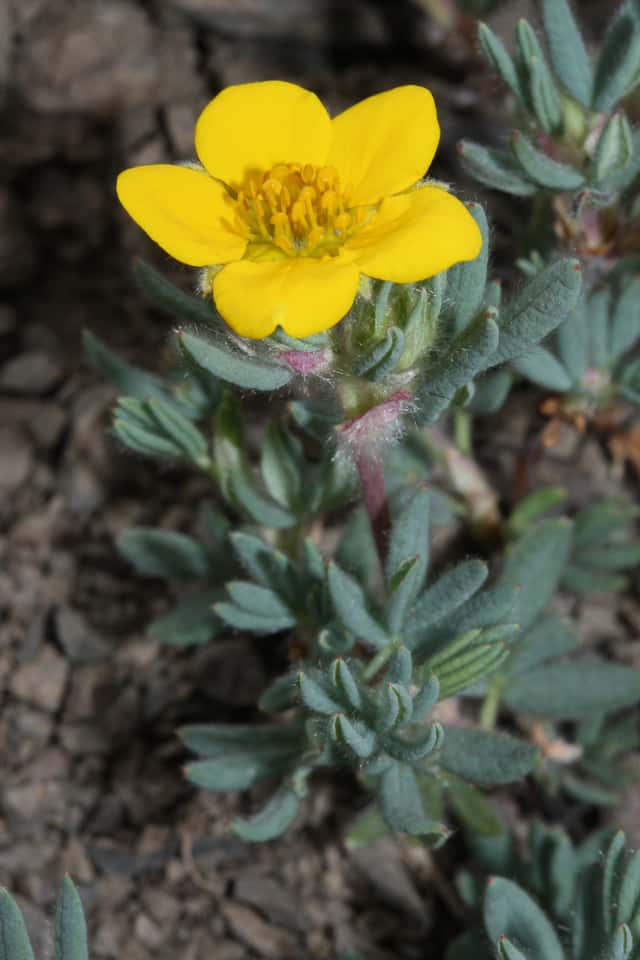
Shrubby Cinquefoil (Dasiphora fruticosa) is a easy-care plant from the Rosaceae family. Shrubby Cinquefoil (Dasiphora fruticosa, syn. Potentilla fruticosa) is a deciduous shrub in the rose family (Rosaceae), native to the cold and subarctic regions of the Northern Hemisphere, where it often grows in high-altitude alpine areas. It grows to a height of approximately 0.5–1.2 m, featuring...
Shrubby Cinquefoil grows up to 1.2m, spread of 150cm, watering every 7 days, -25°C – 32°C, 30–60% humidity. It is not suitable for indoor environments and safe for pets.
Unlike many tropical plants, Shrubby Cinquefoil tolerates watering mistakes. Best for beginners. Unlike many popular species, Shrubby Cinquefoil is safe to keep around pets.
How to Care for Shrubby Cinquefoil?
TLDR: Shrubby Cinquefoil needs Bright indirect, watering every 7 days, and temperatures between -25-32°C with 30-60% humidity.
How Often Should You Water Shrubby Cinquefoil?
Water regularly, especially during the first year after planting and during dry spells, but avoid waterlogged soil—the plant does not tolerate standing water. Mature, established plants are quite drought-tolerant.
How Much Light Does Shrubby Cinquefoil Need?
It will produce the most flowers in a sunny location with at least 6 hours of direct sunlight per day. It also tolerates partial shade, though flowering will be less abundant.
What Is the Best Soil for Shrubby Cinquefoil?
It prefers well-drained, loamy-sandy soil. It tolerates a wide range of pH levels from slightly acidic to alkaline and can even handle clay soils as long as they are not permanently waterlogged.
What Pot Should You Use for Shrubby Cinquefoil?
If grown in a container (e.g., on a terrace), choose a wider and deeper pot with a sufficient number of drainage holes, ideally made of frost-resistant material (frost-proof ceramic or plastic), as the root ball in a container is exposed to lower temperatures during winter than in the ground.
Care Schedule
Fertilize
Every 365 days
What Is Shrubby Cinquefoil and Where Does It Come From?
Shrubby Cinquefoil (Dasiphora fruticosa, syn. Potentilla fruticosa) is a deciduous shrub in the rose family (Rosaceae), native to the cold and subarctic regions of the Northern Hemisphere, where it often grows in high-altitude alpine areas. It grows to a height of approximately 0.5–1.2 m, featuring small, pinnately compound leaves with a gray-green to dark green color, and blooms with small, saucer-shaped flowers from spring until the first frosts. It is exceptionally resistant to both frost and drought, making it one of the most low-maintenance ornamental woody plants for gardens and parks.
How to Propagate Shrubby Cinquefoil?
How Big Does Shrubby Cinquefoil Grow?
TLDR: Shrubby Cinquefoil can reach up to 1.2m tall with Medium growth rate.
Max height
1.2m
Spread
1.5m
Growth rate
Medium
Foliage
Deciduous
Plant Uses
Ornamental
Great for decoration
Medicinal
Medicinal properties
Edible
Can be consumed
Medicinal Uses
- Tea made from dried leaves is traditionally used for digestive issues
- Root juice is traditionally used for digestive problems
Culinary Uses
- Dried leaves are used as a black tea substitute, especially in high-altitude regions
Is your plant showing symptoms?
Click on the symptom to discover possible causes:
What Diseases Commonly Affect Shrubby Cinquefoil?
TLDR: Shrubby Cinquefoil is susceptible to 6 known diseases. Monitor regularly for early detection.
Powdery Mildew
Powdery mildew is a common fungal disease caused by various fungi species including Erysiphe, Podosphaera, Oïdium, and Leveillula. It affects over 10,000 plant species worldwide. The disease thrives in warm, dry climates with high humidity and appears as a distinctive white powdery coating on plant surfaces.
Root Rot
Root rot is a serious fungal disease that affects the root system of plants, causing them to decay and die. It is primarily caused by overwatering, poor drainage, or soil-borne fungi such as Pythium, Phytophthora, Rhizoctonia, and Fusarium. The disease thrives in waterlogged conditions where roots are deprived of oxygen, making them susceptible to fungal infection.
Rust
Rust is a common fungal disease caused by fungi in the order Pucciniales that affects a wide variety of plants. The disease gets its name from the characteristic orange, yellow, or reddish-brown pustules that appear on leaves, resembling metal rust. This obligate fungal parasite requires living plants to survive and can cause significant economic losses in agricultural crops.
Leaf Spot
Leaf spot is a common fungal disease caused by various pathogens including Alternaria, Ascochyta, Colletotrichum, Septoria, and Venturia. It primarily affects leaves, causing discolored spots that can lead to premature leaf drop if left untreated.
Meaning & Symbolism
It symbolizes resilience and endurance—it blooms from spring until the first frosts and easily survives harsh winters and dry summers.
Compare with similar plants
| Attribute | Difficulty | Light | Watering | Pet Safe |
|---|---|---|---|---|
| Field Maple | Easy | Bright indirect | 14d | ✓ |
| Silver Birch | Easy | Direct sun | 14d | ✓ |
| Common Blanketflower | Easy | Direct sun | 10d | ✓ |
| Cushion Bush | Easy | Direct sun | 14d | ✓ |
Choose & Compare
Sources & References
- Potentilla fruticosa - Missouri Botanical Garden Plant Finder
- Dasiphora fruticosa - Plants For A Future (PFAF) Database
- Shrubby cinquefoil - The Morton Arboretum
- Shrubby cinquefoil (Dasiphora fruticosa) Care Guide - ForwardPlant
- Ako pestovať nátržník krovitý - Záhrada.sk
- Nátržníkovec krovitý - Moje Rastliny





