Malvaceae
Silver Linden (Tilia tomentosa)
Tilia tomentosa
Grow Silver Linden in full sun in fertile, deep, well-drained soil, watering deeply and regularly during its first one to two establishment years. Once established, it is reasonably drought-tolerant and low-maintenance, benefiting from light structural pruning in early spring and again after flowering.
Every 7 days
Bright indirect
-34° - 35°C
% - %
Categories
What is Silver Linden?
Silver Linden (Tilia tomentosa) is a easy-care plant from the Malvaceae family. Silver Linden (Tilia tomentosa) is a large deciduous shade tree native to southeastern Europe and western Asia, including Albania, Bulgaria, Greece, Hungary, Romania, and Turkey. A member of the Malvaceae family, it is widely planted as a street, park, and specimen tree thanks to its dense, broad-py...
Silver Linden grows up to 21.3m, spread of 1200cm, watering every 7 days, -34°C – 35°C. It is not suitable for indoor environments and safe for pets.
Unlike many tropical plants, Silver Linden tolerates watering mistakes. Best for beginners. Unlike many popular species, Silver Linden is safe to keep around pets.
How to Care for Silver Linden?
TLDR: Silver Linden needs Bright indirect, watering every 7 days, and temperatures between -34-35°C with 40-70% humidity.
How Often Should You Water Silver Linden?
Water deeply once or twice a week during the first one to two years after planting, letting the top of the soil dry slightly between waterings. Established trees tolerate dry spells and usually rely on rainfall alone, except during prolonged drought.
How Much Light Does Silver Linden Need?
Prefers full sun with at least 6 hours of direct light daily, but tolerates partial shade (2-6 hours of sun). In very hot climates, some afternoon shade helps prevent leaf scorch.
What Is the Best Soil for Silver Linden?
Adapts to sandy, loamy, or clay soils as long as they are well-drained. Prefers neutral to mildly alkaline pH (6.0-8.0) and fertile, moist soil, but tolerates compacted urban soils and moderate salinity well.
What Pot Should You Use for Silver Linden?
Not suitable for container growing given its large mature size; plant directly in the ground in an open area away from foundations and utility lines, with enough room for canopy and root development.
What Is Silver Linden and Where Does It Come From?
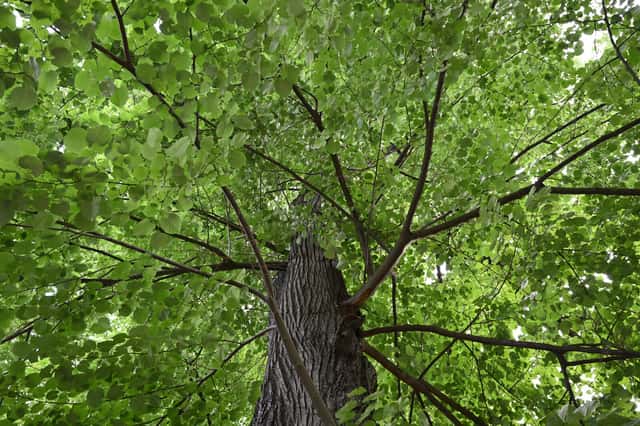
Silver Linden (Tilia tomentosa) is a large deciduous shade tree native to southeastern Europe and western Asia, including Albania, Bulgaria, Greece, Hungary, Romania, and Turkey. A member of the Malvaceae family, it is widely planted as a street, park, and specimen tree thanks to its dense, broad-pyramidal canopy and outstanding tolerance of urban pollution, heat, and road salt. Its heart-shaped leaves are dark green above and covered with a fine silvery-white down beneath, creating a shimmering effect when stirred by the wind — the source of its common name. From late spring into summer the tree produces hanging clusters of small, creamy-yellow, intensely fragrant, nectar-rich flowers that are highly attractive to bees and other pollinators. It typically reaches 50-70 ft (15-21 m) tall, occasionally up to 100 ft (30 m), with a spread of 30-50 ft (9-15 m), and grows at a rapid rate.
How to Propagate Silver Linden?
Seed propagation
Linden seed germination is notoriously slow and inconsistent; most nurseries prefer grafting or layering for uniform results.
- 1 Collect ripe seeds in fall while still attached to their winged bracts
- 2 Cold-warm-cold stratify for several months to break double dormancy
- 3 Sow in well-drained media and keep in a cool, shaded location
- 4 Wait for germination, which can be slow and uneven
Materials needed:
Ground layering
This is the most reliable traditional method for propagating lindens, used for centuries in European nurseries.
- 1 Select a low, flexible branch near the base of the tree
- 2 Wound the bark lightly where it will touch the soil
- 3 Bend the branch down to the ground and cover the wounded section with soil, keeping it moist
- 4 Wait for roots to form before separating from the parent tree
Materials needed:
Grafting
Used commercially to propagate selected cultivars such as 'Green Mountain' and 'Sterling'.
- 1 Select a vigorous, compatible Tilia rootstock
- 2 Collect dormant scion wood from the desired cultivar in winter
- 3 Perform whip-and-tongue or bud grafting depending on technique
- 4 Protect the graft union until it has fully healed
Materials needed:
How Big Does Silver Linden Grow?
TLDR: Silver Linden can reach up to 21.3m tall with Fast growth rate.
Max height
21.3m
Spread
12.0m
Growth rate
Fast
Foliage
Deciduous
Plant Uses
Ornamental
Great for decoration
Medicinal
Medicinal properties
Aromatic
Pleasant fragrance
Air Purifying
Improves air quality
Medicinal Uses
- Calming flower tea for anxiety and insomnia
- Cold and fever relief through mild sweat-inducing action
- Gentle digestive aid and anti-inflammatory
Culinary Uses
- Flowers used to brew linden (tilleul) tea
Is your plant showing symptoms?
Click on the symptom to discover possible causes:
What Diseases Commonly Affect Silver Linden?
TLDR: Silver Linden is susceptible to 8 known diseases. Monitor regularly for early detection.
Powdery Mildew
Powdery mildew is a common fungal disease caused by various fungi species including Erysiphe, Podosphaera, Oïdium, and Leveillula. It affects over 10,000 plant species worldwide. The disease thrives in warm, dry climates with high humidity and appears as a distinctive white powdery coating on plant surfaces.
Verticillium Wilt
Verticillium wilt is a soil-borne fungal disease caused primarily by the fungi Verticillium dahliae and V. albo-atrum. These pathogens infect plant roots and grow within the vascular tissues, blocking water and nutrient transport, resulting in wilting and eventual plant death. The disease affects over 350 plant species including vegetables, fruits, ornamental flowers, and trees. The fungi can survive in soil for more than 10 years as resistant structures called microsclerotia.
Aphids
Aphids are small, soft-bodied, pear-shaped insects (1/16 to 1/8 inch long) that feed by sucking nutrient-rich sap from plants. They reproduce rapidly and can quickly weaken plants, causing distorted growth and transmitting plant viruses. Aphids come in various colors including green, black, red, yellow, brown, and gray. They secrete honeydew, a sticky substance that attracts ants and encourages sooty mold growth.
Leafminers
Leafminers are the larvae of various insects including flies, moths, sawflies, and beetles that tunnel between leaf surfaces, creating distinctive serpentine trails or blotchy patches. While primarily cosmetic, severe infestations can weaken plants by reducing photosynthesis capacity and making them susceptible to secondary infections.
Meaning & Symbolism
The linden is considered a sacred tree across many European cultures. In pagan Slavic mythology, the lipa (linden) was revered as a sacred tree, and it remains the national emblem of the Czech Republic, Slovakia, and Slovenia. In German folklore it is known as the "tree of lovers," a symbol of romance and courtship. In Greek mythology the linden was associated with Zeus, representing protection and hospitality, and was traditionally planted in public squares as a symbol of peace and community.
Fun Facts
The species name 'tomentosa' refers to the silvery down covering the leaf undersides, which shimmers in the wind
It is the national emblem of the Czech Republic, Slovakia, and Slovenia
Its fragrant flowers are a major nectar source for bees in late spring and early summer
The fuzzy leaf undersides give it natural resistance to Japanese beetles, unlike most other linden species
Frequently asked questions
Is Silver Linden toxic to dogs and cats?
How often should I water Silver Linden?
How fast does Silver Linden grow?
Is Silver Linden resistant to pests and diseases?
Compare with similar plants
| Attribute | Difficulty | Light | Watering | Pet Safe |
|---|---|---|---|---|
| Field Maple | Easy | Bright indirect | 14d | ✓ |
| Silver Birch | Easy | Direct sun | 14d | ✓ |
| Common Blanketflower | Easy | Direct sun | 10d | ✓ |
| Cushion Bush | Easy | Direct sun | 14d | ✓ |
Choose & Compare
Sources & References
- NC State Extension Gardener Plant Toolbox - Tilia tomentosa
- The Morton Arboretum - Silver Linden
- Backyard Gardener - Tilia tomentosa (Silver Linden)
- ASPCA - Toxic and Non-Toxic Plants: Linden
- Plants For A Future - Tilia tomentosa
- Missouri Botanical Garden Plant Finder - Tilia tomentosa
- Wikipedia - Lime tree in culture
- Healthline - Linden Tea Benefits





