Asteraceae
Silverpuff: Medicinal Uses & Care Tips
Chaptalia nutans
It is a hardy and easy-to-grow plant, adapted to shaded and humid environments but tolerant of dry periods. It prefers soil rich in organic matter, well-drained, and partial shade to partial sun. It is not typically grown as an indoor ornamental plant, being more common in gardens, medicinal herb plots, and semi-natural outdoor areas.
Every 6 days
Partial shade
12° - 32°C
60% - 85%
Categories
What is Silverpuff?
Silverpuff (Chaptalia nutans) is a easy-care plant from the Asteraceae family. Silverpuff (Chaptalia nutans) is a perennial herb native to Brazil and the Asteraceae family. It is stemless (acaulescent) with leaves arranged in a basal rosette; these leaves are entire or slightly toothed, dark green on top, and whitish and velvety underneath due to a dense layer of hairs. Its fl...
Silverpuff grows up to 30cm, spread of 25cm, watering every 6 days, 12°C – 32°C, 60–85% humidity. It is not suitable for indoor environments and safe for pets.
Unlike many tropical plants, Silverpuff tolerates watering mistakes. Best for beginners. Unlike many popular species, Silverpuff is safe to keep around pets.
How to Care for Silverpuff?
TLDR: Silverpuff needs Partial shade, watering every 6 days, and temperatures between 12-32°C with 60-85% humidity.
How Often Should You Water Silverpuff?
Water moderately, keeping the soil slightly moist but not waterlogged—the plant tolerates dry spells well, especially during the dry season.
How Much Light Does Silverpuff Need?
Grow in partial shade or filtered light, mimicking its natural habitat under the forest canopy; avoid strong, direct sun for long periods.
What Is the Best Soil for Silverpuff?
Prefers fertile soil rich in organic matter and well-drained; pasture soils and open fields also support the species well.
What Pot Should You Use for Silverpuff?
As it is a low-growing rosette plant, it adapts well to wide, shallow pots that accommodate its fibrous root system; prioritize pots with good drainage.
What Is Silverpuff and Where Does It Come From?
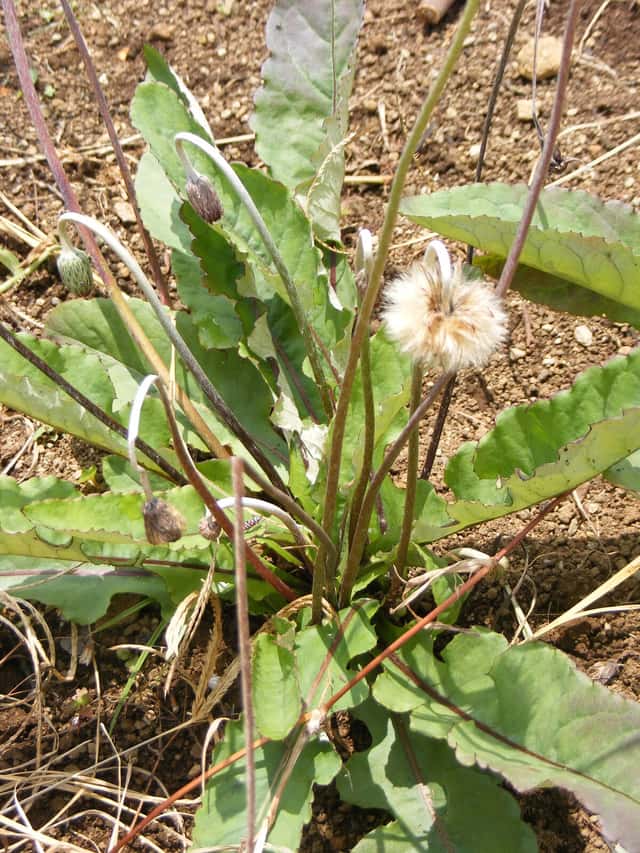
Silverpuff (Chaptalia nutans) is a perennial herb native to Brazil and the Asteraceae family. It is stemless (acaulescent) with leaves arranged in a basal rosette; these leaves are entire or slightly toothed, dark green on top, and whitish and velvety underneath due to a dense layer of hairs. Its flower stalks emerge from the center of the rosette, supporting flower heads of pale pink, nodding flowers (a characteristic that gave rise to the scientific name "nutans," meaning "drooping"). It is very common in pastures, lawns, and vacant lots in tropical and subtropical climates, blooming mainly between October and January in Brazil, and is traditionally used as a medicinal plant in backyards and herbal gardens.
How to Propagate Silverpuff?
How Big Does Silverpuff Grow?
TLDR: Silverpuff can reach up to 30cm tall with Medium growth rate.
Max height
30cm
Spread
25cm
Growth rate
Medium
Foliage
Evergreen
Plant Uses
Medicinal
Medicinal properties
Medicinal Uses
- Traditionally used in infusions and decoctions of the leaves, flowers, and roots for coughs, phlegm, bronchitis, headaches, muscle pain, bruises, sprains, insomnia, urinary conditions, and wound healing (topical and oral use, under professional guidance).
Is your plant showing symptoms?
Click on the symptom to discover possible causes:
What Diseases Commonly Affect Silverpuff?
TLDR: Silverpuff is susceptible to 6 known diseases. Monitor regularly for early detection.
Powdery Mildew
Powdery mildew is a common fungal disease caused by various fungi species including Erysiphe, Podosphaera, Oïdium, and Leveillula. It affects over 10,000 plant species worldwide. The disease thrives in warm, dry climates with high humidity and appears as a distinctive white powdery coating on plant surfaces.
Rust
Rust is a common fungal disease caused by fungi in the order Pucciniales that affects a wide variety of plants. The disease gets its name from the characteristic orange, yellow, or reddish-brown pustules that appear on leaves, resembling metal rust. This obligate fungal parasite requires living plants to survive and can cause significant economic losses in agricultural crops.
Aphids
Aphids are small, soft-bodied, pear-shaped insects (1/16 to 1/8 inch long) that feed by sucking nutrient-rich sap from plants. They reproduce rapidly and can quickly weaken plants, causing distorted growth and transmitting plant viruses. Aphids come in various colors including green, black, red, yellow, brown, and gray. They secrete honeydew, a sticky substance that attracts ants and encourages sooty mold growth.
Slugs and Snails
Slugs and snails are mollusks that feed on plant tissue, causing irregular holes in leaves and damage to young seedlings. They are most active at night and in moist conditions, leaving characteristic silvery slime trails. These pests can quickly devastate gardens, especially during wet seasons.
Meaning & Symbolism
In Brazilian folk medicine, Silverpuff symbolizes home healing and care passed down through generations, being one of the most remembered herbs in the backyards and medicinal gardens of rural Brazil.
Compare with similar plants
| Attribute | Difficulty | Light | Watering | Pet Safe |
|---|---|---|---|---|
| Field Maple | Easy | Bright indirect | 14d | ✓ |
| Silver Birch | Easy | Direct sun | 14d | ✓ |
| Common Blanketflower | Easy | Direct sun | 10d | ✓ |
| Cushion Bush | Easy | Direct sun | 14d | ✓ |
Choose & Compare
Sources & References
- Arnica língua-de-vaca - Horto Didático UFSC
- Chaptalia nutans - Wikipedia
- Língua de Vaca (Chaptalia nutans) - Brasil Holístico
- Phytochemical Analysis, Antioxidant Activity, Antimicrobial Activity, and Cytotoxicity of Chaptalia nutans Leaves - PMC
- Língua de vaca (Chaptalia nutans) - Agrolink
- Chaptalia nutans Polak: Root Extract Has High In Vitro Antioxidant Activity and Low Cytotoxicity In Vivo





