Amaranthaceae
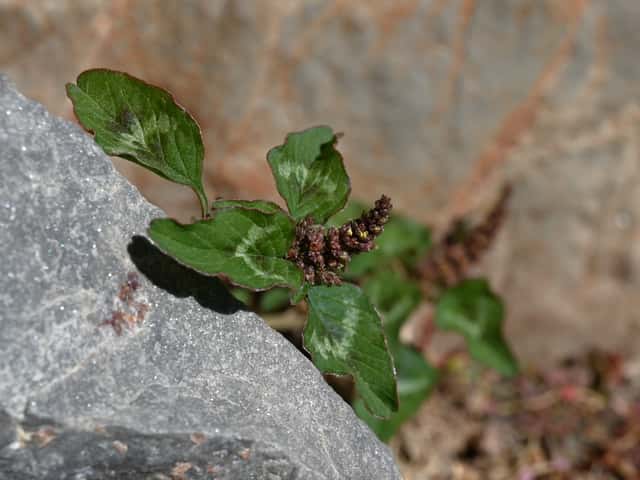
Slender Amaranth (Amaranthus viridis)
Amaranthus viridis
A tough, fast-growing plant that thrives in full sun with regular watering and well-drained, fertile soil. Leaves are typically harvested around 60 days after sowing, while still young and tender.
Every 3 days
Direct sun
10° - 35°C
% - %
Categories
What is Slender amaranth?
Slender amaranth (Amaranthus viridis) is a easy-care plant from the Amaranthaceae family. Slender amaranth (Amaranthus viridis) is an annual herb in the Amaranthaceae family, native to the tropical Americas and now naturalized as a cosmopolitan weed worldwide. It grows upright, 60-80 cm tall, with branching stems from the base, ovate leaves 3-6 cm long, and small green flowers borne in t...
Slender amaranth grows up to 80cm, watering every 3 days, 10°C – 35°C. It is not suitable for indoor environments and safe for pets.
Unlike many tropical plants, Slender amaranth tolerates watering mistakes. Best for beginners. Unlike many popular species, Slender amaranth is safe to keep around pets.
How to Care for Slender amaranth?
TLDR: Slender amaranth needs Direct sun, watering every 3 days, and temperatures between 10-35°C with 40-70% humidity.
How Often Should You Water Slender amaranth?
Water regularly to keep the soil lightly moist, especially during dry spells, but avoid waterlogging — excess moisture encourages root rot.
How Much Light Does Slender amaranth Need?
Needs full sun, at least 6-8 hours of direct light daily; in heavy shade growth becomes weak and leggy.
What Is the Best Soil for Slender amaranth?
Grows best in fertile, organically rich, well-drained soil with a neutral to mildly alkaline pH.
What Pot Should You Use for Slender amaranth?
Best grown directly in garden beds; if potted, use a large, deep container with good drainage since the plant develops a taproot.
What Is Slender amaranth and Where Does It Come From?
Slender amaranth (Amaranthus viridis) is an annual herb in the Amaranthaceae family, native to the tropical Americas and now naturalized as a cosmopolitan weed worldwide. It grows upright, 60-80 cm tall, with branching stems from the base, ovate leaves 3-6 cm long, and small green flowers borne in terminal panicles. It is both a leafy vegetable, cooked and eaten like spinach in many tropical cuisines, and a common agricultural weed.
How to Propagate Slender amaranth?
Direct sowing
Seeds are extremely small; mix them with fine sand for a more even sowing.
- 1 Sow directly in the final growing spot after the last frost, in loose, fertile soil
- 2 Cover seeds lightly, as they need very shallow planting to germinate
- 3 Keep the soil moist until germination, which takes 5-10 days
- 4 Thin seedlings to 15-20 cm apart once established
Materials needed:
How Big Does Slender amaranth Grow?
TLDR: Slender amaranth can reach up to 80cm tall with Fast growth rate.
Max height
80cm
Growth rate
Fast
Foliage
Deciduous
Plant Uses
Edible
Can be consumed
Medicinal
Medicinal properties
Medicinal Uses
- Traditionally used to treat dysentery and inflammation
- Used as a vermifuge and emollient in folk medicine
- Root juice traditionally used for urinary inflammation
- Traditionally taken for constipation relief
Culinary Uses
- Young leaves cooked as a spinach substitute
- Leaves and shoots used in tropical soups and stir-fries
- Seeds eaten as a grain, ground into porridge, or used in breads and biscuits
Is your plant showing symptoms?
Click on the symptom to discover possible causes:
What Diseases Commonly Affect Slender amaranth?
TLDR: Slender amaranth is susceptible to 8 known diseases. Monitor regularly for early detection.
Spider Mites
Spider mites are tiny arachnids (less than 1/20 inch long) related to spiders and ticks that feed on plant sap. They thrive in hot, dry conditions and can cause significant damage to ornamental and vegetable plants. During severe infestations, crop losses can reach 14% or higher as these pests disrupt vital plant processes including photosynthesis, carbon dioxide absorption, and transpiration.
Aphids
Aphids are small, soft-bodied, pear-shaped insects (1/16 to 1/8 inch long) that feed by sucking nutrient-rich sap from plants. They reproduce rapidly and can quickly weaken plants, causing distorted growth and transmitting plant viruses. Aphids come in various colors including green, black, red, yellow, brown, and gray. They secrete honeydew, a sticky substance that attracts ants and encourages sooty mold growth.
Powdery Mildew
Powdery mildew is a common fungal disease caused by various fungi species including Erysiphe, Podosphaera, Oïdium, and Leveillula. It affects over 10,000 plant species worldwide. The disease thrives in warm, dry climates with high humidity and appears as a distinctive white powdery coating on plant surfaces.
Root Rot
Root rot is a serious fungal disease that affects the root system of plants, causing them to decay and die. It is primarily caused by overwatering, poor drainage, or soil-borne fungi such as Pythium, Phytophthora, Rhizoctonia, and Fusarium. The disease thrives in waterlogged conditions where roots are deprived of oxygen, making them susceptible to fungal infection.
Fun Facts
The genus name Amaranthus comes from the Greek "amarantos", meaning "unfading"
It is regarded both as a nutritious vegetable and as an aggressive agricultural weed
The leaves are rich in vitamins A and C, iron, and calcium
In traditional Ayurvedic medicine it is known by the Sanskrit name "Tanduliya"
Frequently asked questions
Is slender amaranth edible?
Is slender amaranth toxic to pets?
How often should I water slender amaranth?
Does slender amaranth need full sun?
How do you propagate slender amaranth?
Compare with similar plants
| Attribute | Difficulty | Light | Watering | Pet Safe |
|---|---|---|---|---|
| Field Maple | Easy | Bright indirect | 14d | ✓ |
| Silver Birch | Easy | Direct sun | 14d | ✓ |
| Common Blanketflower | Easy | Direct sun | 10d | ✓ |
| Cushion Bush | Easy | Direct sun | 14d | ✓ |
Choose & Compare
Sources & References
- Amaranthus viridis - Wikipedia
- Amaranthus viridis - PFAF Plant Database
- How To Grow Amaranthus viridis - EarthOne
- Green Amaranth Care Guide - Plantiary
- Slender Amaranth Care 101 - Greg
- How to Grow and Care for Green amaranth - PictureThis
- Grain Amaranth Pests and Diseases - NAFIS
- Green amaranth - Botanical Realm
- Amaranthus viridis - ficha CONABIO
- Caruru - Wikipedia PT
- Caruru comum - Agrolink
- Amaranthus viridis L. - WIKTROP





