Asparagaceae
Hosta sieboldii - Small-Leaved Plantain Lily
Hosta sieboldii
Grow in partial to full shade with moist, fertile, well-drained soil rich in organic matter. Water regularly to keep the soil evenly moist, especially during dry spells, but avoid waterlogging. Divide clumps every few years in early spring to maintain vigor and control spread. Watch for slugs and snails, the most persistent pests of hostas.
Every 5 days
Low light
-34° - 30°C
50% - 70%
Categories
What is Small-Leaved Plantain Lily?
Small-Leaved Plantain Lily (Hosta sieboldii) is a easy-care plant from the Asparagaceae family. Hosta sieboldii, the small-leaved plantain lily, is a compact, clump-forming perennial native to East Asia and prized in shade gardens for its narrow, lance-shaped leaves with mid-green centers and creamy white margins. In mid to late summer it sends up slender flower stems bearing funnel-shaped, la...
Small-Leaved Plantain Lily grows up to 45cm, spread of 40cm, watering every 5 days, -34°C – 30°C, 50–70% humidity. It is not suitable for indoor environments and not safe for pets.
Unlike many tropical plants, Small-Leaved Plantain Lily tolerates watering mistakes. Best for beginners. Without precautions, ingestion can cause irritation in pets. Keep out of reach of cats and dogs.
How to Care for Small-Leaved Plantain Lily?
TLDR: Small-Leaved Plantain Lily needs Low light, watering every 5 days, and temperatures between -34-30°C with 50-70% humidity.
How Often Should You Water Small-Leaved Plantain Lily?
Keep soil consistently moist but never soggy; water deeply whenever the top inch of soil starts to dry out, and increase frequency during hot, dry weather.
How Much Light Does Small-Leaved Plantain Lily Need?
Thrives in partial to full shade; morning sun is tolerated but hot afternoon sun scorches the leaves, so avoid direct exposure.
What Is the Best Soil for Small-Leaved Plantain Lily?
Plant in rich, organic, humus-heavy soil that drains well; amend heavy clay with compost to improve structure and moisture retention.
What Pot Should You Use for Small-Leaved Plantain Lily?
Wide, shallow containers that accommodate the spreading root system; unglazed terracotta or ceramic pots with good drainage holes work well.
Care Schedule
Fertilize
Every 60 days
Repot
Every 1095 days
What Is Small-Leaved Plantain Lily and Where Does It Come From?
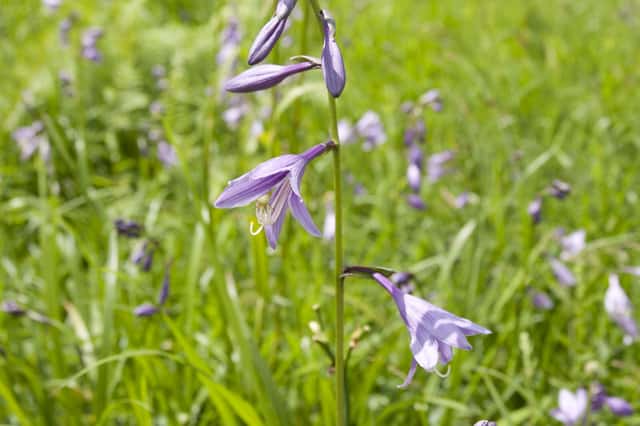
Hosta sieboldii, the small-leaved plantain lily, is a compact, clump-forming perennial native to East Asia and prized in shade gardens for its narrow, lance-shaped leaves with mid-green centers and creamy white margins. In mid to late summer it sends up slender flower stems bearing funnel-shaped, lavender blooms above the tidy foliage mound. Unlike its larger cousin Hosta sieboldiana, this species stays compact, making it an excellent choice for borders, woodland edges, and containers in partly shaded corners.
How to Propagate Small-Leaved Plantain Lily?
Clump Division
Divide every 3-4 years to keep clumps vigorous and to propagate new plants. Avoid dividing during hot summer weather to reduce transplant stress.
- 1 Dig up the entire clump in early spring before new growth fully unfurls
- 2 Gently shake or wash off excess soil to expose the crown and roots
- 3 Use a clean, sharp knife or spade to divide the crown into sections, each with several eyes and healthy roots
- 4 Replant divisions immediately at the same depth in prepared, moist, organic-rich soil
- 5 Water thoroughly after replanting and keep soil consistently moist until new growth establishes
Materials needed:
How Big Does Small-Leaved Plantain Lily Grow?
TLDR: Small-Leaved Plantain Lily can reach up to 45cm tall with Slow growth rate.
Max height
45cm
Spread
40cm
Growth rate
Slow
Foliage
Deciduous
Warning: Toxic Plant
This plant can be toxic if ingested. Keep out of reach of:
Plant Uses
Ornamental
Great for decoration
Ground Cover
Soil coverage
Edible
Can be consumed
Culinary Uses
- Young petioles (shoots) are peeled, parboiled, and eaten in traditional Japanese cuisine as a spring vegetable called urui, typically chopped and served over rice or lightly blanched.
Is your plant showing symptoms?
Click on the symptom to discover possible causes:
What Diseases Commonly Affect Small-Leaved Plantain Lily?
TLDR: Small-Leaved Plantain Lily is susceptible to 3 known diseases. Monitor regularly for early detection.
Slugs and Snails
Slugs and snails are mollusks that feed on plant tissue, causing irregular holes in leaves and damage to young seedlings. They are most active at night and in moist conditions, leaving characteristic silvery slime trails. These pests can quickly devastate gardens, especially during wet seasons.
Crown Rot
Crown rot is a serious fungal disease that attacks the crown (base) of the plant where the stem meets the soil. It is caused by various fungal pathogens including Phytophthora, Fusarium, and Rhizoctonia. The disease thrives in waterlogged conditions and can quickly spread to kill the entire plant if not addressed promptly.
Leaf Spot
Leaf spot is a common fungal disease caused by various pathogens including Alternaria, Ascochyta, Colletotrichum, Septoria, and Venturia. It primarily affects leaves, causing discolored spots that can lead to premature leaf drop if left untreated.
Meaning & Symbolism
In Japanese garden tradition, Hosta sieboldii is valued for the calm and texture it brings to shaded corners, symbolizing tranquility, patience, and quiet resilience; its young shoots, harvested as a spring vegetable called urui, also carry associations with renewal and the arrival of spring.
Fun Facts
Its young shoots are harvested in Japan as a springtime vegetable called urui.
The species name honors Philipp Franz von Siebold, a 19th-century botanist who studied Japanese flora.
Unlike many hostas, its narrow white-edged leaves make it one of the smaller, more delicate species in the genus.
Frequently asked questions
Is Hosta sieboldii toxic to pets?
How much light does Hosta sieboldii need?
How often should I water Hosta sieboldii?
What is the biggest pest threat to Hosta sieboldii?
Can I grow Hosta sieboldii in a container?
Compare with similar plants
| Attribute | Difficulty | Light | Watering | Pet Safe |
|---|---|---|---|---|
| Field Maple | Easy | Bright indirect | 14d | ✓ |
| Silver Birch | Easy | Direct sun | 14d | ✓ |
| Common Blanketflower | Easy | Direct sun | 10d | ✓ |
| Cushion Bush | Easy | Direct sun | 14d | ✓ |





