Cactaceae
Snake Cactus, Junco, Queen of the Night: Edible Plant
Nyctocereus serpentinus
Medium-difficulty plant requiring bright, filtered light, well-draining soil, and infrequent watering with complete drying periods between irrigations. Prefers arid conditions with low humidity (max 40%). Requires frost protection (minimum temperature 15°C) and structural support (trellis or fence) for proper growth. Flowers appear in late summer after 4-5 years in cultivation.
Every 14 days
Partial shade
15° - 29°C
% - 40%
Categories
What is Snake Cactus, Junco, Queen of the Night?
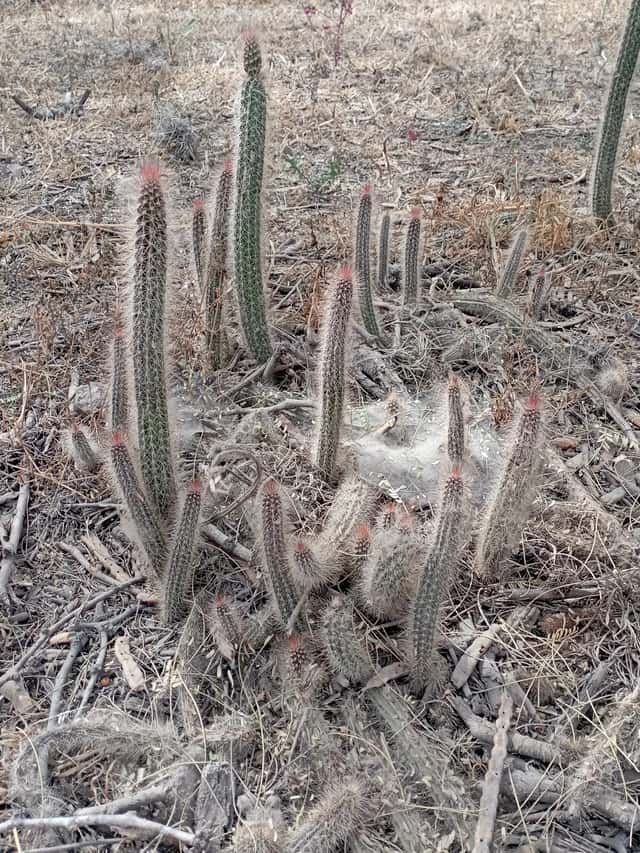
Snake Cactus, Junco, Queen of the Night (Nyctocereus serpentinus) is a medium-care plant from the Cactaceae family. Nyctocereus serpentinus is a night-blooming climbing cactus native to southern Mexico (Michoacán, Morelos, Oaxaca), belonging to the Cactaceae family. The plant features long, sinuous, spiny stems (up to 3 meters) that initially grow upright but sprawl horizontally without support. It is highly priz...
Snake Cactus, Junco, Queen of the Night grows up to 3.0m, watering every 14 days, 15°C – 29°C. It is suitable for indoor environments and safe for pets.
Unlike many popular species, Snake Cactus, Junco, Queen of the Night is safe to keep around pets. Without adequate drainage, root rot can develop within 28 days.
How to Care for Snake Cactus, Junco, Queen of the Night?
TLDR: Snake Cactus, Junco, Queen of the Night needs Partial shade, watering every 14 days, and temperatures between 15-29°C with 40-40% humidity.
How Often Should You Water Snake Cactus, Junco, Queen of the Night?
Water thoroughly when soil is completely dry. Reduce watering significantly during winter dormancy. Avoid waterlogging to prevent root rot. Ensure excess water drains freely from the pot. Allow excess water to drain from the pot.
How Much Light Does Snake Cactus, Junco, Queen of the Night Need?
Thrives in bright, indirect sunlight. Avoid harsh, direct sun all day which damages leaves and causes reddish discoloration. Provide vertical or horizontal support structures (trellis, stakes) to guide sprawling, vine-like growth.
What Is the Best Soil for Snake Cactus, Junco, Queen of the Night?
Use well-draining cactus-specific soil composed of equal parts sand, perlite, and topsoil. Avoid heavy clay soils that retain excessive moisture. Clay pots with drainage holes are preferable to plastic; darker pots are recommended.
What Pot Should You Use for Snake Cactus, Junco, Queen of the Night?
Terracotta or clay pot with drainage holes, preferably in dark tones. Cylindrical or conical shape to accommodate trailing, vine-like growth habit.
Care Schedule
Fertilize
Every 60 days
Rotate
Every 30 days
Repot
Every 730 days
What Is Snake Cactus, Junco, Queen of the Night and Where Does It Come From?
Nyctocereus serpentinus is a night-blooming climbing cactus native to southern Mexico (Michoacán, Morelos, Oaxaca), belonging to the Cactaceae family. The plant features long, sinuous, spiny stems (up to 3 meters) that initially grow upright but sprawl horizontally without support. It is highly prized for its spectacular large white, funnel-shaped flowers measuring up to 15 cm in diameter that open at night with an intense, seductive fragrance. These nocturnal blooms attract pollinators including moths, bats, and bees. The plant produces edible fruits that change from green to bright red, ripening primarily from August to October. Widely cultivated in warm climates for its ornamental value and aromatic night-blooming flowers, this species combines functional beauty with practical food production.
How Big Does Snake Cactus, Junco, Queen of the Night Grow?
TLDR: Snake Cactus, Junco, Queen of the Night can reach up to 3.0m tall with Slow growth rate.
Max height
3.0m
Growth rate
Slow
Foliage
Evergreen
Plant Uses
Ornamental
Great for decoration
Edible
Can be consumed
Culinary Uses
- Edible fruit harvested and consumed locally in Mexico
- Sweet-flavored round fruit flesh
Is your plant showing symptoms?
Click on the symptom to discover possible causes:
What Diseases Commonly Affect Snake Cactus, Junco, Queen of the Night?
TLDR: Snake Cactus, Junco, Queen of the Night is susceptible to 9 known diseases. Monitor regularly for early detection.
Root Rot
Root rot is a serious fungal disease that affects the root system of plants, causing them to decay and die. It is primarily caused by overwatering, poor drainage, or soil-borne fungi such as Pythium, Phytophthora, Rhizoctonia, and Fusarium. The disease thrives in waterlogged conditions where roots are deprived of oxygen, making them susceptible to fungal infection.
Overwatering
Overwatering occurs when plants receive too much water, depriving roots of oxygen and causing root rot. This environmental stress is one of the most common causes of houseplant death, as waterlogged soil prevents roots from breathing and functioning properly.
Crown Rot
Crown rot is a serious fungal disease that attacks the crown (base) of the plant where the stem meets the soil. It is caused by various fungal pathogens including Phytophthora, Fusarium, and Rhizoctonia. The disease thrives in waterlogged conditions and can quickly spread to kill the entire plant if not addressed promptly.
Bacterial Soft Rot
Bacterial soft rot is a destructive plant disease caused primarily by bacteria from the genera Pectobacterium (formerly Erwinia) and Dickeya. These bacteria produce enzymes that break down plant cell walls, causing rapid and foul-smelling tissue decomposition. It mainly affects succulent tissues such as tubers, fruits, stems, and bulbs, being especially problematic in warm and humid conditions.
Meaning & Symbolism
Nocturnal beauty, spiritual awakening, delayed flowering, transformation
Compare with similar plants
| Attribute | Difficulty | Light | Watering | Pet Safe |
|---|---|---|---|---|
| Dark Fieldcap | Medium | Low light | 2d | ⚠️ |
| Azalea | Medium | Partial shade | 3d | ⚠️ |
| Muriel's Bamboo | Medium | Partial shade | 3d | ✓ |
| Bougainvillea | Medium | Direct sun | 7d | ⚠️ |
Choose & Compare
Sources & References
- Serpent Cactus (Nyctocereus Serpentinus) Care Guide
- How to Plant, Grow, and Care For Night Blooming Cereus
- Peniocereus serpentinus - Botanico Hub
- Peniocereus serpentinus - The Ruth Bancroft Garden & Nursery
- Nyctocereus serpentinus - Wikimedia Commons
- Peniocereus Species - Dave's Garden
- How to save a rotting cactus - Succulents Box




