Asparagaceae
Spanish Bayonet (Yucca aloifolia)
Yucca aloifolia
Spanish Bayonet is an extremely low-maintenance, drought-tolerant plant that thrives in full sun and sandy, well-draining soil. Water sparingly — every 1–2 weeks in summer, much less in winter. Avoid overwatering at all costs. Fertilize lightly in spring. Prune dead leaves annually.
Every 14 days
Direct sun
7° - 38°C
20% - 60%
Categories
What is Spanish Bayonet?
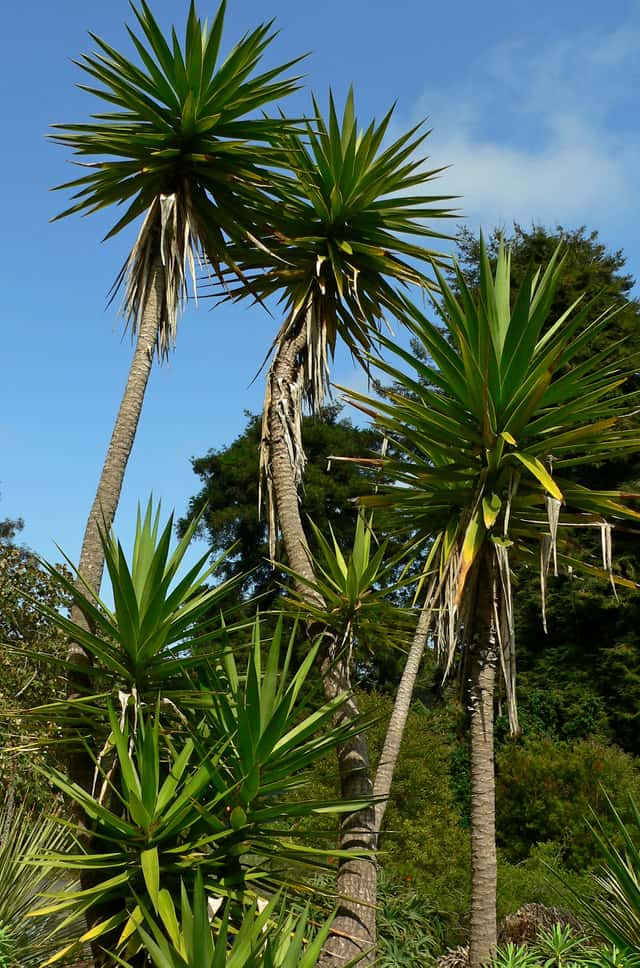
Spanish Bayonet (Yucca aloifolia) is a easy-care plant from the Asparagaceae family. Yucca aloifolia, commonly known as Spanish Bayonet, is a striking evergreen shrub or small tree native to the southeastern United States, Mexico, and the Caribbean. It features stiff, sword-like leaves with razor-sharp tips that form a dramatic rosette atop a woody trunk. In summer, it produces tall...
Spanish Bayonet grows up to 4.6m, spread of 122cm, watering every 14 days, 7°C – 38°C, 20–60% humidity. It is not suitable for indoor environments and not safe for pets.
Unlike many tropical plants, Spanish Bayonet tolerates watering mistakes. Best for beginners. Without precautions, ingestion can cause irritation in pets. Keep out of reach of cats and dogs.
How to Care for Spanish Bayonet?
TLDR: Spanish Bayonet needs Direct sun, watering every 14 days, and temperatures between 7-38°C with 20-60% humidity.
How Often Should You Water Spanish Bayonet?
Water every 14 days during the growing season and reduce to once a month or less in winter. Always allow the soil to dry out completely between waterings. Yucca aloifolia is highly susceptible to root rot from overwatering.
How Much Light Does Spanish Bayonet Need?
Requires full direct sun — at least 6–8 hours per day. Place outdoors in an open, sunny position. If grown in a container, ensure it receives maximum light. It will not thrive indoors.
What Is the Best Soil for Spanish Bayonet?
Plant in sandy, gritty, or well-draining soil with a pH of 5.5–7.5. Avoid clay or water-retentive mixes. A cactus/succulent blend amended with extra perlite or pumice is ideal.
What Pot Should You Use for Spanish Bayonet?
Terracotta or stone pots with large drainage holes are ideal for container growing. Avoid plastic or glazed pots that retain moisture. Choose a wide, heavy base to support the tall form.
Care Schedule
Fertilize
Every 90 days
What Is Spanish Bayonet and Where Does It Come From?
Yucca aloifolia, commonly known as Spanish Bayonet, is a striking evergreen shrub or small tree native to the southeastern United States, Mexico, and the Caribbean. It features stiff, sword-like leaves with razor-sharp tips that form a dramatic rosette atop a woody trunk. In summer, it produces tall spikes of creamy white bell-shaped flowers that attract pollinators. Its bold architectural form makes it a popular choice for xeriscape gardens, coastal landscapes, and as a natural security barrier.
How to Propagate Spanish Bayonet?
Seed propagation
Fresh seeds germinate best. Stratification is not required but soaking overnight can improve germination rates.
- 1 Collect fresh seeds from mature seed pods
- 2 Sow seeds in well-draining sandy mix
- 3 Keep moist and warm at 70°F (21°C)
- 4 Transplant seedlings once 2-3 inches tall
Materials needed:
Offset division
Choose offsets that are at least 6 inches tall for best success. Avoid watering for the first week after planting.
- 1 Identify offsets (pups) growing at the base of the mother plant
- 2 Using a clean sharp knife, cut the offset close to the base
- 3 Allow the cut to callous for 24–48 hours
- 4 Plant in well-draining sandy soil and water sparingly
Materials needed:
Root cutting
Use only healthy, firm roots. Avoid waterlogged conditions during rooting.
- 1 Cut a section of healthy root in late winter
- 2 Allow cut end to dry for 1–2 days
- 3 Plant horizontally in sandy substrate, 2 inches deep
- 4 Keep lightly moist until new growth appears
Materials needed:
How Big Does Spanish Bayonet Grow?
TLDR: Spanish Bayonet can reach up to 4.6m tall with Slow growth rate.
Max height
4.6m
Spread
1.2m
Growth rate
Slow
Foliage
Evergreen
Warning: Toxic Plant
This plant can be toxic if ingested. Keep out of reach of:
Plant Uses
Ornamental
Great for decoration
Is your plant showing symptoms?
Click on the symptom to discover possible causes:
What Diseases Commonly Affect Spanish Bayonet?
TLDR: Spanish Bayonet is susceptible to 6 known diseases. Monitor regularly for early detection.
Root Rot
Root rot is a serious fungal disease that affects the root system of plants, causing them to decay and die. It is primarily caused by overwatering, poor drainage, or soil-borne fungi such as Pythium, Phytophthora, Rhizoctonia, and Fusarium. The disease thrives in waterlogged conditions where roots are deprived of oxygen, making them susceptible to fungal infection.
Leaf Spot
Leaf spot is a common fungal disease caused by various pathogens including Alternaria, Ascochyta, Colletotrichum, Septoria, and Venturia. It primarily affects leaves, causing discolored spots that can lead to premature leaf drop if left untreated.
Fusarium Wilt
Fusarium wilt is a serious fungal disease caused by the soil-borne fungus Fusarium oxysporum. The fungus invades roots and blocks the water-conducting vessels (xylem) of the plant, causing progressive wilting and eventual death. Host-specific forms of the pathogen exist that attack different plant species.
Scale Insects
Scale insects are small sap-sucking pests that appear as brown, shell-like bumps on plant stems and leaves. There are over 25 species, divided into armored (hard) and unarmored (soft) scales. They feed by piercing plant tissue and extracting sap, which weakens the plant and can lead to yellowing, stunted growth, and even death if left untreated. They also excrete honeydew, which attracts ants and promotes sooty mold growth.
Meaning & Symbolism
A symbol of protection, resilience, and strength. Historically planted as a natural fence or boundary marker in southern landscapes.
Fun Facts
Spanish Bayonet can live for several decades and its trunk, which develops over time, can reach over 12 feet tall.
The flowers of Yucca aloifolia are edible and were traditionally eaten by Native American tribes.
Its razor-sharp leaf tips gave rise to its common name — the leaves can pierce skin like a bayonet.
Yucca aloifolia has a unique relationship with the yucca moth, which is its primary pollinator.
Frequently asked questions
How often should I water Spanish Bayonet?
Is Spanish Bayonet toxic to pets?
Can Spanish Bayonet grow indoors?
When does Spanish Bayonet bloom?
How fast does Yucca aloifolia grow?
Compare with similar plants
| Attribute | Difficulty | Light | Watering | Pet Safe |
|---|---|---|---|---|
| Field Maple | Easy | Bright indirect | 14d | ✓ |
| Silver Birch | Easy | Direct sun | 14d | ✓ |
| Common Blanketflower | Easy | Direct sun | 10d | ✓ |
| Cushion Bush | Easy | Direct sun | 14d | ✓ |





