Didiereaceae
Portulacaria: Spekboom Care Guide
Portulacaria
Give spekboom bright, direct light, water only after the soil has dried out completely, and plant it in a fast-draining succulent mix. It grows steadily through spring and summer, tolerates neglect well, and needs protection from frost.
Every 14 days
Bright indirect
-1° - 35°C
20% - 50%
Categories
What is Spekboom?
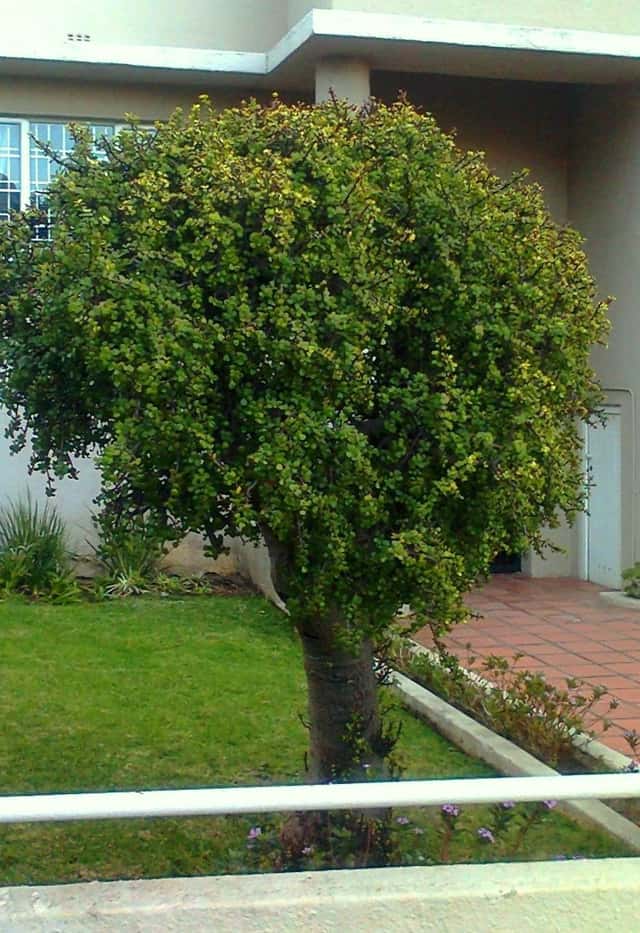
Spekboom (Portulacaria) is a easy-care plant from the Didiereaceae family. Portulacaria is a small genus of semi-woody succulent shrubs native to South Africa, represented almost entirely by its popular species, commonly called spekboom or elephant bush. Prized for its thick, glossy jade-green leaves and reddish-brown stems, it forms a compact, low-maintenance shrub that t...
Spekboom grows up to 3.0m, spread of 200cm, watering every 14 days, -1°C – 35°C, 20–50% humidity. It is suitable for indoor environments and safe for pets.
Unlike many tropical plants, Spekboom tolerates watering mistakes. Best for beginners. Unlike many popular species, Spekboom is safe to keep around pets. Without adequate drainage, root rot can develop within 28 days.
How to Care for Spekboom?
TLDR: Spekboom needs Bright indirect, watering every 14 days, and temperatures between -1-35°C with 20-50% humidity.
How Often Should You Water Spekboom?
Water thoroughly, then let the soil dry out completely before watering again, roughly every two weeks during the growing season and less often in winter. Overwatering is the most common cause of problems.
How Much Light Does Spekboom Need?
Place in bright, direct light, such as a south-facing window indoors or full sun outdoors. Low light causes leggy, weak growth.
What Is the Best Soil for Spekboom?
Use a well-draining cactus or succulent mix with added perlite or coarse sand to prevent waterlogged roots.
What Pot Should You Use for Spekboom?
An unglazed terracotta pot or any container with drainage holes helps keep the roots dry.
Care Schedule
Fertilize
Every 28 days
Repot
Every 730 days
What Is Spekboom and Where Does It Come From?
Portulacaria is a small genus of semi-woody succulent shrubs native to South Africa, represented almost entirely by its popular species, commonly called spekboom or elephant bush. Prized for its thick, glossy jade-green leaves and reddish-brown stems, it forms a compact, low-maintenance shrub that thrives in bright light and tolerates long dry spells. Popular as a houseplant, bonsai subject, and drought-tolerant landscaping choice, spekboom is also celebrated in its homeland for its remarkable ability to capture carbon from the atmosphere.
How to Propagate Spekboom?
Stem Cutting
Use clean, sharp tools and avoid watering until the cutting has callused, since fresh cuts rot easily in moist soil.
- 1 Cut a healthy 8-10 cm stem section with a few leaves
- 2 Let the cut end callus over for two to three days in a dry, shaded spot
- 3 Insert the callused end into a well-draining succulent mix
- 4 Water lightly once roots establish, then follow normal watering routine
Materials needed:
How Big Does Spekboom Grow?
TLDR: Spekboom can reach up to 3.0m tall with Medium growth rate.
Max height
3.0m
Spread
2.0m
Growth rate
Medium
Foliage
Semi-evergreen
Plant Uses
Ornamental
Great for decoration
Edible
Can be consumed
Medicinal
Medicinal properties
Medicinal Uses
- Traditionally applied to the skin to soothe sunburn, blisters, and minor irritations in South Africa
Culinary Uses
- Tart, lemony leaves eaten raw in salads and soups, or used to add flavor in traditional South African dishes
Is your plant showing symptoms?
Click on the symptom to discover possible causes:
What Diseases Commonly Affect Spekboom?
TLDR: Spekboom is susceptible to 7 known diseases. Monitor regularly for early detection.
Root Rot
Root rot is a serious fungal disease that affects the root system of plants, causing them to decay and die. It is primarily caused by overwatering, poor drainage, or soil-borne fungi such as Pythium, Phytophthora, Rhizoctonia, and Fusarium. The disease thrives in waterlogged conditions where roots are deprived of oxygen, making them susceptible to fungal infection.
Overwatering
Overwatering occurs when plants receive too much water, depriving roots of oxygen and causing root rot. This environmental stress is one of the most common causes of houseplant death, as waterlogged soil prevents roots from breathing and functioning properly.
Mealybugs
Mealybugs are small, soft-bodied insects covered with a white, waxy, cottony material. They are common pests of houseplants and outdoor plants in mild climates. These sap-sucking insects feed on plant tissue, causing damage, stunted growth, and can lead to plant death if left untreated. They produce sticky honeydew which attracts sooty mold.
Spider Mites
Spider mites are tiny arachnids (less than 1/20 inch long) related to spiders and ticks that feed on plant sap. They thrive in hot, dry conditions and can cause significant damage to ornamental and vegetable plants. During severe infestations, crop losses can reach 14% or higher as these pests disrupt vital plant processes including photosynthesis, carbon dioxide absorption, and transpiration.
Meaning & Symbolism
A symbol of resilience, abundance, and environmental renewal in South Africa, often given as a gift representing prosperity and healing.
Fun Facts
A single hectare of spekboom thicket in South Africa can capture several tonnes of carbon dioxide per year, making it one of the most efficient plants for combating climate change
Despite its resemblance to the jade plant (Crassula ovata), Portulacaria is unrelated and completely non-toxic to pets
Elephants, tortoises, and kudu all feed on wild Portulacaria in South Africa, which is how it earned the name elephant bush
Frequently asked questions
How often should I water spekboom?
Is Portulacaria toxic to cats and dogs?
Why are the leaves of my spekboom falling off?
Can Portulacaria be grown as a bonsai?
Compare with similar plants
| Attribute | Difficulty | Light | Watering | Pet Safe |
|---|---|---|---|---|
| Field Maple | Easy | Bright indirect | 14d | ✓ |
| Silver Birch | Easy | Direct sun | 14d | ✓ |
| Common Blanketflower | Easy | Direct sun | 10d | ✓ |
| Cushion Bush | Easy | Direct sun | 14d | ✓ |





