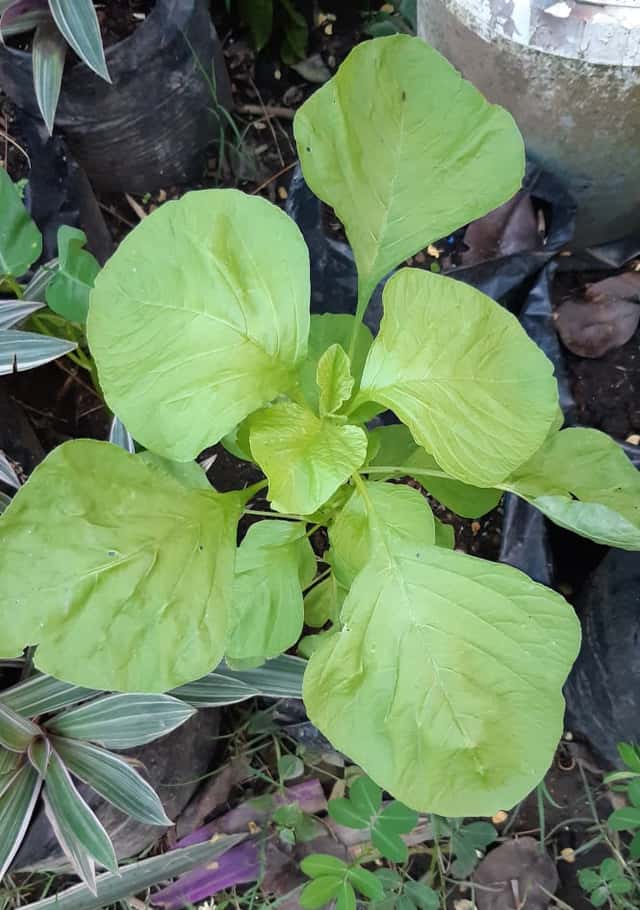
Amaranthaceae
Spinach (Spinacia): Complete Growing Guide
Spinacia
Spinach thrives in cool weather with frequent, consistent watering and rich, well-drained soil high in organic matter. It grows best in full sun to partial shade and is sensitive to heat, which triggers premature bolting.
Every 2 days
Partial shade
4° - 24°C
% - %
Categories
What is Spinach?
Spinach (Spinacia) is a easy-care plant from the Amaranthaceae family. Spinacia is the botanical genus of spinach, a leafy annual vegetable in the family Amaranthaceae (formerly Chenopodiaceae), native to central and southwestern Asia. The cultivated species, Spinacia oleracea, is the genus's sole widely grown member and is prized for its fast growth, tender nutrient-d...
Spinach grows up to 30cm, spread of 30cm, watering every 2 days, 4°C – 24°C. It is suitable for indoor environments and not safe for pets.
Unlike many tropical plants, Spinach tolerates watering mistakes. Best for beginners. Without precautions, ingestion can cause irritation in pets. Keep out of reach of cats and dogs. Without adequate drainage, root rot can develop within 7 days.
How to Care for Spinach?
TLDR: Spinach needs Partial shade, watering every 2 days, and temperatures between 4-24°C with 40-70% humidity.
How Often Should You Water Spinach?
Water roughly every 2 days, keeping the soil evenly moist but never waterlogged; water in the morning so foliage dries before nightfall to reduce fungal disease risk.
How Much Light Does Spinach Need?
Give spinach 3-4 hours of direct sun daily; it tolerates partial shade, which is helpful in hot climates to delay bolting.
What Is the Best Soil for Spinach?
Use fertile, well-drained soil rich in organic matter with a neutral pH (6.0-8.0); avoid acidic or compacted soils.
What Pot Should You Use for Spinach?
Wide, shallow containers (20-25 cm / 8-10 in) with good drainage work well for balcony or container growing.
Care Schedule
Fertilize
Every 21 days
What Is Spinach and Where Does It Come From?
Spinacia is the botanical genus of spinach, a leafy annual vegetable in the family Amaranthaceae (formerly Chenopodiaceae), native to central and southwestern Asia. The cultivated species, Spinacia oleracea, is the genus's sole widely grown member and is prized for its fast growth, tender nutrient-dense leaves, and adaptability to cool climates. It is one of the most popular leafy greens worldwide, eaten raw in salads or cooked in countless dishes.
How to Propagate Spinach?
Direct sowing
Avoid sowing when temperatures exceed 24°C (75°F), as heat inhibits germination and promotes premature bolting. Fall or early spring sowings work best.
- 1 Sow seeds directly in their final spot, 0.5-1 cm deep
- 2 Space seeds 5-8 cm apart in rows 20-30 cm apart
- 3 Keep soil consistently moist until germination, which takes 7-14 days in cool conditions
- 4 Thin seedlings to the strongest plants once they have 2-3 true leaves
Materials needed:
How Big Does Spinach Grow?
TLDR: Spinach can reach up to 30cm tall with Fast growth rate.
Max height
30cm
Spread
30cm
Growth rate
Fast
Foliage
Deciduous
Warning: Toxic Plant
This plant can be toxic if ingested. Keep out of reach of:
Plant Uses
Edible
Can be consumed
Medicinal Uses
- Traditionally valued as a source of iron and vitamins A, C and K, often associated with combating anemia
Culinary Uses
- Eaten raw in salads
- Sauteed or steamed as a side dish
- Used in soups, quiches and stuffed dishes
- Blended into juices and green smoothies
Is your plant showing symptoms?
Click on the symptom to discover possible causes:
What Diseases Commonly Affect Spinach?
TLDR: Spinach is susceptible to 10 known diseases. Monitor regularly for early detection.
Downy Mildew
Downy mildew is a fungal-like disease caused by oomycetes (water molds) that thrives in cool, wet conditions. It affects a wide range of plants, causing yellowing leaves with fuzzy white-gray growth underneath, leading to defoliation and reduced yields if left untreated.
Powdery Mildew
Powdery mildew is a common fungal disease caused by various fungi species including Erysiphe, Podosphaera, Oïdium, and Leveillula. It affects over 10,000 plant species worldwide. The disease thrives in warm, dry climates with high humidity and appears as a distinctive white powdery coating on plant surfaces.
Damping Off
Damping off is a soil-borne fungal disease that affects seeds and young seedlings, causing rotting of stem and root tissues at and below the soil line. It is caused by several fungi including Pythium, Rhizoctonia, Fusarium, and Phytophthora. The disease thrives in cold, wet conditions with poor air circulation.
Leaf Spot
Leaf spot is a common fungal disease caused by various pathogens including Alternaria, Ascochyta, Colletotrichum, Septoria, and Venturia. It primarily affects leaves, causing discolored spots that can lead to premature leaf drop if left untreated.
Fun Facts
Despite the popular Popeye legend, spinach does not actually have exceptional iron content — the myth traces back to a decimal-point error in a 19th-century study.
Spinach is a long-day plant: it bolts to flower as days grow longer and warmer.
Spinach leaves keep growing even near freezing temperatures and tolerate light frost.
Frequently asked questions
How often should I water spinach?
Is spinach toxic to cats and dogs?
Why is my spinach bolting early?
What are the most common spinach diseases?
Compare with similar plants
| Attribute | Difficulty | Light | Watering | Pet Safe |
|---|---|---|---|---|
| Field Maple | Easy | Bright indirect | 14d | ✓ |
| Silver Birch | Easy | Direct sun | 14d | ✓ |
| Common Blanketflower | Easy | Direct sun | 10d | ✓ |
| Cushion Bush | Easy | Direct sun | 14d | ✓ |





