Onagraceae
Square-stemmed Willowherb Care Guide
Epilobium tetragonum
A hardy, low-maintenance perennial that thrives in full sun to light shade with consistently moist, well-drained soil. Tolerant of a wide range of soil types, from sandy to clay, and largely free of serious pests or diseases. Not toxic to humans or pets.
Every 3 days
Bright indirect
° - °C
% - %
Categories
What is Square-stemmed Willowherb?
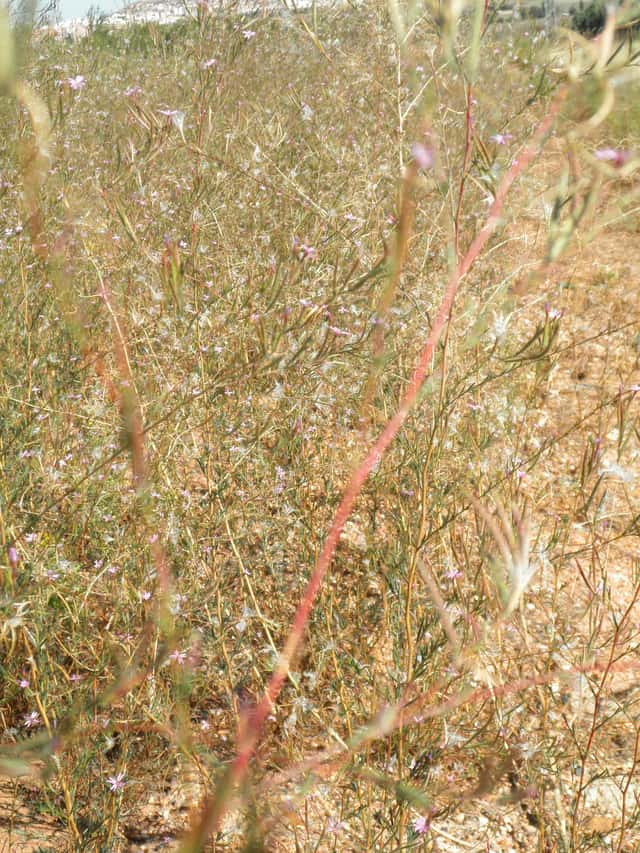
Square-stemmed Willowherb (Epilobium tetragonum) is a easy-care plant from the Onagraceae family. Epilobium tetragonum, known as square-stemmed willowherb, is an erect perennial wildflower native to Europe and western Asia, easily recognized by its hairless stem with four raised ridges arranged in a tetragonal pattern. It grows 30-130 cm tall and bears clusters of small pink-purple flowers with...
Square-stemmed Willowherb grows up to 1.3m, watering every 3 days. It is not suitable for indoor environments and safe for pets.
Unlike many tropical plants, Square-stemmed Willowherb tolerates watering mistakes. Best for beginners. Unlike many popular species, Square-stemmed Willowherb is safe to keep around pets.
How to Care for Square-stemmed Willowherb?
TLDR: Square-stemmed Willowherb needs Bright indirect, watering every 3 days, and temperatures between 15-30°C with 40-70% humidity.
How Often Should You Water Square-stemmed Willowherb?
Keep the soil evenly moist; this plant is drought-intolerant and performs best in damp conditions such as near a pond edge or in a moisture-retentive border.
How Much Light Does Square-stemmed Willowherb Need?
Grows best in full sun but tolerates light, dappled shade, especially in light woodland settings.
What Is the Best Soil for Square-stemmed Willowherb?
Adapts to sandy, loamy or clay soils as long as they stay moisture-retentive; prefers a pH from mildly acid to mildly alkaline.
What Is Square-stemmed Willowherb and Where Does It Come From?
Epilobium tetragonum, known as square-stemmed willowherb, is an erect perennial wildflower native to Europe and western Asia, easily recognized by its hairless stem with four raised ridges arranged in a tetragonal pattern. It grows 30-130 cm tall and bears clusters of small pink-purple flowers with notched petals from July to September. Found naturally in damp woodland clearings, hedgebanks, ditches and streamsides, it adapts readily to garden borders and wildflower meadows.
How to Propagate Square-stemmed Willowherb?
Seed sowing
Self-seeds readily once established, so deadhead spent flowers if you want to control spread.
- 1 Collect ripe seed in late summer or buy fresh seed
- 2 Sow seed in situ in early spring or as soon as ripe
- 3 Keep soil moist until germination
- 4 Thin seedlings once they have their first true leaves
Materials needed:
Division
Water well after dividing and keep soil consistently moist while new roots establish.
- 1 Lift an established clump in spring or autumn
- 2 Split the rootstock into sections with healthy shoots and roots
- 3 Replant larger divisions directly into moist soil
- 4 Pot smaller divisions in a cold frame until well rooted before transplanting
Materials needed:
How Big Does Square-stemmed Willowherb Grow?
TLDR: Square-stemmed Willowherb can reach up to 1.3m tall with Fast growth rate.
Max height
1.3m
Growth rate
Fast
Foliage
Deciduous
Plant Uses
Edible
Can be consumed
Ornamental
Great for decoration
Culinary Uses
- Young leaves cooked and eaten as a leaf vegetable
Is your plant showing symptoms?
Click on the symptom to discover possible causes:
What Diseases Commonly Affect Square-stemmed Willowherb?
TLDR: Square-stemmed Willowherb is susceptible to 8 known diseases. Monitor regularly for early detection.
Powdery Mildew
Powdery mildew is a common fungal disease caused by various fungi species including Erysiphe, Podosphaera, Oïdium, and Leveillula. It affects over 10,000 plant species worldwide. The disease thrives in warm, dry climates with high humidity and appears as a distinctive white powdery coating on plant surfaces.
Rust
Rust is a common fungal disease caused by fungi in the order Pucciniales that affects a wide variety of plants. The disease gets its name from the characteristic orange, yellow, or reddish-brown pustules that appear on leaves, resembling metal rust. This obligate fungal parasite requires living plants to survive and can cause significant economic losses in agricultural crops.
Leaf Spot
Leaf spot is a common fungal disease caused by various pathogens including Alternaria, Ascochyta, Colletotrichum, Septoria, and Venturia. It primarily affects leaves, causing discolored spots that can lead to premature leaf drop if left untreated.
Slugs and Snails
Slugs and snails are mollusks that feed on plant tissue, causing irregular holes in leaves and damage to young seedlings. They are most active at night and in moist conditions, leaving characteristic silvery slime trails. These pests can quickly devastate gardens, especially during wet seasons.
Fun Facts
Its square, four-ridged stem is the source of both its scientific epithet tetragonum and its common name.
The flowers have distinctly notched petals, a feature shared with other willowherbs in the genus Epilobium.
Young leaves have traditionally been cooked and eaten as a leaf vegetable in parts of its native range.
Frequently asked questions
Is square-stemmed willowherb toxic to pets?
How often should I water square-stemmed willowherb?
Does square-stemmed willowherb spread aggressively?
What type of soil does it need?
Compare with similar plants
| Attribute | Difficulty | Light | Watering | Pet Safe |
|---|---|---|---|---|
| Field Maple | Easy | Bright indirect | 14d | ✓ |
| Silver Birch | Easy | Direct sun | 14d | ✓ |
| Common Blanketflower | Easy | Direct sun | 10d | ✓ |
| Cushion Bush | Easy | Direct sun | 14d | ✓ |





