Cucurbitaceae
Squirting cucumber: Full Sun Plant
Ecballium elaterium
Grows easily in full sun, poor and well-drained soil, with minimal water requirements. Very hardy and expansive, but use caution: the entire plant is toxic, especially the juice from the fruit.
Every 10 days
Direct sun
-5° - 40°C
30% - 60%
Categories
What is Squirting cucumber?
Squirting cucumber (Ecballium elaterium) is a easy-care plant from the Cucurbitaceae family. Ecballium elaterium is a Mediterranean herbaceous plant in the Cucurbitaceae family, known for its oval, bluish-green, bristly fruits. Upon maturity, these fruits detach and forcefully eject their seeds along with a liquid under high internal pressure. It grows in a prostrate or bushy habit, featuri...
Squirting cucumber grows up to 60cm, spread of 120cm, watering every 10 days, -5°C – 40°C, 30–60% humidity. It is not suitable for indoor environments and not safe for pets.
Unlike many tropical plants, Squirting cucumber tolerates watering mistakes. Best for beginners. Without precautions, ingestion can cause irritation in pets. Keep out of reach of cats and dogs.
How to Care for Squirting cucumber?
TLDR: Squirting cucumber needs Direct sun, watering every 10 days, and temperatures between -5-40°C with 30-60% humidity.
How Often Should You Water Squirting cucumber?
Water infrequently; it is highly drought-tolerant and cannot withstand permanently wet soil.
How Much Light Does Squirting cucumber Need?
Full sun; sunny and warm locations promote optimal growth and fruiting.
What Is the Best Soil for Squirting cucumber?
Poor, stony, and very well-drained soil; it has no specific pH requirements.
What Pot Should You Use for Squirting cucumber?
A wide pot with excellent drainage; keep far away from children and pets due to its high toxicity.
What Is Squirting cucumber and Where Does It Come From?
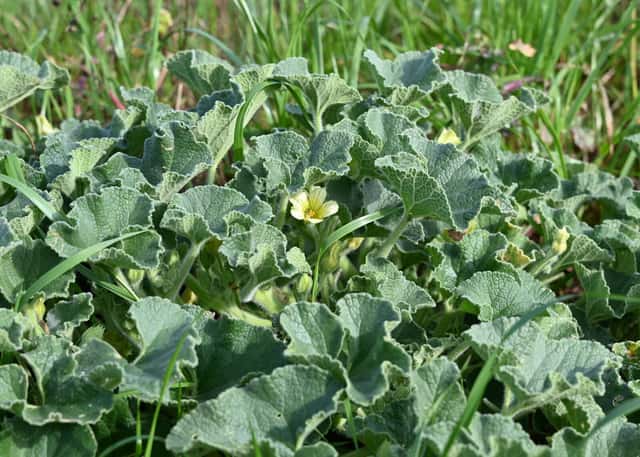
Ecballium elaterium is a Mediterranean herbaceous plant in the Cucurbitaceae family, known for its oval, bluish-green, bristly fruits. Upon maturity, these fruits detach and forcefully eject their seeds along with a liquid under high internal pressure. It grows in a prostrate or bushy habit, featuring rough triangular leaves and small yellow flowers. It is considered invasive, and all parts of the plant are toxic.
How Big Does Squirting cucumber Grow?
TLDR: Squirting cucumber can reach up to 60cm tall with Fast growth rate.
Max height
60cm
Spread
1.2m
Growth rate
Fast
Foliage
Deciduous
Warning: Toxic Plant
This plant can be toxic if ingested. Keep out of reach of:
Plant Uses
Ornamental
Great for decoration
Medicinal
Medicinal properties
Medicinal Uses
- Traditionally used as a drastic purgative (elaterium) — extremely toxic, self-administration is not recommended
Is your plant showing symptoms?
Click on the symptom to discover possible causes:
What Diseases Commonly Affect Squirting cucumber?
TLDR: Squirting cucumber is susceptible to 4 known diseases. Monitor regularly for early detection.
Powdery Mildew
Powdery mildew is a common fungal disease caused by various fungi species including Erysiphe, Podosphaera, Oïdium, and Leveillula. It affects over 10,000 plant species worldwide. The disease thrives in warm, dry climates with high humidity and appears as a distinctive white powdery coating on plant surfaces.
Aphids
Aphids are small, soft-bodied, pear-shaped insects (1/16 to 1/8 inch long) that feed by sucking nutrient-rich sap from plants. They reproduce rapidly and can quickly weaken plants, causing distorted growth and transmitting plant viruses. Aphids come in various colors including green, black, red, yellow, brown, and gray. They secrete honeydew, a sticky substance that attracts ants and encourages sooty mold growth.
Mosaic Virus
Mosaic virus is a group of plant viruses that cause mottled, patchy patterns on leaves and can affect a wide variety of plants. The virus creates characteristic yellow, white, and green mosaic patterns, often accompanied by stunted growth and deformed plant parts. This highly contagious disease spreads rapidly through insect vectors and contaminated tools.
Spider Mites
Spider mites are tiny arachnids (less than 1/20 inch long) related to spiders and ticks that feed on plant sap. They thrive in hot, dry conditions and can cause significant damage to ornamental and vegetable plants. During severe infestations, crop losses can reach 14% or higher as these pests disrupt vital plant processes including photosynthesis, carbon dioxide absorption, and transpiration.
Meaning & Symbolism
A symbol of defense and explosive force, due to the spectacular way it disperses its seeds.
Compare with similar plants
| Attribute | Difficulty | Light | Watering | Pet Safe |
|---|---|---|---|---|
| Field Maple | Easy | Bright indirect | 14d | ✓ |
| Silver Birch | Easy | Direct sun | 14d | ✓ |
| Common Blanketflower | Easy | Direct sun | 10d | ✓ |
| Cushion Bush | Easy | Direct sun | 14d | ✓ |





