Fabaceae
Stink bean: Edible Plant
Parkia speciosa
This demanding tree (difficult to cultivate) requires full sun, rich and well-drained soil, as well as the constant heat and humidity typical of the tropics. Sensitive to frost and waterlogging, it requires regular watering without stagnation to prevent root rot.
Every 3 days
Bright indirect
24° - 32°C
% - %
Categories
What is Stink bean?
Stink bean (Parkia speciosa) is a hard-care plant from the Fabaceae family. Parkia speciosa, commonly known as the stink bean, is a large tropical tree in the Fabaceae family, native to the low-altitude rainforests of Southeast Asia. It can reach up to 40 meters in height at maturity and produces long pods containing green seeds that are highly prized in Malaysian, Indonesi...
Stink bean grows up to 40.0m, spread of 1500cm, watering every 3 days, 24°C – 32°C. It is not suitable for indoor environments and safe for pets.
Unlike easy-care plants, Stink bean demands constant attention to humidity and light. Not recommended for beginners. Unlike many popular species, Stink bean is safe to keep around pets.
How to Care for Stink bean?
TLDR: Stink bean needs Bright indirect, watering every 3 days, and temperatures between 24-32°C with 40-70% humidity.
How Often Should You Water Stink bean?
Water approximately every 3 days, keeping the soil moist but well-drained; excess water causes root rot, while a lack of water causes the foliage to wilt and turn brown.
How Much Light Does Stink bean Need?
Provide full sun (6 to 8 hours of direct light) for mature specimens; young plants tolerate partial shade while they are becoming established.
What Is the Best Soil for Stink bean?
Prefer loamy soil, rich in organic matter and well-draining, with a slightly acidic to neutral pH (5.5 to 7.5).
What Pot Should You Use for Stink bean?
Due to its adult size of up to 40m, this tree is not suitable for long-term pot cultivation; reserve a large, deep container only for the seedling phase before planting in the ground.
What Is Stink bean and Where Does It Come From?
Parkia speciosa, commonly known as the stink bean, is a large tropical tree in the Fabaceae family, native to the low-altitude rainforests of Southeast Asia. It can reach up to 40 meters in height at maturity and produces long pods containing green seeds that are highly prized in Malaysian, Indonesian, and Thai cuisines, despite their characteristic sulfurous odor.
How Big Does Stink bean Grow?
TLDR: Stink bean can reach up to 40.0m tall with Medium growth rate.
Max height
40.0m
Spread
15.0m
Foliage
Semi-evergreen
Plant Uses
Edible
Can be consumed
Medicinal
Medicinal properties
Medicinal Uses
- Traditional treatment for diabetes (seeds)
- Relief of kidney pain and disorders
- Root decoction used for hypertension
- Carminative and vermifuge use
- Bark applied to burns and wounds
Culinary Uses
- Seeds eaten raw in 'ulam' (Malaysian salad)
- Stir-fried or steamed seeds
- Half-ripe pods and seeds pickled in brine
- Young leaves eaten raw
Is your plant showing symptoms?
Click on the symptom to discover possible causes:
What Diseases Commonly Affect Stink bean?
TLDR: Stink bean is susceptible to 2 known diseases. Monitor regularly for early detection.
Root Rot
Root rot is a serious fungal disease that affects the root system of plants, causing them to decay and die. It is primarily caused by overwatering, poor drainage, or soil-borne fungi such as Pythium, Phytophthora, Rhizoctonia, and Fusarium. The disease thrives in waterlogged conditions where roots are deprived of oxygen, making them susceptible to fungal infection.
Caterpillars
Caterpillars are the larval stage of moths and butterflies that feed voraciously on plant foliage, stems, flowers, and fruits. Common species include cabbage loopers, tomato hornworms, armyworms, and cutworms. These pests can cause extensive damage by consuming large amounts of plant tissue in a short time. They vary in size from small (1/4 inch) to large (5 inches), with colors ranging from green to brown, often featuring stripes or spots. Caterpillars are highly mobile and can quickly spread throughout gardens, making them one of the most destructive common pests.
Meaning & Symbolism
A culinary emblem of Southeast Asia, the stink bean embodies authenticity and gustatory boldness: its powerful sulfurous smell, far from being off-putting, is perceived locally as a sign of freshness and a strong link to culinary and medicinal traditions.
Compare with similar plants
| Attribute | Difficulty | Light | Watering | Pet Safe |
|---|---|---|---|---|
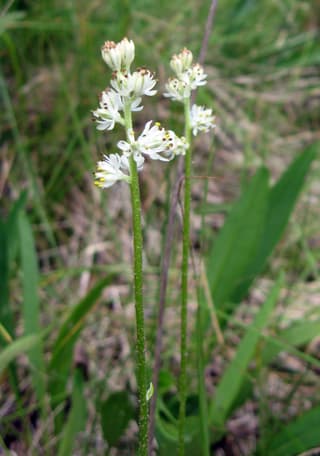
| Sticky false asphodel | Hard | Bright indirect | 1d | ✓ |
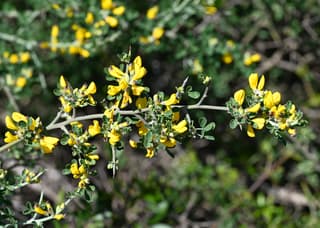
| Hairy Thorny Broom | Easy | Direct sun | 14d | ✓ |
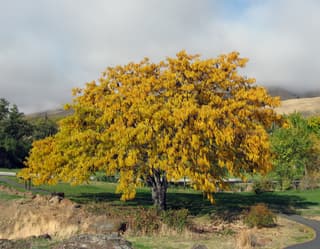
| Honey Locust | Medium | Direct sun | 14d | ✓ |
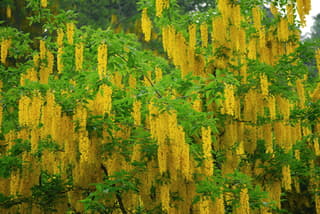
| Scotch laburnum | Medium | Bright indirect | 10d | ⚠️ |