Brassicaceae
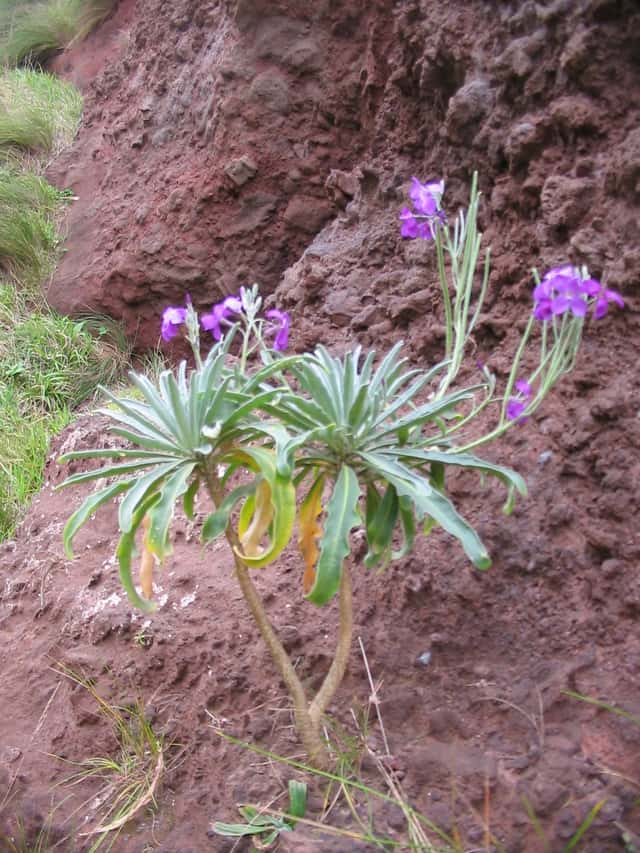
Stock Flower (Matthiola incana): How to Grow and Care
Matthiola incana
Stock flower is an easy-to-grow plant that thrives in full sun, well-draining soil, and regular moderate watering. Perfect for borders, containers, and cutting gardens. Blooms from spring through early summer with intensely fragrant flowers.
Every 3 days
Bright indirect
5° - 27°C
40% - 65%
Categories
What is Stock Flower?
Stock Flower (Matthiola incana) is a easy-care plant from the Brassicaceae family. Matthiola incana, commonly known as stock flower or hoary stock, is an ornamental plant from the Brassicaceae family, native to the Mediterranean region. Prized for its intensely fragrant flowers in shades of white, pink, lavender, purple, and red, it is widely grown in cottage gardens, borders, and...
Stock Flower grows up to 90cm, spread of 45cm, watering every 3 days, 5°C – 27°C, 40–65% humidity. It is not suitable for indoor environments and safe for pets.
Unlike many tropical plants, Stock Flower tolerates watering mistakes. Best for beginners. Unlike many popular species, Stock Flower is safe to keep around pets.
How to Care for Stock Flower?
TLDR: Stock Flower needs Bright indirect, watering every 3 days, and temperatures between 5-27°C with 40-65% humidity.
How Often Should You Water Stock Flower?
Water every 2-3 days, keeping soil evenly moist but never waterlogged. Avoid wetting the foliage to prevent fungal diseases. Reduce watering during cold, rainy periods.
How Much Light Does Stock Flower Need?
Plant in full sun, receiving at least 6 hours of direct sunlight daily. Tolerates light shade, but flowering will be less prolific. Prefers cool climates and struggles in excessive summer heat.
What Is the Best Soil for Stock Flower?
Use fertile, well-draining soil with a slightly alkaline pH (6.0–7.5). Mix garden soil with coarse sand and organic compost. Good drainage is essential to prevent root rot.
What Pot Should You Use for Stock Flower?
Use terracotta or ceramic pots with adequate drainage holes. Medium-sized pots (20-25 cm diameter) are ideal. Avoid dark plastic containers that retain excessive heat.
Care Schedule
Fertilize
Every 30 days
What Is Stock Flower and Where Does It Come From?
Matthiola incana, commonly known as stock flower or hoary stock, is an ornamental plant from the Brassicaceae family, native to the Mediterranean region. Prized for its intensely fragrant flowers in shades of white, pink, lavender, purple, and red, it is widely grown in cottage gardens, borders, and as a cut flower. This biennial or short-lived perennial is typically treated as an annual, blooming in spring and early summer in cool, temperate climates.
How to Propagate Stock Flower?
Seed Sowing
Sow in late summer or early autumn for spring flowering. In warmer regions, start indoors 6-8 weeks before the last frost date.
- 1 Prepare seed trays with fine, well-draining seed compost
- 2 Sow 2-3 seeds per cell at 0.5 cm depth in a shaded location
- 3 Keep substrate lightly moist until germination occurs in 7-14 days
- 4 Transplant seedlings to their final position when 10-15 cm tall
- 5 Space plants 25-30 cm apart to ensure good air circulation
Materials needed:
How Big Does Stock Flower Grow?
TLDR: Stock Flower can reach up to 90cm tall with Medium growth rate.
Max height
90cm
Spread
45cm
Growth rate
Medium
Foliage
Semi-evergreen
Warning: Toxic Plant
This plant can be toxic if ingested. Keep out of reach of:
Plant Uses
Ornamental
Great for decoration
Aromatic
Pleasant fragrance
Culinary Uses
- Edible flowers suitable for garnishing salads and desserts
Is your plant showing symptoms?
Click on the symptom to discover possible causes:
What Diseases Commonly Affect Stock Flower?
TLDR: Stock Flower is susceptible to 7 known diseases. Monitor regularly for early detection.
Aphids
Aphids are small, soft-bodied, pear-shaped insects (1/16 to 1/8 inch long) that feed by sucking nutrient-rich sap from plants. They reproduce rapidly and can quickly weaken plants, causing distorted growth and transmitting plant viruses. Aphids come in various colors including green, black, red, yellow, brown, and gray. They secrete honeydew, a sticky substance that attracts ants and encourages sooty mold growth.
Caterpillars
Caterpillars are the larval stage of moths and butterflies that feed voraciously on plant foliage, stems, flowers, and fruits. Common species include cabbage loopers, tomato hornworms, armyworms, and cutworms. These pests can cause extensive damage by consuming large amounts of plant tissue in a short time. They vary in size from small (1/4 inch) to large (5 inches), with colors ranging from green to brown, often featuring stripes or spots. Caterpillars are highly mobile and can quickly spread throughout gardens, making them one of the most destructive common pests.
Powdery Mildew
Powdery mildew is a common fungal disease caused by various fungi species including Erysiphe, Podosphaera, Oïdium, and Leveillula. It affects over 10,000 plant species worldwide. The disease thrives in warm, dry climates with high humidity and appears as a distinctive white powdery coating on plant surfaces.
Gray Mold (Botrytis Blight)
Gray mold, caused by the fungus Botrytis cinerea, is a widespread necrotrophic pathogen affecting over 1,400 plant species. It thrives in cool, humid conditions and attacks weakened or aging plant tissues, causing soft rot and characteristic gray fuzzy growth.
Meaning & Symbolism
Symbolizes everlasting beauty, elegance, and lasting affection. In the language of flowers, stock represents sincere bonds and enduring love.
Fun Facts
Stock flower has one of the most intense fragrances among garden flowers, especially noticeable in the evening
It has been cultivated in Europe for over 500 years as an ornamental and fragrant flower
The flowers are edible and can be used to garnish salads and desserts
The scientific name Matthiola honors Italian physician and botanist Pietro Andrea Mattioli (1501-1577)
Frequently asked questions
How often should I water stock flower?
Does stock flower need full sun?
Is stock flower toxic to pets?
When does stock flower bloom?
How do I prolong stock flower blooming?
Compare with similar plants
| Attribute | Difficulty | Light | Watering | Pet Safe |
|---|---|---|---|---|
| Field Maple | Easy | Bright indirect | 14d | ✓ |
| Silver Birch | Easy | Direct sun | 14d | ✓ |
| Common Blanketflower | Easy | Direct sun | 10d | ✓ |
| Cushion Bush | Easy | Direct sun | 14d | ✓ |





