Apocynaceae
Suicide tree: Aromatic Plant
Cerbera odollam
A high-difficulty plant, suitable only for expert cultivation and in secure outdoor spaces, far from children and animals. It requires full sun, a warm-humid tropical climate, and rich, well-drained soil kept constantly moist but never waterlogged. It does not tolerate frost. Warning: every part of the plant, particularly the seeds, is lethal if ingested.
Every 10 days
Direct sun
15° - 35°C
50% - 70%
Categories
What is Suicide tree?
Suicide tree (Cerbera odollam) is a hard-care plant from the Apocynaceae family. Cerbera odollam, also known as the suicide tree or pong-pong, is an evergreen tree in the Apocynaceae family, native to the coastal swamps and mangroves of southern India, Madagascar, and Southeast Asia. It can reach 10-12 meters in height, featuring glossy leaves and fragrant white flowers with a y...
Suicide tree grows up to 12.0m, watering every 10 days, 15°C – 35°C, 50–70% humidity. It is not suitable for indoor environments and not safe for pets.
Unlike easy-care plants, Suicide tree demands constant attention to humidity and light. Not recommended for beginners. Without precautions, ingestion can cause irritation in pets. Keep out of reach of cats and dogs.
How to Care for Suicide tree?
TLDR: Suicide tree needs Direct sun, watering every 10 days, and temperatures between 15-35°C with 50-70% humidity.
How Often Should You Water Suicide tree?
Keep the soil uniformly moist during the growing season (spring-summer), allowing the surface layer to dry slightly between waterings. Drastically reduce watering in winter. Avoid water stagnation which promotes root rot; preferably use rainwater or demineralized water.
How Much Light Does Suicide tree Need?
Requires full and direct sun for at least 6-8 hours a day: only with intense light does it produce abundant flowering and a healthy canopy. Indoors, place it in the brightest and sunniest window available, although outdoor cultivation remains preferable.
What Is the Best Soil for Suicide tree?
Prefers sandy-loamy soil, rich in organic matter and well-draining, with a pH from slightly acidic to neutral (6.0-7.5). Good drainage is essential to prevent root rot.
What Pot Should You Use for Suicide tree?
If grown in a pot (only in the juvenile stage, before transplanting into the ground), choose a large and sturdy terracotta container with ample drainage holes to encourage the evaporation of excess moisture. Given its extreme toxicity and the size the plant reaches as an adult, permanent outdoor cultivation in a garden area inaccessible to children and pets is strongly recommended.
Care Schedule
Fertilize
Every 30 days
What Is Suicide tree and Where Does It Come From?
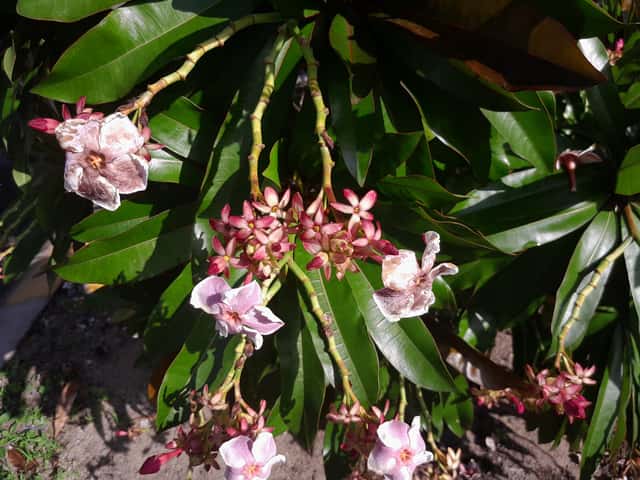
Cerbera odollam, also known as the suicide tree or pong-pong, is an evergreen tree in the Apocynaceae family, native to the coastal swamps and mangroves of southern India, Madagascar, and Southeast Asia. It can reach 10-12 meters in height, featuring glossy leaves and fragrant white flowers with a yellow center. The fruits, which turn from green to red as they ripen, contain a single extremely toxic seed rich in cardiac glycosides (cerberin), capable of stopping the heartbeat even in very small quantities: hence the tragic nickname by which it is known in India.
How Big Does Suicide tree Grow?
TLDR: Suicide tree can reach up to 12.0m tall with Medium growth rate.
Max height
12.0m
Growth rate
Medium
Foliage
Evergreen
Warning: Toxic Plant
This plant can be toxic if ingested. Keep out of reach of:
Plant Uses
Ornamental
Great for decoration
Medicinal
Medicinal properties
Aromatic
Pleasant fragrance
Medicinal Uses
- In Southeast Asian folk medicine, the bark and leaves have historically been used in external preparations for skin problems, but the practice is dangerous and discouraged without expert supervision.
- Cardiac glycosides (cerberin) are the subject of pharmacological studies for their mechanism similar to digoxin, but exclusively within the scope of controlled clinical research, never for domestic use.
Is your plant showing symptoms?
Click on the symptom to discover possible causes:
What Diseases Commonly Affect Suicide tree?
TLDR: Suicide tree is susceptible to 5 known diseases. Monitor regularly for early detection.
Aphids
Aphids are small, soft-bodied, pear-shaped insects (1/16 to 1/8 inch long) that feed by sucking nutrient-rich sap from plants. They reproduce rapidly and can quickly weaken plants, causing distorted growth and transmitting plant viruses. Aphids come in various colors including green, black, red, yellow, brown, and gray. They secrete honeydew, a sticky substance that attracts ants and encourages sooty mold growth.
Mealybugs
Mealybugs are small, soft-bodied insects covered with a white, waxy, cottony material. They are common pests of houseplants and outdoor plants in mild climates. These sap-sucking insects feed on plant tissue, causing damage, stunted growth, and can lead to plant death if left untreated. They produce sticky honeydew which attracts sooty mold.
Scale Insects
Scale insects are small sap-sucking pests that appear as brown, shell-like bumps on plant stems and leaves. There are over 25 species, divided into armored (hard) and unarmored (soft) scales. They feed by piercing plant tissue and extracting sap, which weakens the plant and can lead to yellowing, stunted growth, and even death if left untreated. They also excrete honeydew, which attracts ants and promotes sooty mold growth.
Root Rot
Root rot is a serious fungal disease that affects the root system of plants, causing them to decay and die. It is primarily caused by overwatering, poor drainage, or soil-borne fungi such as Pythium, Phytophthora, Rhizoctonia, and Fusarium. The disease thrives in waterlogged conditions where roots are deprived of oxygen, making them susceptible to fungal infection.
Meaning & Symbolism
Known as the "suicide tree," Cerbera odollam has for centuries been a symbol of death and danger in Southeast Asia: in colonial Madagascar, its seeds were used in "trials by ordeal" to determine a defendant's guilt, while in the Indian state of Kerala, it remains sadly associated with cases of suicide and poisoning. A true botanical memento mori, as fascinating as it is lethal.
Compare with similar plants
| Attribute | Difficulty | Light | Watering | Pet Safe |
|---|---|---|---|---|
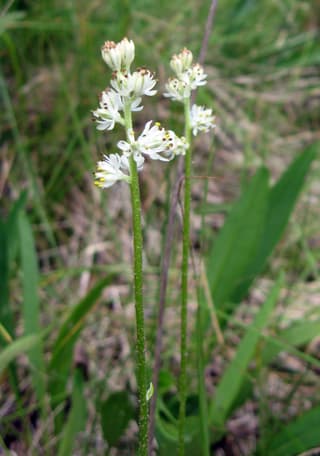
| Sticky false asphodel | Hard | Bright indirect | 1d | ✓ |
| Frangipani | Easy | Bright indirect | 10d | ⚠️ |
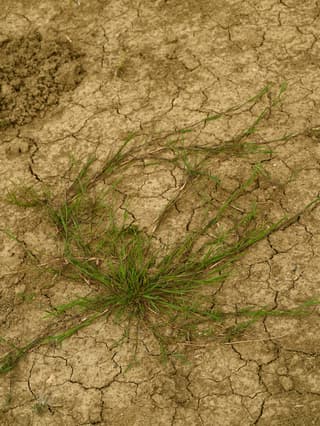
| Creeping bentgrass | Hard | Direct sun | 3d | ✓ |
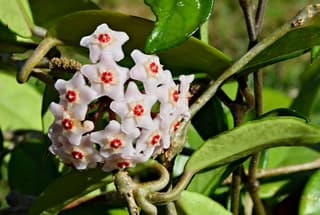
| Wax Plant | Easy | Bright indirect | 12d | ✓ |
Choose & Compare
Sources & References
- How to Grow and Care for Pong-pong - PictureThis
- Cerbera odollam - Wikipedia
- Sea Mango (Cerbera Odollam) Plant Care How to Grow, Water - Plantiary
- Plant FAQs: Cerbera Odollam - Suicide Tree - Monsteraholic
- Cerbera odollam (suicide tree, pong pong) used as plant decoration - VPIS
- Cerbera odollam toxicity: A review - PubMed