Poaceae
Switch cane: Ground Cover Plant
Arundinaria tecta
Switch cane tolerates a wide range of light, from full sun to deep shade, and is most at home in consistently moist to wet, rich, loamy or peaty soil. It spreads readily by rhizomes, so it is best given room to naturalize or planted where its spread can be contained. It has no serious pest or disease problems and is very cold hardy, surviving winters down to USDA zone 6a.
Every 7 days
Partial shade
-12° - 32°C
50% - 80%
Categories
What is Switch cane?
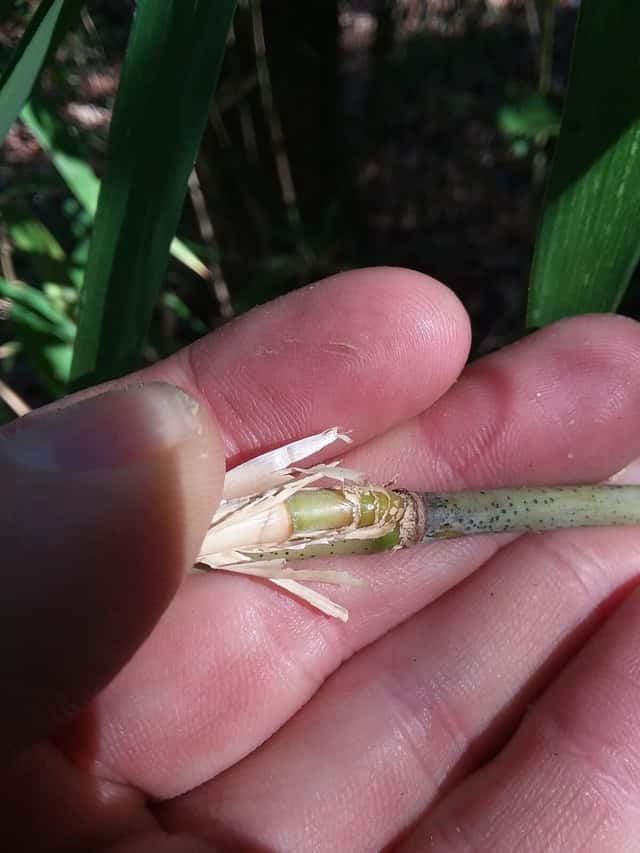
Switch cane (Arundinaria tecta) is a easy-care plant from the Poaceae family. Arundinaria tecta is a low, slender native bamboo of the grass family (Poaceae), found in the coastal plain and piedmont of the southeastern United States from Virginia to Florida. It typically grows 0.6 to 1.8 meters tall, occasionally reaching up to 3.5 meters, with thin, rigid, round green stems...
Switch cane grows up to 3.6m, watering every 7 days, -12°C – 32°C, 50–80% humidity. It is not suitable for indoor environments and safe for pets.
Unlike many tropical plants, Switch cane tolerates watering mistakes. Best for beginners. Unlike many popular species, Switch cane is safe to keep around pets.
How to Care for Switch cane?
TLDR: Switch cane needs Partial shade, watering every 7 days, and temperatures between -12-32°C with 50-80% humidity.
How Often Should You Water Switch cane?
Keep the soil consistently moist to wet; water deeply about once a week, more often in hot or dry weather, since this species naturally grows in swamps and seepage wetlands and does not tolerate prolonged drought.
How Much Light Does Switch cane Need?
Adaptable from full sun to deep shade, making it useful for difficult shady, wet spots as well as open sunny sites.
What Is the Best Soil for Switch cane?
Prefers rich, organic, loamy or peaty soil that stays moist; tolerates sandy soil as long as moisture is available, and grows naturally in wet, boggy ground.
What Pot Should You Use for Switch cane?
Best grown in the ground with root barriers to contain its spreading rhizomes; if containerized, use a large, sturdy pot with drainage, since this running bamboo quickly becomes rootbound.
What Is Switch cane and Where Does It Come From?
Arundinaria tecta is a low, slender native bamboo of the grass family (Poaceae), found in the coastal plain and piedmont of the southeastern United States from Virginia to Florida. It typically grows 0.6 to 1.8 meters tall, occasionally reaching up to 3.5 meters, with thin, rigid, round green stems that mature to brown and branch in their upper half. The species spreads vigorously by underground rhizomes and historically formed dense, near-impenetrable stands called canebrakes in wetland forest understories. Large canebrakes are now considered a critically endangered ecosystem due to habitat loss since European colonization.
How to Propagate Switch cane?
Rhizome division
- 1 In late spring, as new growth begins, choose a healthy clump with at least three canes.
- 2 Carefully cut a rhizome section with attached canes and an intact root mass, disturbing the parent plant as little as possible.
- 3 Keep the division well hydrated and in shade for about a month before planting it out.
- 4 Plant in rich, moist soil and water frequently until established.
Materials needed:
How Big Does Switch cane Grow?
TLDR: Switch cane can reach up to 3.6m tall with Fast growth rate.
Max height
3.6m
Growth rate
Fast
Foliage
Deciduous
Plant Uses
Ornamental
Great for decoration
Ground Cover
Soil coverage
Edible
Can be consumed
Culinary Uses
- Young shoots can be harvested and cooked as a wild edible.
Is your plant showing symptoms?
Click on the symptom to discover possible causes:
Meaning & Symbolism
Represents resilience and flexibility; historically significant to Indigenous peoples for weaving and construction.
Compare with similar plants
| Attribute | Difficulty | Light | Watering | Pet Safe |
|---|---|---|---|---|
| Field Maple | Easy | Bright indirect | 14d | ✓ |
| Muriel's Bamboo | Medium | Partial shade | 3d | ✓ |
| Silver Birch | Easy | Direct sun | 14d | ✓ |
| Common Blanketflower | Easy | Direct sun | 10d | ✓ |





