Poaceae
Switchgrass (Panicum virgatum)
Panicum virgatum
Grow in full sun in well-drained soil. Water regularly during the first year to establish deep roots; afterward the plant is drought tolerant. Cut the clump back to the ground in late winter before new growth emerges.
Every 10 days
Direct sun
10° - 35°C
% - %
Categories
What is Switchgrass?
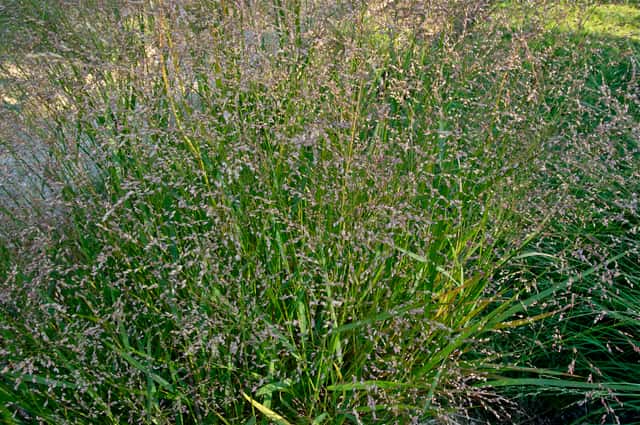
Switchgrass (Panicum virgatum) is a easy-care plant from the Poaceae family. Switchgrass (Panicum virgatum) is a warm-season perennial grass native to the North American prairies, forming upright clumps of narrow blue-green blades that turn golden in fall. Prized in naturalistic gardens, erosion control, and as a biomass crop for biofuel, it is a rugged, drought-tolerant, lo...
Switchgrass grows up to 2.1m, spread of 90cm, watering every 10 days, 10°C – 35°C. It is not suitable for indoor environments and safe for pets.
Unlike many tropical plants, Switchgrass tolerates watering mistakes. Best for beginners. Unlike many popular species, Switchgrass is safe to keep around pets.
How to Care for Switchgrass?
TLDR: Switchgrass needs Direct sun, watering every 10 days, and temperatures between 10-35°C with 40-70% humidity.
How Often Should You Water Switchgrass?
Water deeply during the first establishment year; afterward, only during prolonged drought, as this is a drought-tolerant grass.
How Much Light Does Switchgrass Need?
Prefers full sun (at least 6 hours of direct light daily); in partial shade growth becomes weak and stems flop.
What Is the Best Soil for Switchgrass?
Adapts to a wide range of soils but prefers well-drained, slightly acidic to neutral soil (pH 5.5-7.0). Overly rich soil causes the plant to flop.
What Pot Should You Use for Switchgrass?
Not typically container-grown; if potted, use a large, deep container with good drainage.
What Is Switchgrass and Where Does It Come From?
Switchgrass (Panicum virgatum) is a warm-season perennial grass native to the North American prairies, forming upright clumps of narrow blue-green blades that turn golden in fall. Prized in naturalistic gardens, erosion control, and as a biomass crop for biofuel, it is a rugged, drought-tolerant, low-maintenance plant that attracts birds and butterflies.
How to Propagate Switchgrass?
Seed sowing
Cold stratification greatly increases germination rate. Unstratified seed can be fall-sown for natural stratification.
- 1 Sow in a seed tray or bed in late winter or early spring
- 2 Cold-stratify seeds for 30-60 days to improve germination
- 3 Keep the substrate lightly moist until germination
- 4 Transplant seedlings once they reach 10-15 cm tall
Materials needed:
Clump division
Only divide clumps at least 3 years old. Keep soil moist for the first few weeks after division.
- 1 Dig up the mature clump in early spring before new growth starts
- 2 Divide the rhizome into sections with roots and shoots using a spade or sharp knife
- 3 Replant the divisions immediately in the new location
- 4 Water thoroughly after planting to aid establishment
Materials needed:
How Big Does Switchgrass Grow?
TLDR: Switchgrass can reach up to 2.1m tall with Medium growth rate.
Max height
2.1m
Spread
90cm
Growth rate
Medium
Foliage
Deciduous
Plant Uses
Ornamental
Great for decoration
Ground Cover
Soil coverage
Is your plant showing symptoms?
Click on the symptom to discover possible causes:
What Diseases Commonly Affect Switchgrass?
TLDR: Switchgrass is susceptible to 7 known diseases. Monitor regularly for early detection.
Rust
Rust is a common fungal disease caused by fungi in the order Pucciniales that affects a wide variety of plants. The disease gets its name from the characteristic orange, yellow, or reddish-brown pustules that appear on leaves, resembling metal rust. This obligate fungal parasite requires living plants to survive and can cause significant economic losses in agricultural crops.
Root Rot
Root rot is a serious fungal disease that affects the root system of plants, causing them to decay and die. It is primarily caused by overwatering, poor drainage, or soil-borne fungi such as Pythium, Phytophthora, Rhizoctonia, and Fusarium. The disease thrives in waterlogged conditions where roots are deprived of oxygen, making them susceptible to fungal infection.
Anthracnose
Anthracnose is a fungal disease caused by fungi in the genus Colletotrichum that affects many plants, including vegetables, fruits, and trees. The disease thrives in cool, wet conditions, causing dark, sunken lesions on leaves, stems, flowers, and fruits.
Phytophthora Root Rot
The Phytophthora genus consists of soil-borne oomycetes (water molds) that act as plant pathogens, primarily affecting trees and woody plants. It typically spreads through the root system, leading to systemic decline and eventual plant collapse.
Meaning & Symbolism
A symbol of resilience and adaptability, representing the strength of the North American wild prairies and connection to native ecosystems.
Fun Facts
Its flexible stems inspired the name "switchgrass"
It is one of the leading crops studied for cellulosic ethanol production
Its seeds feed birds and small mammals through winter
It tolerates poor soil, drought, heat, and even salt spray, making it extremely resilient
Frequently asked questions
Does switchgrass need a lot of water?
Is switchgrass toxic to dogs and cats?
When should I prune switchgrass?
What is the best planting location?
Compare with similar plants
| Attribute | Difficulty | Light | Watering | Pet Safe |
|---|---|---|---|---|
| Field Maple | Easy | Bright indirect | 14d | ✓ |
| Muriel's Bamboo | Medium | Partial shade | 3d | ✓ |
| Silver Birch | Easy | Direct sun | 14d | ✓ |
| Common Blanketflower | Easy | Direct sun | 10d | ✓ |





