Amanitaceae
The Blusher: Best for Low Light
Amanita rubescens
This species cannot be cultivated as a common potted plant, as it requires a complex symbiotic relationship with the roots of living trees in a natural forest environment.
Every 3 days
Low light
10° - 25°C
70% - 95%
Categories
What is The Blusher?
The Blusher (Amanita rubescens) is a hard-care plant from the Amanitaceae family. Amanita rubescens, known as The Blusher, is a mycorrhizal fungus characterized by its flesh, which turns reddish or pinkish when damaged. The cap is typically reddish-brown to pale brown with small, grayish warts. It lives in symbiosis with both deciduous and coniferous trees.
The Blusher grows up to 20cm, spread of 15cm, watering every 3 days, 10°C – 25°C, 70–95% humidity. It is not suitable for indoor environments and not safe for pets.
Unlike easy-care plants, The Blusher demands constant attention to humidity and light. Not recommended for beginners. Without precautions, ingestion can cause irritation in pets. Keep out of reach of cats and dogs.
How to Care for The Blusher?
TLDR: The Blusher needs Low light, watering every 3 days, and temperatures between 10-25°C with 70-95% humidity.
How Often Should You Water The Blusher?
Dependent on natural rainfall and high humidity in the forest floor.
How Much Light Does The Blusher Need?
Thrives best in shady forest areas with indirect light under the tree canopy.
What Is the Best Soil for The Blusher?
Prefers acidic to neutral soil rich in organic matter and near tree roots.
What Pot Should You Use for The Blusher?
Not suitable for pots; requires natural forest floor.
Care Schedule
Misting
Every 1 days
What Is The Blusher and Where Does It Come From?
Amanita rubescens, known as The Blusher, is a mycorrhizal fungus characterized by its flesh, which turns reddish or pinkish when damaged. The cap is typically reddish-brown to pale brown with small, grayish warts. It lives in symbiosis with both deciduous and coniferous trees.
How to Propagate The Blusher?
Spore Propagation
- Requires specific soil conditions and a living host tree to survive.
- 1 Spore Collection
Place a mature cap on a piece of paper to collect the spore print.
- 2 Inoculation
Spread the spores near the roots of suitable host trees such as oak or beech.
- 3 Establishment
Keep the area moist and undisturbed for several years while the mycelium grows.
Materials needed:
How Big Does The Blusher Grow?
TLDR: The Blusher can reach up to 20cm tall with Medium growth rate.
Max height
20cm
Spread
15cm
Growth rate
Medium
Warning: Toxic Plant
This plant can be toxic if ingested. Keep out of reach of:
Plant Uses
Ornamental
Great for decoration
Culinary Uses
- Edible after thorough cooking (warning: contains hemolysin, which is destroyed by heat, but confusion with poisonous species is dangerous)
Is your plant showing symptoms?
Click on the symptom to discover possible causes:
Meaning & Symbolism
Representative of the forest's hidden networks and transformation.
Compare with similar plants
| Attribute | Difficulty | Light | Watering | Pet Safe |
|---|---|---|---|---|
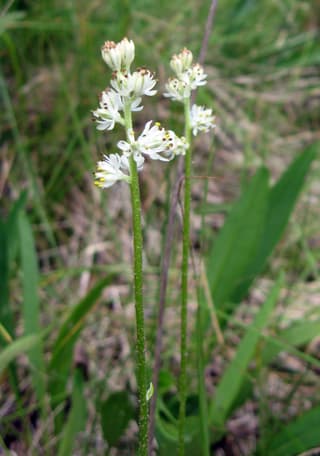
| Sticky false asphodel | Hard | Bright indirect | 1d | ✓ |
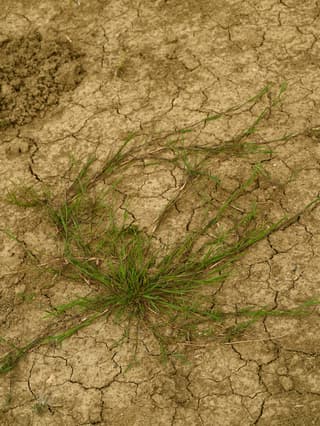
| Creeping bentgrass | Hard | Direct sun | 3d | ✓ |
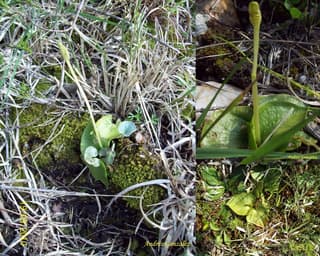
| Bulbous Adder's-tongue | Hard | Partial shade | 4d | ✓ |
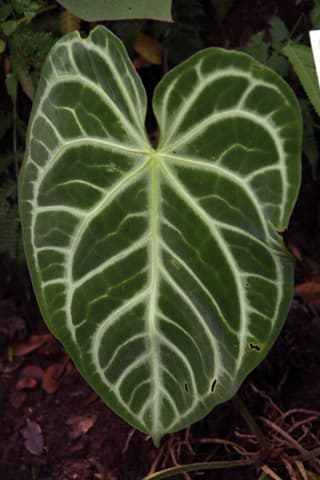
| Crystal Anthurium | Hard | Partial shade | 7d | ⚠️ |