Asphodelaceae
Gasteria excelsa (Thicket Ox-tongue) Care Guide
Gasteria excelsa
A slow-growing, low-maintenance succulent that thrives in bright, indirect light or partial shade, well-drained sandy soil, and infrequent watering. Protect from prolonged harsh direct sun and never let water sit between the leaves.
Every 15 days
Partial shade
5° - 35°C
20% - 50%
Categories
What is Thicket Ox-tongue?
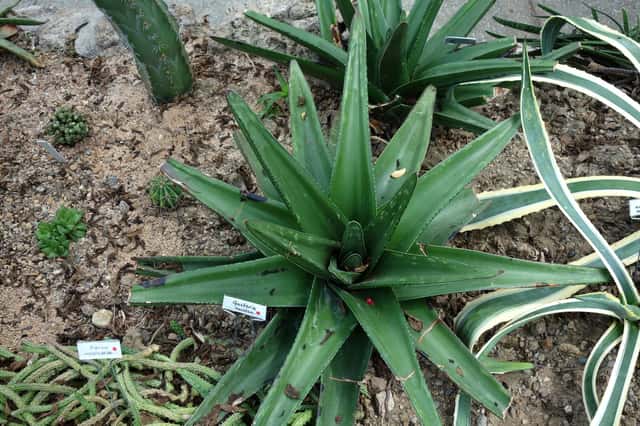
Thicket Ox-tongue (Gasteria excelsa) is a easy-care plant from the Asphodelaceae family. Gasteria excelsa is a striking, large-growing succulent native to the Eastern Cape province of South Africa, where it clings to shaded, south-facing cliffs and rocky thickets from sea level up to 1,500 m. One of the biggest species in the genus, it forms a single, robust rosette of stiff, triangular...
Thicket Ox-tongue grows up to 60cm, spread of 75cm, watering every 15 days, 5°C – 35°C, 20–50% humidity. It is suitable for indoor environments and safe for pets.
Unlike many tropical plants, Thicket Ox-tongue tolerates watering mistakes. Best for beginners. Unlike many popular species, Thicket Ox-tongue is safe to keep around pets. Without adequate drainage, root rot can develop within 30 days.
How to Care for Thicket Ox-tongue?
TLDR: Thicket Ox-tongue needs Partial shade, watering every 15 days, and temperatures between 5-35°C with 20-50% humidity.
How Often Should You Water Thicket Ox-tongue?
Water deeply and let the soil dry out almost completely before watering again; cut back further in winter, but never let it stay bone-dry for extended periods.
How Much Light Does Thicket Ox-tongue Need?
Prefers bright, indirect light or partial shade; in hot climates, protect from intense midday sun to prevent leaf scorch.
What Is the Best Soil for Thicket Ox-tongue?
Use a very well-draining, sandy, slightly acidic mix, such as a cactus/succulent blend cut with extra coarse sand or perlite.
What Pot Should You Use for Thicket Ox-tongue?
A wide, shallow terracotta or unglazed clay pot with generous drainage holes suits its large root system and helps excess moisture evaporate.
What Is Thicket Ox-tongue and Where Does It Come From?
Gasteria excelsa is a striking, large-growing succulent native to the Eastern Cape province of South Africa, where it clings to shaded, south-facing cliffs and rocky thickets from sea level up to 1,500 m. One of the biggest species in the genus, it forms a single, robust rosette of stiff, triangular leaves up to 40 cm long, dark green and mottled with pale spots, edged with sharp, heavily serrated white margins. In summer it sends up a tall flower spike, sometimes over a meter high, carrying clusters of stomach-shaped, light pink blooms that attract sunbirds.
How to Propagate Thicket Ox-tongue?
Leaf Cutting
Keep the cutting in bright, indirect light and avoid overwatering until roots are established.
- 1 Remove a healthy, mature leaf close to the base of the rosette
- 2 Let the cut end callous over for a few days in a dry, shaded spot
- 3 Lay the leaf on top of clean, well-draining sand or succulent mix
- 4 Mist lightly and wait for roots and a small offset to form at the base
Materials needed:
Seed
Fresh seed germinates most reliably; seedlings grow slowly and may take several years to mature.
- 1 Sow fresh seed on the surface of a well-draining seed mix
- 2 Cover lightly with a thin layer of sand
- 3 Keep consistently moist and warm until germination
- 4 Grow seedlings in bright, filtered light until large enough to pot on
Materials needed:
How Big Does Thicket Ox-tongue Grow?
TLDR: Thicket Ox-tongue can reach up to 60cm tall with Slow growth rate.
Max height
60cm
Spread
75cm
Growth rate
Slow
Foliage
Evergreen
Plant Uses
Ornamental
Great for decoration
Is your plant showing symptoms?
Click on the symptom to discover possible causes:
What Diseases Commonly Affect Thicket Ox-tongue?
TLDR: Thicket Ox-tongue is susceptible to 11 known diseases. Monitor regularly for early detection.
Root Rot
Root rot is a serious fungal disease that affects the root system of plants, causing them to decay and die. It is primarily caused by overwatering, poor drainage, or soil-borne fungi such as Pythium, Phytophthora, Rhizoctonia, and Fusarium. The disease thrives in waterlogged conditions where roots are deprived of oxygen, making them susceptible to fungal infection.
Overwatering
Overwatering occurs when plants receive too much water, depriving roots of oxygen and causing root rot. This environmental stress is one of the most common causes of houseplant death, as waterlogged soil prevents roots from breathing and functioning properly.
Crown Rot
Crown rot is a serious fungal disease that attacks the crown (base) of the plant where the stem meets the soil. It is caused by various fungal pathogens including Phytophthora, Fusarium, and Rhizoctonia. The disease thrives in waterlogged conditions and can quickly spread to kill the entire plant if not addressed promptly.
Southern Blight
Southern blight is a devastating soilborne fungal disease caused by Athelia rolfsii (formerly Sclerotium rolfsii), affecting over 500 plant species including vegetables, ornamentals, and fruit crops. The fungus survives in soil through resting structures called sclerotia that resemble mustard seeds and can remain viable for years.
Meaning & Symbolism
Represents resilience and quiet strength, thriving on bare rock faces where little else survives.
Fun Facts
It is one of the largest species in the genus Gasteria, second in size only to Gasteria acinacifolia.
Its genus name comes from the Greek "gaster" (stomach), referring to the stomach-shaped swelling at the base of its flowers.
In the wild it grows wedged into shaded, south-facing cliff faces in South Africa's Eastern Cape, sometimes at elevations up to 1,500 meters.
Its pink summer flowers are a favorite nectar source for sunbirds.
Frequently asked questions
Is Gasteria excelsa toxic to pets?
How much light does Gasteria excelsa need?
How often should I water Gasteria excelsa?
How fast does Gasteria excelsa grow?
Compare with similar plants
| Attribute | Difficulty | Light | Watering | Pet Safe |
|---|---|---|---|---|
| Field Maple | Easy | Bright indirect | 14d | ✓ |
| Silver Birch | Easy | Direct sun | 14d | ✓ |
| Common Blanketflower | Easy | Direct sun | 10d | ✓ |
| Cushion Bush | Easy | Direct sun | 14d | ✓ |





