Cactaceae
Thornber's Nipple Cactus (Cochemiea thornberi): The Complete Care Guide
Cochemiea thornberi
An extremely drought-tolerant species requiring intense direct sunlight, sandy well-draining soil, and very infrequent watering. Its greatest threat is root rot from overwatering. Keep nearly dry during winter dormancy.
Every 21 days
Direct sun
-7° - 38°C
10% - 30%
Categories
What is Thornber's Nipple Cactus?
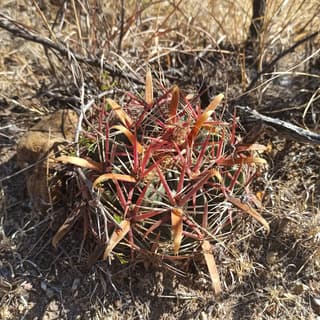
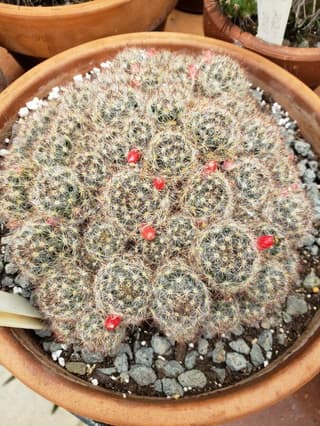
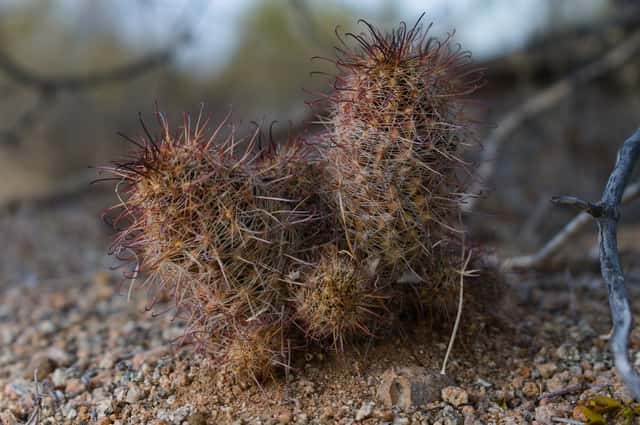
Thornber's Nipple Cactus (Cochemiea thornberi) is a hard-care plant from the Cactaceae family. Cochemiea thornberi, commonly known as Thornber's Nipple Cactus or Thornber's Fishhook Cactus, is a small clustering cactus native to the Sonoran Desert of Arizona and Sonora, Mexico. It forms dense clumps of cylindrical stems adorned with hooked central spines and produces delicate white to pink fl...
Thornber's Nipple Cactus grows up to 30cm, spread of 40cm, watering every 21 days, -7°C – 38°C, 10–30% humidity. It is suitable for indoor environments and safe for pets.
Unlike easy-care plants, Thornber's Nipple Cactus demands constant attention to humidity and light. Not recommended for beginners. Unlike many popular species, Thornber's Nipple Cactus is safe to keep around pets. Without adequate drainage, root rot can develop within 42 days.
How to Care for Thornber's Nipple Cactus?
TLDR: Thornber's Nipple Cactus needs Direct sun, watering every 21 days, and temperatures between -7-38°C with 10-30% humidity.
How Often Should You Water Thornber's Nipple Cactus?
Water every 3 weeks during spring and summer, allowing the soil to dry completely between waterings. In fall and winter, reduce to once a month or withhold entirely. Never allow water to pool in the saucer.
How Much Light Does Thornber's Nipple Cactus Need?
Place in a south or west-facing window with at least 6 hours of direct sun daily. Outdoors, full sun is ideal in warm climates. Insufficient light leads to etiolation and poor flowering.
What Is the Best Soil for Thornber's Nipple Cactus?
Use a gritty cactus mix with at least 70% inorganic material (coarse sand, pumice, or perlite). Ensure the pot has drainage holes. A layer of gravel on the surface helps prevent stem rot near the base.
What Pot Should You Use for Thornber's Nipple Cactus?
Terracotta or ceramic pot with drainage hole. Prefer shallow, wide pots that accommodate clustering growth. Avoid plastic pots that retain excess moisture.
What Is Thornber's Nipple Cactus and Where Does It Come From?
Cochemiea thornberi, commonly known as Thornber's Nipple Cactus or Thornber's Fishhook Cactus, is a small clustering cactus native to the Sonoran Desert of Arizona and Sonora, Mexico. It forms dense clumps of cylindrical stems adorned with hooked central spines and produces delicate white to pink flowers with lavender midstripes, making it a prized gem among cactus collectors.
How to Propagate Thornber's Nipple Cactus?
Seed propagation
Use fresh seeds for best germination rates. Germination can take 2 weeks to 2 months.
- 1 Lightly moisten sandy germination mix and level surface
- 2 Distribute seeds on surface without covering
- 3 Cover tray with clear plastic to retain moisture
- 4 Maintain 22-28°C in bright indirect light
- 5 Remove cover after germination and gradually increase light exposure
Materials needed:
Offset division
Wait until offsets are at least 2 cm wide before separating. Do not water for the first 2 weeks after planting.
- 1 Carefully remove plant from pot using thick gloves
- 2 Identify rooted offsets at the base
- 3 Separate with a sterilized blade and allow cut to callous for 3-5 days
- 4 Plant in lightly moist sandy mix and wait for rooting
Materials needed:
How Big Does Thornber's Nipple Cactus Grow?
TLDR: Thornber's Nipple Cactus can reach up to 30cm tall with Slow growth rate.
Max height
30cm
Spread
40cm
Growth rate
Slow
Foliage
Evergreen
Plant Uses
Ornamental
Great for decoration
Is your plant showing symptoms?
Click on the symptom to discover possible causes:
What Diseases Commonly Affect Thornber's Nipple Cactus?
TLDR: Thornber's Nipple Cactus is susceptible to 3 known diseases. Monitor regularly for early detection.
Root Rot
Root rot is a serious fungal disease that affects the root system of plants, causing them to decay and die. It is primarily caused by overwatering, poor drainage, or soil-borne fungi such as Pythium, Phytophthora, Rhizoctonia, and Fusarium. The disease thrives in waterlogged conditions where roots are deprived of oxygen, making them susceptible to fungal infection.
Mealybugs
Mealybugs are small, soft-bodied insects covered with a white, waxy, cottony material. They are common pests of houseplants and outdoor plants in mild climates. These sap-sucking insects feed on plant tissue, causing damage, stunted growth, and can lead to plant death if left untreated. They produce sticky honeydew which attracts sooty mold.
Scale Insects
Scale insects are small sap-sucking pests that appear as brown, shell-like bumps on plant stems and leaves. There are over 25 species, divided into armored (hard) and unarmored (soft) scales. They feed by piercing plant tissue and extracting sap, which weakens the plant and can lead to yellowing, stunted growth, and even death if left untreated. They also excrete honeydew, which attracts ants and promotes sooty mold growth.
Meaning & Symbolism
A symbol of resilience and quiet endurance — thriving in one of the harshest environments on Earth, blooming with delicate beauty against all odds.
Fun Facts
Native to the Sonoran Desert, it can survive temperatures down to -7°C when kept dry
Its hooked central spines inspired the nickname Thornber's Fishhook Cactus
It produces bright red edible fruits after flowering
A single plant can form a large clump of dozens of stems over many years
Frequently asked questions
How often should I water Thornber's Nipple Cactus?
Can Cochemiea thornberi be grown indoors?
What is the main problem when growing this cactus?
Is Thornber's Nipple Cactus toxic to pets?
When does Cochemiea thornberi bloom?
Compare with similar plants
| Attribute | Difficulty | Light | Watering | Pet Safe |
|---|---|---|---|---|
| Sticky false asphodel | Hard | Bright indirect | 1d | ✓ |
| Chilean Cacti | Easy | Direct sun | 14d | ✓ |
| Devils Tongue Cactus | Easy | Direct sun | 21d | ✓ |
| Creeping bentgrass | Hard | Direct sun | 3d | ✓ |