Asparagaceae
Ti Plant (Cordyline fruticosa) Complete Care Guide
Cordyline fruticosa
Ti Plant thrives in bright indirect light and appreciates consistent moisture without waterlogging. Maintain high humidity by misting regularly or using a pebble tray. Water when the top inch of soil feels dry. Feed monthly with a balanced liquid fertilizer during spring and summer. Avoid fluoridated tap water as it can cause leaf tip burn.
Every 7 days
Partial shade
10° - 30°C
60% - 80%
Categories
What is Ti Plant?
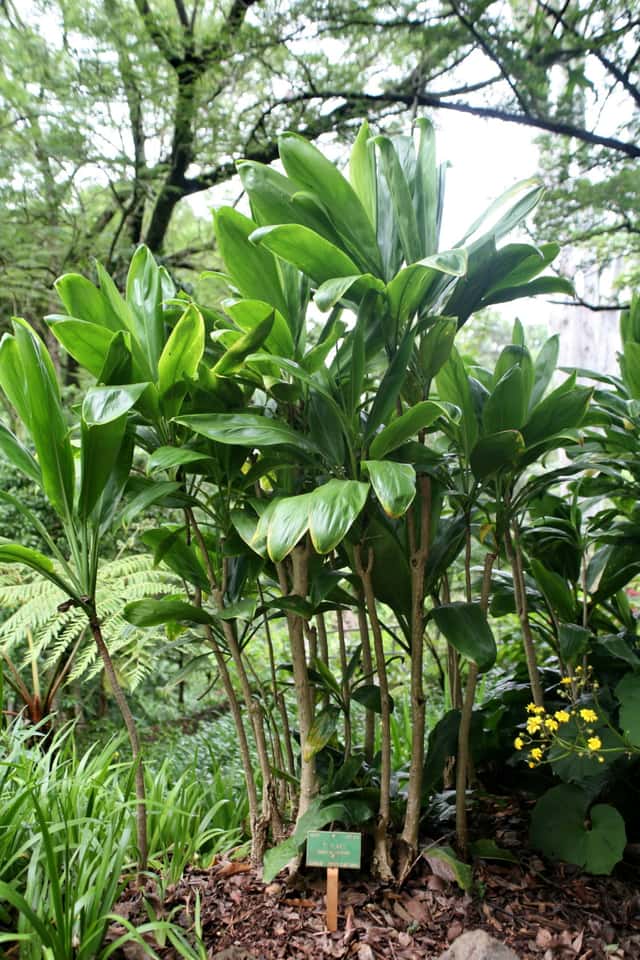
Ti Plant (Cordyline fruticosa) is a medium-care plant from the Asparagaceae family. Cordyline fruticosa, commonly known as the Ti Plant or Hawaiian Good Luck Plant, is a striking tropical shrub native to Southeast Asia and the Pacific Islands. Famous for its bold, lance-shaped leaves that come in a stunning array of colors — deep red, pink, purple, and variegated combinations — thi...
Ti Plant grows up to 3.0m, spread of 120cm, watering every 7 days, 10°C – 30°C, 60–80% humidity. It is suitable for indoor environments and not safe for pets.
Without precautions, ingestion can cause irritation in pets. Keep out of reach of cats and dogs. Without adequate drainage, root rot can develop within 14 days.
How to Care for Ti Plant?
TLDR: Ti Plant needs Partial shade, watering every 7 days, and temperatures between 10-30°C with 60-80% humidity.
How Often Should You Water Ti Plant?
Water thoroughly when the top 1 inch of soil dries out, approximately every 7 days. Always empty the drainage saucer to prevent root rot. Use filtered or rainwater when possible to avoid fluoride tip burn.
How Much Light Does Ti Plant Need?
Place in bright indirect light — near a north or east-facing window is ideal. Avoid harsh direct sun which can scorch the colorful leaves. Low light will cause colors to fade to green.
What Is the Best Soil for Ti Plant?
Use a well-draining, fertile potting mix. Add perlite to improve drainage. Avoid heavy clay soils. A slightly acidic pH between 5.5 and 7.0 is optimal.
What Pot Should You Use for Ti Plant?
Use a terracotta or ceramic pot with drainage holes. Terracotta helps prevent overwatering by allowing the soil to dry more evenly. Choose a pot 2-3 cm larger than the root ball.
Care Schedule
Fertilize
Every 35 days
Misting
Every 3 days
What Is Ti Plant and Where Does It Come From?
Cordyline fruticosa, commonly known as the Ti Plant or Hawaiian Good Luck Plant, is a striking tropical shrub native to Southeast Asia and the Pacific Islands. Famous for its bold, lance-shaped leaves that come in a stunning array of colors — deep red, pink, purple, and variegated combinations — this plant is as ornamental as it is culturally significant. In Hawaiian and Polynesian traditions, the Ti Plant is considered sacred and is believed to bring good luck and ward off evil spirits.
How to Propagate Ti Plant?
Stem Cutting (Ti Logs)
Ti logs (leafless stem sections) can also be laid horizontally on moist soil to root. Keep humidity high for best results.
- 1 Cut a healthy stem section 20-30 cm long with at least 2-3 nodes
- 2 Remove lower leaves leaving only the top 2-3
- 3 Place the cutting in water or moist potting mix
- 4 Keep in a warm, bright location out of direct sun
- 5 Roots will appear in 3-6 weeks
Materials needed:
Division
Division is best done during repotting in spring. Keep divisions well-watered while establishing.
- 1 Remove the plant from its pot
- 2 Gently separate offshoots or suckers from the base
- 3 Ensure each division has healthy roots attached
- 4 Plant each division in fresh potting mix
- 5 Water well and place in bright indirect light
Materials needed:
How Big Does Ti Plant Grow?
TLDR: Ti Plant can reach up to 3.0m tall with Medium growth rate.
Max height
3.0m
Spread
1.2m
Growth rate
Medium
Foliage
Evergreen
Warning: Toxic Plant
This plant can be toxic if ingested. Keep out of reach of:
Plant Uses
Ornamental
Great for decoration
Is your plant showing symptoms?
Click on the symptom to discover possible causes:
What Diseases Commonly Affect Ti Plant?
TLDR: Ti Plant is susceptible to 9 known diseases. Monitor regularly for early detection.
Root Rot
Root rot is a serious fungal disease that affects the root system of plants, causing them to decay and die. It is primarily caused by overwatering, poor drainage, or soil-borne fungi such as Pythium, Phytophthora, Rhizoctonia, and Fusarium. The disease thrives in waterlogged conditions where roots are deprived of oxygen, making them susceptible to fungal infection.
Leaf Spot
Leaf spot is a common fungal disease caused by various pathogens including Alternaria, Ascochyta, Colletotrichum, Septoria, and Venturia. It primarily affects leaves, causing discolored spots that can lead to premature leaf drop if left untreated.
Spider Mites
Spider mites are tiny arachnids (less than 1/20 inch long) related to spiders and ticks that feed on plant sap. They thrive in hot, dry conditions and can cause significant damage to ornamental and vegetable plants. During severe infestations, crop losses can reach 14% or higher as these pests disrupt vital plant processes including photosynthesis, carbon dioxide absorption, and transpiration.
Mealybugs
Mealybugs are small, soft-bodied insects covered with a white, waxy, cottony material. They are common pests of houseplants and outdoor plants in mild climates. These sap-sucking insects feed on plant tissue, causing damage, stunted growth, and can lead to plant death if left untreated. They produce sticky honeydew which attracts sooty mold.
Meaning & Symbolism
In Hawaiian culture, the Ti Plant symbolizes good luck, protection, and prosperity. It is traditionally planted around homes and temples to ward off evil spirits and invite positive energy.
Fun Facts
The Ti Plant has been cultivated in Hawaii and Polynesia for over 2,000 years.
In Hawaiian tradition, Ti Plant leaves are used to make hula skirts, leis, and food wrappers.
The roots of Cordyline fruticosa contain natural sugars and were traditionally fermented to make a mildly alcoholic drink called okolehao in Hawaii.
Ti Plants can live for decades and may produce fragrant white to lavender flowers that attract pollinators when grown in optimal conditions.
Frequently asked questions
How often should I water my Ti Plant?
Is Ti Plant toxic to cats and dogs?
Why are my Ti Plant leaves fading to green?
Can I grow Ti Plant outdoors?
Why do my Ti Plant leaves have brown tips?
Compare with similar plants
| Attribute | Difficulty | Light | Watering | Pet Safe |
|---|---|---|---|---|
| Dark Fieldcap | Medium | Low light | 2d | ⚠️ |
| Azalea | Medium | Partial shade | 3d | ⚠️ |
| Muriel's Bamboo | Medium | Partial shade | 3d | ✓ |
| Bougainvillea | Medium | Direct sun | 7d | ⚠️ |




