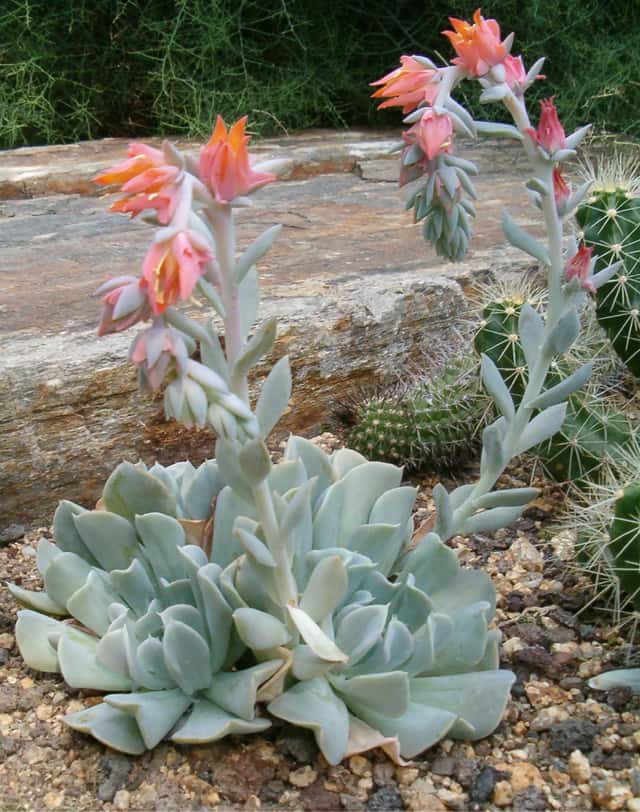
Crassulaceae
Topsy Turvy Echeveria: Pet-Safe Plant
Echeveria runyonii
Give it bright, indirect light, water sparingly using a soak-and-dry method, plant it in fast-draining cactus/succulent soil, and protect it from hard frost. Avoiding overwatering is the single most important factor for keeping it healthy.
Every 12 days
Bright indirect
-2° - 35°C
20% - 40%
Categories
What is Topsy Turvy Echeveria?
Topsy Turvy Echeveria (Echeveria runyonii) is a easy-care plant from the Crassulaceae family. Echeveria runyonii 'Topsy Turvy' is a rosette-forming succulent native to Mexico, prized for its powdery, grayish-green leaves that curl inward like spoons, creating a distinctive whirled shape. It is a slow-growing, hardy, and low-maintenance plant, well suited to indoor pots or outdoor rock garden...
Topsy Turvy Echeveria grows up to 30cm, spread of 50cm, watering every 12 days, -2°C – 35°C, 20–40% humidity. It is suitable for indoor environments and safe for pets.
Unlike many tropical plants, Topsy Turvy Echeveria tolerates watering mistakes. Best for beginners. Unlike many popular species, Topsy Turvy Echeveria is safe to keep around pets. Without adequate drainage, root rot can develop within 24 days.
How to Care for Topsy Turvy Echeveria?
TLDR: Topsy Turvy Echeveria needs Bright indirect, watering every 12 days, and temperatures between -2-35°C with 20-40% humidity.
How Often Should You Water Topsy Turvy Echeveria?
Water only once the soil has dried out completely, roughly every 10-14 days in spring and summer and about once a month in winter. Apply water to the soil rather than the leaves to prevent rot.
How Much Light Does Topsy Turvy Echeveria Need?
Place it where it gets bright, indirect light for several hours a day. Intense direct sun for many hours can scorch the leaf tips, though it tolerates gentle morning sun.
What Is the Best Soil for Topsy Turvy Echeveria?
Use a specialized cactus and succulent mix with excellent drainage, combining a general potting base with coarse sand, perlite, or volcanic rock. A pot with several drainage holes is essential.
What Pot Should You Use for Topsy Turvy Echeveria?
A shallow, wide terracotta or clay pot with multiple drainage holes, giving the rosette room to spread.
Care Schedule
Repot
Every 365 days
What Is Topsy Turvy Echeveria and Where Does It Come From?
Echeveria runyonii 'Topsy Turvy' is a rosette-forming succulent native to Mexico, prized for its powdery, grayish-green leaves that curl inward like spoons, creating a distinctive whirled shape. It is a slow-growing, hardy, and low-maintenance plant, well suited to indoor pots or outdoor rock gardens in warm climates.
How to Propagate Topsy Turvy Echeveria?
Offset division
Wait until the wound fully calluses before planting to avoid rot.
- 1 Locate the offsets (small rosettes) growing at the base of the mother plant
- 2 Carefully separate them using a clean, disinfected knife, keeping some roots attached if possible
- 3 Let the cut callous over for 1-2 days in a shaded spot
- 4 Plant the offset in well-draining cactus soil and water lightly
Materials needed:
Leaf propagation
Avoid overwatering while waiting for roots; light moisture is enough.
- 1 Gently twist off a whole, healthy leaf from the base of the stem
- 2 Let the leaf dry in a shaded spot for 2-3 days until it calluses
- 3 Lay the leaf on top of moist cactus soil without burying it
- 4 Keep the soil lightly moist until roots and a new rosette appear
Materials needed:
How Big Does Topsy Turvy Echeveria Grow?
TLDR: Topsy Turvy Echeveria can reach up to 30cm tall with Slow growth rate.
Max height
30cm
Spread
50cm
Growth rate
Slow
Foliage
Evergreen
Plant Uses
Ornamental
Great for decoration
Is your plant showing symptoms?
Click on the symptom to discover possible causes:
What Diseases Commonly Affect Topsy Turvy Echeveria?
TLDR: Topsy Turvy Echeveria is susceptible to 5 known diseases. Monitor regularly for early detection.
Root Rot
Root rot is a serious fungal disease that affects the root system of plants, causing them to decay and die. It is primarily caused by overwatering, poor drainage, or soil-borne fungi such as Pythium, Phytophthora, Rhizoctonia, and Fusarium. The disease thrives in waterlogged conditions where roots are deprived of oxygen, making them susceptible to fungal infection.
Overwatering
Overwatering occurs when plants receive too much water, depriving roots of oxygen and causing root rot. This environmental stress is one of the most common causes of houseplant death, as waterlogged soil prevents roots from breathing and functioning properly.
Mealybugs
Mealybugs are small, soft-bodied insects covered with a white, waxy, cottony material. They are common pests of houseplants and outdoor plants in mild climates. These sap-sucking insects feed on plant tissue, causing damage, stunted growth, and can lead to plant death if left untreated. They produce sticky honeydew which attracts sooty mold.
Aphids
Aphids are small, soft-bodied, pear-shaped insects (1/16 to 1/8 inch long) that feed by sucking nutrient-rich sap from plants. They reproduce rapidly and can quickly weaken plants, causing distorted growth and transmitting plant viruses. Aphids come in various colors including green, black, red, yellow, brown, and gray. They secrete honeydew, a sticky substance that attracts ants and encourages sooty mold growth.
Meaning & Symbolism
Like other Echeveria, it symbolizes resilience and adaptability: its thick, water-storing leaves represent the ability to thrive under difficult conditions, making it a popular gift symbolizing strength, protection, and prosperity for the home.
Compare with similar plants
| Attribute | Difficulty | Light | Watering | Pet Safe |
|---|---|---|---|---|
| Field Maple | Easy | Bright indirect | 14d | ✓ |
| Silver Birch | Easy | Direct sun | 14d | ✓ |
| Common Blanketflower | Easy | Direct sun | 10d | ✓ |
| Cushion Bush | Easy | Direct sun | 14d | ✓ |





