Strelitziaceae
Traveller's Palm (Ravenala madagascariensis) Care Guide
Ravenala madagascariensis
Thrives in full sun to partial shade with warm, frost-free temperatures. Keep soil consistently moist but well-drained, and feed monthly during the growing season.
Every 7 days
Bright indirect
15° - 32°C
50% - 80%
Categories
What is Traveller's Palm?
Traveller's Palm (Ravenala madagascariensis) is a hard-care plant from the Strelitziaceae family. Ravenala madagascariensis, known as the Traveller's Palm, is a striking evergreen plant native to Madagascar, prized for its enormous paddle-shaped leaves that unfurl in a dramatic fan reminiscent of a peacock's tail. Despite its common name, it is not a true palm but a close relative of the bird-of...
Traveller's Palm grows up to 15.0m, spread of 500cm, watering every 7 days, 15°C – 32°C, 50–80% humidity. It is suitable for indoor environments and safe for pets.
Unlike easy-care plants, Traveller's Palm demands constant attention to humidity and light. Not recommended for beginners. Unlike many popular species, Traveller's Palm is safe to keep around pets. Without adequate drainage, root rot can develop within 14 days.
How to Care for Traveller's Palm?
TLDR: Traveller's Palm needs Bright indirect, watering every 7 days, and temperatures between 15-32°C with 50-80% humidity.
How Often Should You Water Traveller's Palm?
Water deeply once a week, letting the top 2-3 cm of soil dry between waterings to prevent root rot.
How Much Light Does Traveller's Palm Need?
Provide bright, direct sunlight outdoors; young potted specimens tolerate partial shade but grow best near a sunny south-facing window.
What Is the Best Soil for Traveller's Palm?
Use a rich, well-draining potting mix amended with compost and perlite; slightly acidic to neutral pH is ideal.
What Pot Should You Use for Traveller's Palm?
A wide, heavy terracotta or ceramic pot with ample drainage holes; the plant's large fan shape and root spread need a stable, generously sized container.
Care Schedule
Fertilize
Every 30 days
Misting
Every 7 days
Rotate
Every 14 days
Repot
Every 730 days
What Is Traveller's Palm and Where Does It Come From?
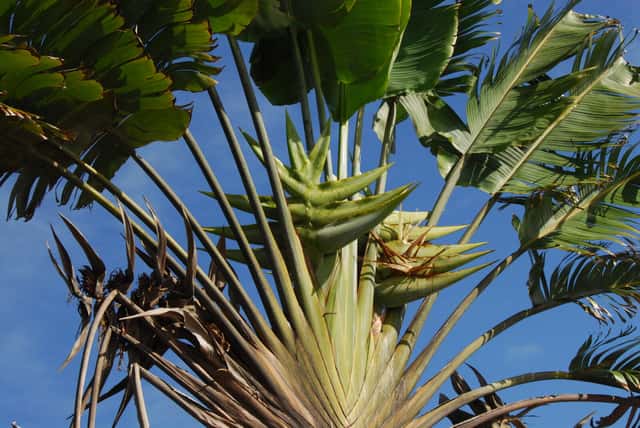
Ravenala madagascariensis, known as the Traveller's Palm, is a striking evergreen plant native to Madagascar, prized for its enormous paddle-shaped leaves that unfurl in a dramatic fan reminiscent of a peacock's tail. Despite its common name, it is not a true palm but a close relative of the bird-of-paradise and banana, belonging to the family Strelitziaceae. Mature specimens can reach 9 to 15 meters tall and are iconic in tropical landscaping.
How to Propagate Traveller's Palm?
Basal sucker division
Wait until the sucker has at least 3-4 leaves of its own before separating it, and keep humidity high during the first few weeks to reduce transplant shock.
- 1 Locate a healthy basal sucker with its own roots at the base of the mother plant
- 2 Use a clean, sharp spade or knife to separate the sucker, keeping as many roots intact as possible
- 3 Pot the sucker in a well-draining, organic-rich mix and water thoroughly
- 4 Keep in warm, humid, bright indirect light until new growth appears
Materials needed:
Seed propagation
Fresh seed germinates far better than older seed; viability drops quickly after harvest.
- 1 Soak fresh seeds in warm water for 24-48 hours to soften the hard seed coat
- 2 Sow seeds 1 cm deep in a moist, well-draining seed-starting mix
- 3 Maintain soil temperature around 27-30C using a heat mat
- 4 Keep consistently moist and be patient, as germination is slow and uneven
Materials needed:
How Big Does Traveller's Palm Grow?
TLDR: Traveller's Palm can reach up to 15.0m tall with Medium growth rate.
Max height
15.0m
Spread
5.0m
Growth rate
Medium
Foliage
Evergreen
Warning: Toxic Plant
This plant can be toxic if ingested. Keep out of reach of:
Plant Uses
Ornamental
Great for decoration
Is your plant showing symptoms?
Click on the symptom to discover possible causes:
What Diseases Commonly Affect Traveller's Palm?
TLDR: Traveller's Palm is susceptible to 6 known diseases. Monitor regularly for early detection.
Cercospora Leaf Spot
Cercospora leaf spot is a common fungal disease caused by Cercospora species that affects many plant types, particularly beets, roses, and leafy vegetables. The disease thrives in warm, humid conditions and can cause significant defoliation, reducing plant vigor and yield. It spreads rapidly through water splash, wind, and contaminated tools.
Root Rot
Root rot is a serious fungal disease that affects the root system of plants, causing them to decay and die. It is primarily caused by overwatering, poor drainage, or soil-borne fungi such as Pythium, Phytophthora, Rhizoctonia, and Fusarium. The disease thrives in waterlogged conditions where roots are deprived of oxygen, making them susceptible to fungal infection.
Spider Mites
Spider mites are tiny arachnids (less than 1/20 inch long) related to spiders and ticks that feed on plant sap. They thrive in hot, dry conditions and can cause significant damage to ornamental and vegetable plants. During severe infestations, crop losses can reach 14% or higher as these pests disrupt vital plant processes including photosynthesis, carbon dioxide absorption, and transpiration.
Mealybugs
Mealybugs are small, soft-bodied insects covered with a white, waxy, cottony material. They are common pests of houseplants and outdoor plants in mild climates. These sap-sucking insects feed on plant tissue, causing damage, stunted growth, and can lead to plant death if left untreated. They produce sticky honeydew which attracts sooty mold.
Meaning & Symbolism
Known as a symbol of hospitality and guidance, since its fan of leaves famously aligns on an east-west axis, helping lost travellers orient themselves.
Fun Facts
Its fan of leaves can span over 9 meters wide and is famously oriented on an east-west axis.
It is not a true palm at all, but a close cousin of the banana and bird-of-paradise plants.
The leaf bases collect rainwater, historically used by thirsty travellers in Madagascar.
It is a national symbol of Madagascar, appearing on the Air Madagascar logo.
Frequently asked questions
Is the Traveller's Palm a real palm tree?
How much light does it need?
Is Ravenala madagascariensis toxic?
How fast does it grow?
Why is it called the Traveller's Palm?
Compare with similar plants
| Attribute | Difficulty | Light | Watering | Pet Safe |
|---|---|---|---|---|
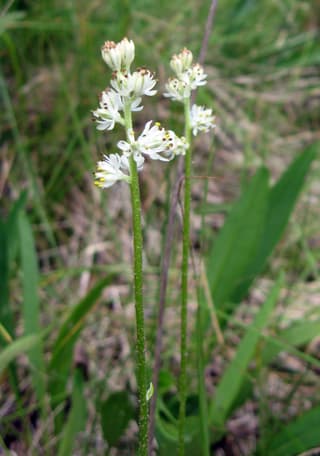
| Sticky false asphodel | Hard | Bright indirect | 1d | ✓ |
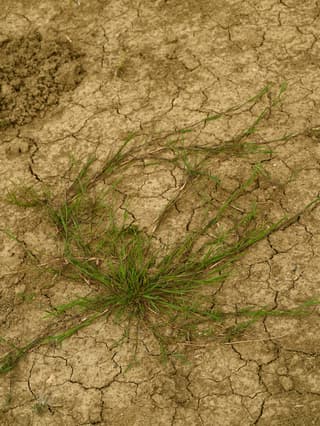
| Creeping bentgrass | Hard | Direct sun | 3d | ✓ |
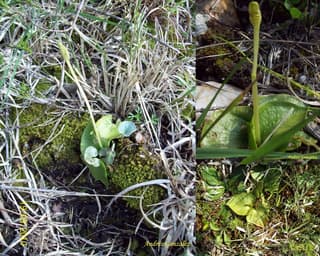
| Bulbous Adder's-tongue | Hard | Partial shade | 4d | ✓ |
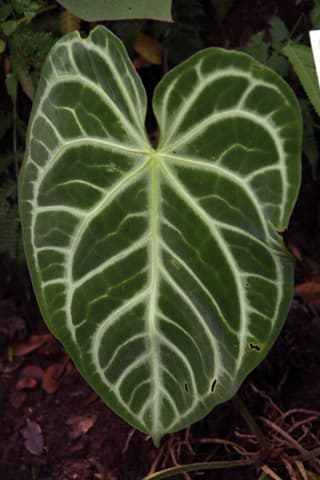
| Crystal Anthurium | Hard | Partial shade | 7d | ⚠️ |