Gesneriaceae
Tree Gloxinia (Kohleria amabilis) Care Guide
Kohleria amabilis
Bright indirect light, evenly moist but well-drained soil, and high humidity keep this tropical gesneriad blooming for months. It stores water in its rhizomes, so it tolerates dry spells far better than soggy soil.
Every 7 days
Partial shade
18° - 27°C
50% - 70%
Categories
What is Tree Gloxinia?
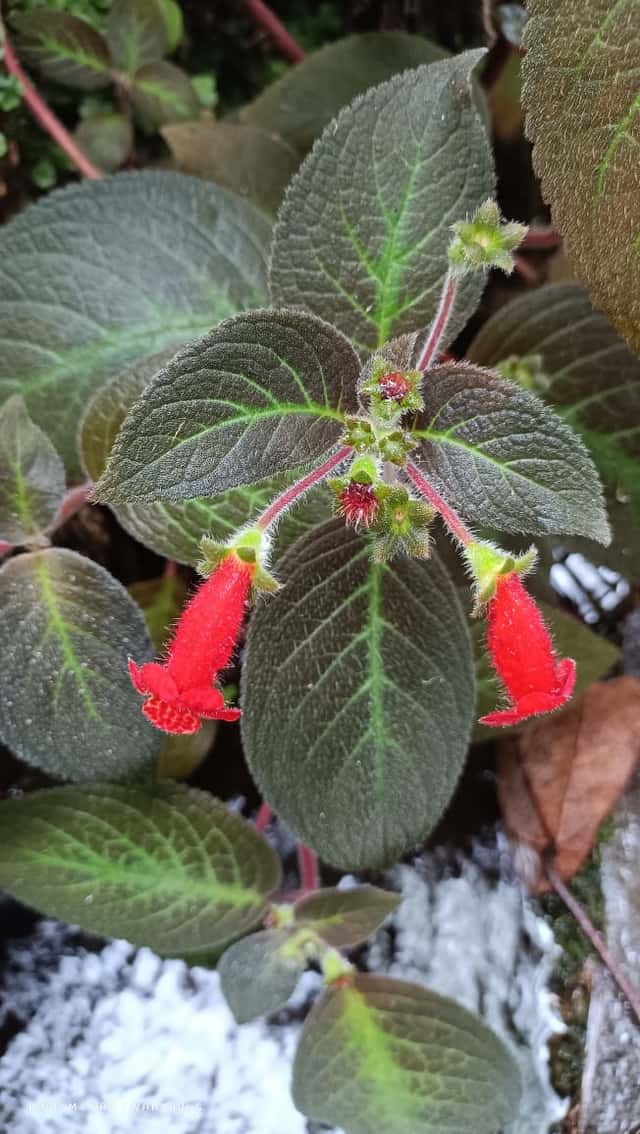
Tree Gloxinia (Kohleria amabilis) is a medium-care plant from the Gesneriaceae family. Kohleria amabilis, known as the tree gloxinia, is a rhizomatous perennial in the Gesneriaceae family native to Colombia and Honduras. It features velvety, silver-patterned oval leaves and nodding tubular flowers that are pink outside with red or purple spotting inside, blooming from late winter thro...
Tree Gloxinia grows up to 60cm, watering every 7 days, 18°C – 27°C, 50–70% humidity. It is suitable for indoor environments and safe for pets.
Unlike many popular species, Tree Gloxinia is safe to keep around pets. Without adequate drainage, root rot can develop within 14 days.
How to Care for Tree Gloxinia?
TLDR: Tree Gloxinia needs Partial shade, watering every 7 days, and temperatures between 18-27°C with 50-70% humidity.
How Often Should You Water Tree Gloxinia?
Water thoroughly and let the top 5 cm of soil dry between waterings in spring through fall; reduce sharply in winter to just enough to prevent wilting.
How Much Light Does Tree Gloxinia Need?
Give it bright, filtered light from an east, south, or west-facing window - direct sun scorches the velvety leaves.
What Is the Best Soil for Tree Gloxinia?
Use a light, peat-based mix (an African violet potting mix works well) with added perlite for drainage.
What Pot Should You Use for Tree Gloxinia?
A shallow, wide pot with generous drainage holes suits its rhizome growth habit.
Care Schedule
Fertilize
Every 30 days
Rotate
Every 14 days
Repot
Every 365 days
What Is Tree Gloxinia and Where Does It Come From?
Kohleria amabilis, known as the tree gloxinia, is a rhizomatous perennial in the Gesneriaceae family native to Colombia and Honduras. It features velvety, silver-patterned oval leaves and nodding tubular flowers that are pink outside with red or purple spotting inside, blooming from late winter through summer.
How to Propagate Tree Gloxinia?
Rhizome division
Handle rhizomes gently - they look like small pinecones and bruise easily.
- 1 Unpot the plant in spring and gently separate the scaly rhizomes.
- 2 Plant each rhizome section horizontally about 2 cm deep in fresh, well-draining mix.
- 3 Keep the soil lightly moist and warm until new shoots emerge.
Materials needed:
Leaf-tip cutting
Keep cuttings warm and out of direct sun until roots establish.
- 1 Cut a healthy 10 cm leaf-tip section with a couple of leaves attached.
- 2 Let the cut end callus for a few hours.
- 3 Insert into moist, well-draining mix and cover to keep humidity high.
Materials needed:
How Big Does Tree Gloxinia Grow?
TLDR: Tree Gloxinia can reach up to 60cm tall with Medium growth rate.
Max height
60cm
Growth rate
Medium
Foliage
Deciduous
Plant Uses
Ornamental
Great for decoration
Is your plant showing symptoms?
Click on the symptom to discover possible causes:
What Diseases Commonly Affect Tree Gloxinia?
TLDR: Tree Gloxinia is susceptible to 5 known diseases. Monitor regularly for early detection.
Root Rot
Root rot is a serious fungal disease that affects the root system of plants, causing them to decay and die. It is primarily caused by overwatering, poor drainage, or soil-borne fungi such as Pythium, Phytophthora, Rhizoctonia, and Fusarium. The disease thrives in waterlogged conditions where roots are deprived of oxygen, making them susceptible to fungal infection.
Aphids
Aphids are small, soft-bodied, pear-shaped insects (1/16 to 1/8 inch long) that feed by sucking nutrient-rich sap from plants. They reproduce rapidly and can quickly weaken plants, causing distorted growth and transmitting plant viruses. Aphids come in various colors including green, black, red, yellow, brown, and gray. They secrete honeydew, a sticky substance that attracts ants and encourages sooty mold growth.
Mealybugs
Mealybugs are small, soft-bodied insects covered with a white, waxy, cottony material. They are common pests of houseplants and outdoor plants in mild climates. These sap-sucking insects feed on plant tissue, causing damage, stunted growth, and can lead to plant death if left untreated. They produce sticky honeydew which attracts sooty mold.
Spider Mites
Spider mites are tiny arachnids (less than 1/20 inch long) related to spiders and ticks that feed on plant sap. They thrive in hot, dry conditions and can cause significant damage to ornamental and vegetable plants. During severe infestations, crop losses can reach 14% or higher as these pests disrupt vital plant processes including photosynthesis, carbon dioxide absorption, and transpiration.
Meaning & Symbolism
As a lesser-known gesneriad, tree gloxinia does not carry widespread cultural symbolism, but among collectors it represents rare tropical beauty and rewarding patience.
Fun Facts
Kohleria amabilis stores water in underground rhizomes, letting it shrug off dry spells that would kill less prepared houseplants.
The species name amabilis means lovable or lovely in Latin, a nod to its charming spotted blooms.
It is a close cousin of African violets and gloxinias, all members of the Gesneriaceae family.
Each tubular flower is speckled inside like a tiny leopard print, a pattern that helps guide pollinators to its nectar.
Frequently asked questions
Is Kohleria amabilis toxic to cats or dogs?
Why did my tree gloxinia lose all its leaves?
How often should I water Kohleria amabilis?
How do I propagate tree gloxinia?
Compare with similar plants
| Attribute | Difficulty | Light | Watering | Pet Safe |
|---|---|---|---|---|
| Dark Fieldcap | Medium | Low light | 2d | ⚠️ |
| Azalea | Medium | Partial shade | 3d | ⚠️ |
| Muriel's Bamboo | Medium | Partial shade | 3d | ✓ |
| Bougainvillea | Medium | Direct sun | 7d | ⚠️ |




