Hypericaceae
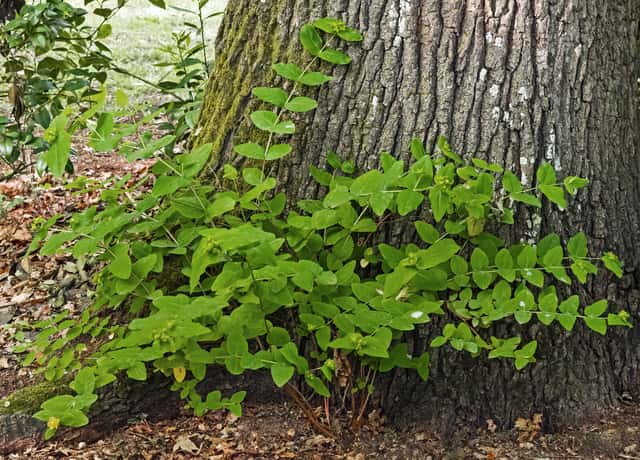
Tutsan (Hypericum androsaemum)
Hypericum androsaemum
An easy, low-maintenance shrub that tolerates full sun to part shade and a wide range of soils, provided drainage is adequate. Water weekly during summer and dry spells, tapering off in winter; once established it is quite drought tolerant.
Every 7 days
Partial shade
-15° - °C
% - %
Categories
What is Tutsan?
Tutsan (Hypericum androsaemum) is a easy-care plant from the Hypericaceae family. Hypericum androsaemum, commonly called tutsan or sweet-amber, is a semi-evergreen shrub in the family Hypericaceae, native to Europe, North Africa, and western Asia. It grows 0.5-1 m tall with paired oval leaves and golden-yellow, star-shaped flowers that bloom from late spring through summer. The b...
Tutsan grows up to 1.0m, spread of 100cm, watering every 7 days. It is not suitable for indoor environments and not safe for pets.
Unlike many tropical plants, Tutsan tolerates watering mistakes. Best for beginners. Without precautions, ingestion can cause irritation in pets. Keep out of reach of cats and dogs.
How to Care for Tutsan?
TLDR: Tutsan needs Partial shade, watering every 7 days, and temperatures between -15-30°C with 40-70% humidity.
How Often Should You Water Tutsan?
Water about once a week during summer and dry periods; reduce watering in winter. Avoid waterlogged soil.
How Much Light Does Tutsan Need?
Grows in full sun or partial shade; flowers most freely with several hours of direct sun.
What Is the Best Soil for Tutsan?
Tolerates sandy, loamy, clay, or chalky soils as long as they drain well; prefers organically rich soil with a pH between roughly 5 and 8.
What Pot Should You Use for Tutsan?
Best planted directly in the garden; if container-grown, use a wide pot with excellent drainage.
What Is Tutsan and Where Does It Come From?
Hypericum androsaemum, commonly called tutsan or sweet-amber, is a semi-evergreen shrub in the family Hypericaceae, native to Europe, North Africa, and western Asia. It grows 0.5-1 m tall with paired oval leaves and golden-yellow, star-shaped flowers that bloom from late spring through summer. The berry-like fruits mature from red to purplish-black and are ornamental but not edible.
How to Propagate Tutsan?
Semi-hardwood cutting
Use clean, sharp tools and keep cuttings humid and shaded until roots form.
- 1 Take 10-12 cm semi-hardwood cuttings in late summer, ideally with a small heel of older wood
- 2 Strip the lower leaves and dip the cut end in rooting hormone
- 3 Insert into a well-drained propagation medium and keep moist in a sheltered spot
- 4 Transplant to the final position the following spring
Materials needed:
Clump division
Works especially well on suckering specimens that have formed multiple crowns.
- 1 Choose a mature, dormant clump in early spring
- 2 Carefully dig up and split the clump into sections with viable roots and shoots
- 3 Replant immediately in the final location
- 4 Water thoroughly after planting
Materials needed:
How Big Does Tutsan Grow?
TLDR: Tutsan can reach up to 1.0m tall with Fast growth rate.
Max height
1.0m
Spread
1.0m
Growth rate
Fast
Foliage
Semi-evergreen
Warning: Toxic Plant
This plant can be toxic if ingested. Keep out of reach of:
Plant Uses
Ornamental
Great for decoration
Medicinal
Medicinal properties
Medicinal Uses
- Leaves traditionally applied topically as a folk remedy to help minor wounds heal (popular use, not clinically proven)
Is your plant showing symptoms?
Click on the symptom to discover possible causes:
What Diseases Commonly Affect Tutsan?
TLDR: Tutsan is susceptible to 8 known diseases. Monitor regularly for early detection.
Rust
Rust is a common fungal disease caused by fungi in the order Pucciniales that affects a wide variety of plants. The disease gets its name from the characteristic orange, yellow, or reddish-brown pustules that appear on leaves, resembling metal rust. This obligate fungal parasite requires living plants to survive and can cause significant economic losses in agricultural crops.
Powdery Mildew
Powdery mildew is a common fungal disease caused by various fungi species including Erysiphe, Podosphaera, Oïdium, and Leveillula. It affects over 10,000 plant species worldwide. The disease thrives in warm, dry climates with high humidity and appears as a distinctive white powdery coating on plant surfaces.
Scale Insects
Scale insects are small sap-sucking pests that appear as brown, shell-like bumps on plant stems and leaves. There are over 25 species, divided into armored (hard) and unarmored (soft) scales. They feed by piercing plant tissue and extracting sap, which weakens the plant and can lead to yellowing, stunted growth, and even death if left untreated. They also excrete honeydew, which attracts ants and promotes sooty mold growth.
Leaf Spot
Leaf spot is a common fungal disease caused by various pathogens including Alternaria, Ascochyta, Colletotrichum, Septoria, and Venturia. It primarily affects leaves, causing discolored spots that can lead to premature leaf drop if left untreated.
Meaning & Symbolism
In European folk tradition, sprigs of tutsan were hung over doorways on St John's Eve (midsummer) to ward off evil spirits. Its name comes from the Old French "toute-saine", meaning "all-healthy", a nod to its traditional reputation as a wound-healing herb.
Fun Facts
The name "tutsan" comes from the French "toute-saine", meaning "all-healthy"
Its berries change color as they ripen, from red to purplish-black
It can self-seed freely and is considered weedy or even invasive in some regions outside its native range
Frequently asked questions
Is tutsan toxic to cats and dogs?
How often should I water tutsan?
Does tutsan need full sun?
What diseases commonly affect tutsan?
Compare with similar plants
| Attribute | Difficulty | Light | Watering | Pet Safe |
|---|---|---|---|---|
| Field Maple | Easy | Bright indirect | 14d | ✓ |
| Silver Birch | Easy | Direct sun | 14d | ✓ |
| Common Blanketflower | Easy | Direct sun | 10d | ✓ |
| Cushion Bush | Easy | Direct sun | 14d | ✓ |
Choose & Compare
Sources & References
- Hypericum androsaemum | tutsan - RHS
- Hypericum androsaemum - Missouri Botanical Garden Plant Finder
- Hypericum: Rust - Hortsense, Washington State University
- Hypericum x inodorum (St. John's Wort, Tutsan) - NC State Extension Gardener Plant Toolbox
- Toxic and Non-toxic Plants: St. John's Wort - ASPCA
- Hypericum androsaemum (Tutsan) - Practical Plants





