Asteraceae
Centaurea nigrescens - Tyrol Knapweed Care Guide
Centaurea nigrescens
Give it full sun, well-draining loamy soil, and let the topsoil dry out between waterings. It tolerates poor soil, drought, and cold winters with little fuss, and rewards deadheading with a longer bloom season.
Every 10 days
Direct sun
-10° - 35°C
40% - 70%
Categories
What is Tyrol Knapweed?
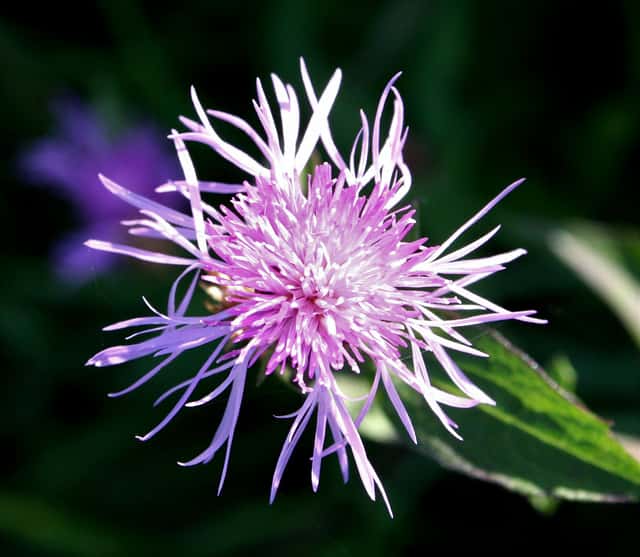
Tyrol Knapweed (Centaurea nigrescens) is a easy-care plant from the Asteraceae family. Centaurea nigrescens is a hardy perennial wildflower in the daisy family (Asteraceae), native to the mountain meadows of Central and Southeastern Europe. Its erect, branching stems bear thistle-like purplish-pink flower heads with distinctively dark, fringed bracts from summer into fall. Though priz...
Tyrol Knapweed grows up to 1.0m, watering every 10 days, -10°C – 35°C, 40–70% humidity. It is not suitable for indoor environments and safe for pets.
Unlike many tropical plants, Tyrol Knapweed tolerates watering mistakes. Best for beginners. Unlike many popular species, Tyrol Knapweed is safe to keep around pets.
How to Care for Tyrol Knapweed?
TLDR: Tyrol Knapweed needs Direct sun, watering every 10 days, and temperatures between -10-35°C with 40-70% humidity.
How Often Should You Water Tyrol Knapweed?
Water deeply but infrequently, about every 10 days, letting the soil dry out almost completely between waterings. Established plants handle drought well and dislike soggy roots.
How Much Light Does Tyrol Knapweed Need?
Needs full, direct sun for at least 6 hours a day to produce its best flush of flowers; leggy growth and fewer blooms signal too much shade.
What Is the Best Soil for Tyrol Knapweed?
Plant in well-draining loamy soil with a slightly acidic to neutral pH (6.0-7.5); mix in sand or grit if your soil holds too much moisture.
What Pot Should You Use for Tyrol Knapweed?
Best grown in the ground or in a large, well-draining terracotta container that lets excess moisture escape quickly.
What Is Tyrol Knapweed and Where Does It Come From?
Centaurea nigrescens is a hardy perennial wildflower in the daisy family (Asteraceae), native to the mountain meadows of Central and Southeastern Europe. Its erect, branching stems bear thistle-like purplish-pink flower heads with distinctively dark, fringed bracts from summer into fall. Though prized in wildflower and pollinator gardens for its tough, low-maintenance nature, it has also naturalized widely outside its native range and is regulated as a noxious weed in parts of North America, so check local regulations before planting.
How to Propagate Tyrol Knapweed?
Division
Divide every 2-3 years to keep clumps vigorous and prevent overcrowding.
- 1 Dig up an established clump in early spring before new growth appears
- 2 Separate the root ball into sections, each with several shoots and healthy roots
- 3 Replant divisions immediately in well-draining soil and water well
Materials needed:
Seed sowing
Seeds need light to germinate, so do not bury them deeply.
- 1 Sow seeds directly outdoors after the last frost, or start indoors 6-8 weeks earlier
- 2 Press seeds lightly into well-draining soil and keep lightly moist until germination
- 3 Thin seedlings to 30-40 cm apart once they have true leaves
Materials needed:
How Big Does Tyrol Knapweed Grow?
TLDR: Tyrol Knapweed can reach up to 1.0m tall with Medium growth rate.
Max height
1.0m
Growth rate
Medium
Foliage
Deciduous
Plant Uses
Ornamental
Great for decoration
Is your plant showing symptoms?
Click on the symptom to discover possible causes:
What Diseases Commonly Affect Tyrol Knapweed?
TLDR: Tyrol Knapweed is susceptible to 3 known diseases. Monitor regularly for early detection.
Aphids
Aphids are small, soft-bodied, pear-shaped insects (1/16 to 1/8 inch long) that feed by sucking nutrient-rich sap from plants. They reproduce rapidly and can quickly weaken plants, causing distorted growth and transmitting plant viruses. Aphids come in various colors including green, black, red, yellow, brown, and gray. They secrete honeydew, a sticky substance that attracts ants and encourages sooty mold growth.
Caterpillars
Caterpillars are the larval stage of moths and butterflies that feed voraciously on plant foliage, stems, flowers, and fruits. Common species include cabbage loopers, tomato hornworms, armyworms, and cutworms. These pests can cause extensive damage by consuming large amounts of plant tissue in a short time. They vary in size from small (1/4 inch) to large (5 inches), with colors ranging from green to brown, often featuring stripes or spots. Caterpillars are highly mobile and can quickly spread throughout gardens, making them one of the most destructive common pests.
Powdery Mildew
Powdery mildew is a common fungal disease caused by various fungi species including Erysiphe, Podosphaera, Oïdium, and Leveillula. It affects over 10,000 plant species worldwide. The disease thrives in warm, dry climates with high humidity and appears as a distinctive white powdery coating on plant surfaces.
Meaning & Symbolism
Like its cornflower cousins, Tyrol knapweed is often associated with delicacy, hope, and quiet resilience, a wildflower that thrives in rugged, disturbed ground.
Fun Facts
The dark, fringed bracts beneath its flower heads give the species its name nigrescens, meaning turning black in Latin.
Tyrol knapweed is native to the mountain meadows of Central and Southeastern Europe but has naturalized across parts of North America.
It belongs to the same genus as the classic blue cornflower (Centaurea cyanus).
Frequently asked questions
Is Tyrol knapweed invasive?
How often should I water Centaurea nigrescens?
Is Centaurea nigrescens toxic to pets?
How do I get more blooms from my Tyrol knapweed?
Compare with similar plants
| Attribute | Difficulty | Light | Watering | Pet Safe |
|---|---|---|---|---|
| Field Maple | Easy | Bright indirect | 14d | ✓ |
| Silver Birch | Easy | Direct sun | 14d | ✓ |
| Common Blanketflower | Easy | Direct sun | 10d | ✓ |
| Cushion Bush | Easy | Direct sun | 14d | ✓ |
Choose & Compare
Sources & References
- How To Grow Centaurea nigrescens | EarthOne
- Alpine knapweed, Tyrol knapweed: Centaurea nigrescens - Invasive Plant Atlas of the United States
- Centaurea nigrescens (short-fringed knapweed) - Go Botany
- Tyrol knapweed (Centaurea nigrescens) - Botanical Realm
- Tyrol knapweed | (Centaurea nigrescens) | Wisconsin DNR





