Orchidaceae
Vanda Orchid: Pet-Safe Plant
Vanda
Requires strict maintenance with daily root watering, high humidity, and bright, filtered sunlight.
Every 2 days
Bright indirect
15° - 35°C
65% - 80%
Categories
What is Vanda Orchid?
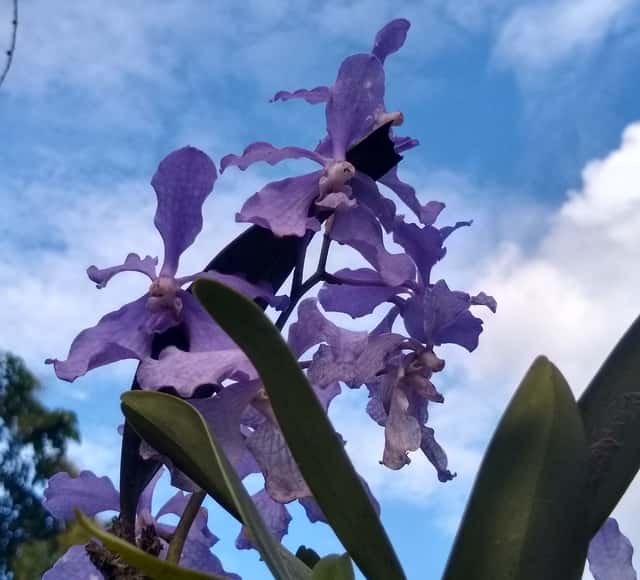
Vanda Orchid (Vanda) is a hard-care plant from the Orchidaceae family. Orchids of the genus Vanda are tropical epiphytes known for their striking aerial roots and vibrant flowers, including the rare natural blue. Unlike other orchids, they are not typically grown in dense potting media, preferring hanging baskets that allow their roots to be exposed to air and light.
Vanda Orchid grows up to 1.5m, spread of 60cm, watering every 2 days, 15°C – 35°C, 65–80% humidity. It is suitable for indoor environments and safe for pets.
Unlike easy-care plants, Vanda Orchid demands constant attention to humidity and light. Not recommended for beginners. Unlike many popular species, Vanda Orchid is safe to keep around pets. Without adequate drainage, root rot can develop within 7 days.
How to Care for Vanda Orchid?
TLDR: Vanda Orchid needs Bright indirect, watering every 2 days, and temperatures between 15-35°C with 65-80% humidity.
How Often Should You Water Vanda Orchid?
Water the roots daily until they turn bright green. On very hot days, mist the plant several times a day.
How Much Light Does Vanda Orchid Need?
Vandas need high light levels to bloom. Dark green leaves indicate insufficient light, while light green leaves are ideal.
What Is the Best Soil for Vanda Orchid?
Do not use soil or standard potting mixes. The roots require full air circulation and should be left hanging or placed in slatted baskets.
What Pot Should You Use for Vanda Orchid?
Wooden slat baskets (Vanda baskets) or tall glass vases without any substrate.
Care Schedule
Fertilize
Every 14 days
Misting
Every 1 days
Repot
Every 730 days
What Is Vanda Orchid and Where Does It Come From?
Orchids of the genus Vanda are tropical epiphytes known for their striking aerial roots and vibrant flowers, including the rare natural blue. Unlike other orchids, they are not typically grown in dense potting media, preferring hanging baskets that allow their roots to be exposed to air and light.
How to Propagate Vanda Orchid?
Keiki Removal
- Keep humidity very high after separation
- Use cinnamon powder on cuts to prevent fungus
- 1 Identification
Wait until the side shoot (keiki) has at least three roots that are 2 inches (5 cm) long.
- 2 Separation
Carefully cut the keiki from the mother plant using a sterilized blade.
- 3 Placement
Place the new seedling in a small wooden basket, securing it lightly until the roots establish themselves.
Materials needed:
Top Cutting
- Only perform this method on mature and very long plants
- Avoid watering the cut site directly for the first few days
- 1 Selection
Choose a tall plant that has several aerial roots along the stem.
- 2 Cutting
Cut the top part of the plant, ensuring the removed section has at least 3 to 4 healthy roots.
- 3 Planting
Install the top part in a new basket and keep the original base, which may generate new shoots.
Materials needed:
How Big Does Vanda Orchid Grow?
TLDR: Vanda Orchid can reach up to 1.5m tall with Slow growth rate.
Max height
1.5m
Spread
60cm
Growth rate
Slow
Foliage
Evergreen
Plant Uses
Ornamental
Great for decoration
Air Purifying
Improves air quality
Is your plant showing symptoms?
Click on the symptom to discover possible causes:
What Diseases Commonly Affect Vanda Orchid?
TLDR: Vanda Orchid is susceptible to 14 known diseases. Monitor regularly for early detection.
Root Rot
Root rot is a serious fungal disease that affects the root system of plants, causing them to decay and die. It is primarily caused by overwatering, poor drainage, or soil-borne fungi such as Pythium, Phytophthora, Rhizoctonia, and Fusarium. The disease thrives in waterlogged conditions where roots are deprived of oxygen, making them susceptible to fungal infection.
Bacterial Soft Rot
Bacterial soft rot is a destructive plant disease caused primarily by bacteria from the genera Pectobacterium (formerly Erwinia) and Dickeya. These bacteria produce enzymes that break down plant cell walls, causing rapid and foul-smelling tissue decomposition. It mainly affects succulent tissues such as tubers, fruits, stems, and bulbs, being especially problematic in warm and humid conditions.
Bacterial Leaf Spot
Bacterial leaf spot is a plant disease caused by bacteria in the Xanthomonas and Pseudomonas genera that affects various ornamental and edible plants. The bacteria infect leaves through wounds or natural openings, causing characteristic lesions that can lead to premature leaf drop and plant weakening.
Leaf Spot
Leaf spot is a common fungal disease caused by various pathogens including Alternaria, Ascochyta, Colletotrichum, Septoria, and Venturia. It primarily affects leaves, causing discolored spots that can lead to premature leaf drop if left untreated.
Meaning & Symbolism
Represents love, beauty, refinement, and a high spiritual connection.
Compare with similar plants
| Attribute | Difficulty | Light | Watering | Pet Safe |
|---|---|---|---|---|
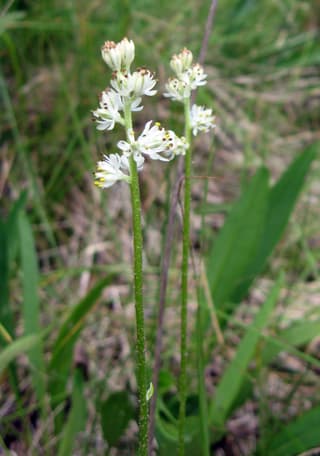
| Sticky false asphodel | Hard | Bright indirect | 1d | ✓ |
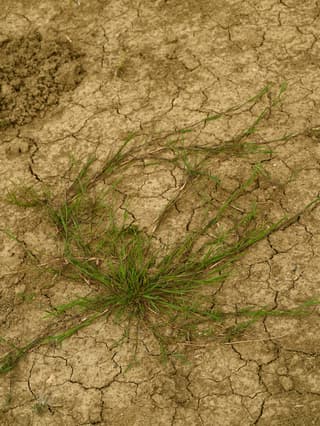
| Creeping bentgrass | Hard | Direct sun | 3d | ✓ |
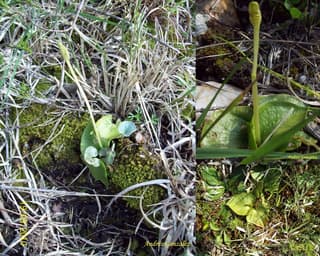
| Bulbous Adder's-tongue | Hard | Partial shade | 4d | ✓ |
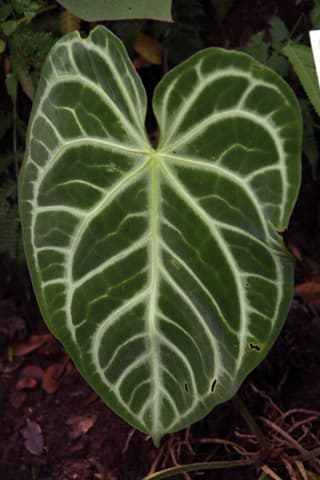
| Crystal Anthurium | Hard | Partial shade | 7d | ⚠️ |