Zamiaceae
Virgin's Palm: Low Water Needs
Dioon edule
A very slow-growing plant that requires full sun or intense light and soil with excellent drainage. It is highly drought-tolerant but sensitive to excess moisture at the roots.
Every 14 days
Bright indirect
-5° - 38°C
40% - 60%
Categories
What is Virgin's Palm?
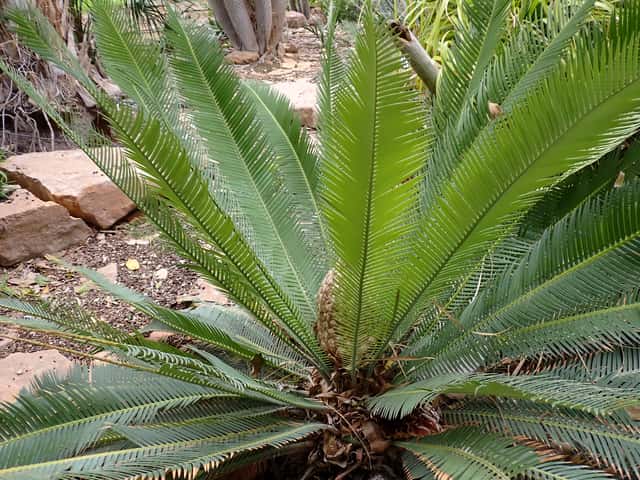
Virgin's Palm (Dioon edule) is a hard-care plant from the Zamiaceae family. Dioon edule, commonly known as the Virgin's Palm, is a prehistoric cycad native to Mexico. This plant resembles a palm tree but is botanically closer to conifers. It features stiff, pinnate, matte blue-green leaves that grow in a symmetrical rosette from a short central trunk. It is an extremely lon...
Virgin's Palm grows up to 3.0m, spread of 120cm, watering every 14 days, -5°C – 38°C, 40–60% humidity. It is suitable for indoor environments and not safe for pets.
Unlike easy-care plants, Virgin's Palm demands constant attention to humidity and light. Not recommended for beginners. Without precautions, ingestion can cause irritation in pets. Keep out of reach of cats and dogs. Without adequate drainage, root rot can develop within 28 days.
How to Care for Virgin's Palm?
TLDR: Virgin's Palm needs Bright indirect, watering every 14 days, and temperatures between -5-38°C with 40-60% humidity.
How Often Should You Water Virgin's Palm?
Water deeply and wait for the soil to dry out 100% before watering again. In winter, watering should be almost entirely suspended.
How Much Light Does Virgin's Palm Need?
Although it tolerates partial shade, Dioon edule develops more compact and robust leaves when grown in full sun.
What Is the Best Soil for Virgin's Palm?
Use a highly porous mixture, such as cactus soil mixed with fine gravel or perlite.
What Pot Should You Use for Virgin's Palm?
Terra cotta or heavy ceramic pots with ample drainage holes to prevent water accumulation and ensure plant stability.
Care Schedule
Fertilize
Every 90 days
Rotate
Every 30 days
Repot
Every 1095 days
What Is Virgin's Palm and Where Does It Come From?
Dioon edule, commonly known as the Virgin's Palm, is a prehistoric cycad native to Mexico. This plant resembles a palm tree but is botanically closer to conifers. It features stiff, pinnate, matte blue-green leaves that grow in a symmetrical rosette from a short central trunk. It is an extremely long-lived 'living fossil,' capable of living for hundreds of years, and is highly valued in xeriscaping for its resilience and sculptural form.
How to Propagate Virgin's Palm?
Seed Propagation
- Germination can be very slow and irregular.
- Use bottom heat to speed up the process.
- 1 Harvesting and Cleaning
Remove the outer pulp from mature seeds using gloves, as they are toxic.
- 2 Float Test
Place the seeds in water; those that float are generally not viable.
- 3 Sowing
Press the seed horizontally into a sandy substrate, leaving half exposed.
- 4 Maintenance
Keep the substrate slightly moist and in a warm location until germination.
Materials needed:
Removal of Offsets (Pups)
- Apply cinnamon powder or fungicide to the cut to prevent infection.
- Do not bury the offset too deeply.
- 1 Separation
Carefully cut the offsets that emerge at the base of the main trunk with a sterilized knife.
- 2 Callousing
Let the offset dry in the shade for a few days so the cut can callous over.
- 3 Planting
Plant in a pot with a well-draining mixture and water moderately.
Materials needed:
How Big Does Virgin's Palm Grow?
TLDR: Virgin's Palm can reach up to 3.0m tall with Slow growth rate.
Max height
3.0m
Spread
1.2m
Growth rate
Slow
Foliage
Evergreen
Warning: Toxic Plant
This plant can be toxic if ingested. Keep out of reach of:
Plant Uses
Ornamental
Great for decoration
Culinary Uses
- Historically, the seeds were processed to remove toxins and produce flour, but domestic consumption is dangerous and not recommended.
Is your plant showing symptoms?
Click on the symptom to discover possible causes:
What Diseases Commonly Affect Virgin's Palm?
TLDR: Virgin's Palm is susceptible to 9 known diseases. Monitor regularly for early detection.
Root Rot
Root rot is a serious fungal disease that affects the root system of plants, causing them to decay and die. It is primarily caused by overwatering, poor drainage, or soil-borne fungi such as Pythium, Phytophthora, Rhizoctonia, and Fusarium. The disease thrives in waterlogged conditions where roots are deprived of oxygen, making them susceptible to fungal infection.
Crown Rot
Crown rot is a serious fungal disease that attacks the crown (base) of the plant where the stem meets the soil. It is caused by various fungal pathogens including Phytophthora, Fusarium, and Rhizoctonia. The disease thrives in waterlogged conditions and can quickly spread to kill the entire plant if not addressed promptly.
Scale Insects
Scale insects are small sap-sucking pests that appear as brown, shell-like bumps on plant stems and leaves. There are over 25 species, divided into armored (hard) and unarmored (soft) scales. They feed by piercing plant tissue and extracting sap, which weakens the plant and can lead to yellowing, stunted growth, and even death if left untreated. They also excrete honeydew, which attracts ants and promotes sooty mold growth.
Overwatering
Overwatering occurs when plants receive too much water, depriving roots of oxygen and causing root rot. This environmental stress is one of the most common causes of houseplant death, as waterlogged soil prevents roots from breathing and functioning properly.
Meaning & Symbolism
Symbolizes immortality, resilience, and the connection to Earth's geological past.
Compare with similar plants
| Attribute | Difficulty | Light | Watering | Pet Safe |
|---|---|---|---|---|
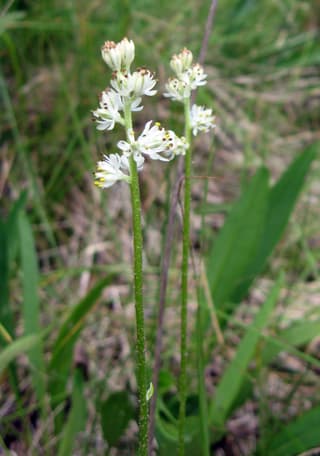
| Sticky false asphodel | Hard | Bright indirect | 1d | ✓ |
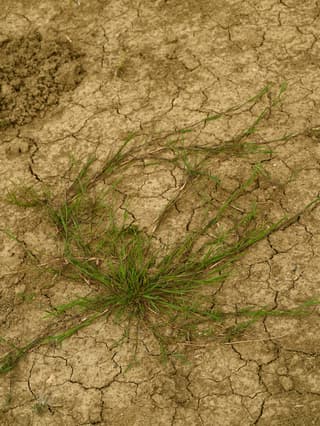
| Creeping bentgrass | Hard | Direct sun | 3d | ✓ |
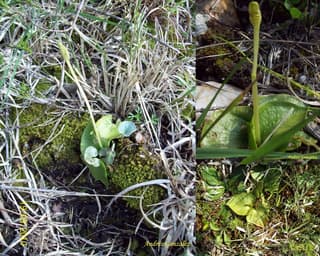
| Bulbous Adder's-tongue | Hard | Partial shade | 4d | ✓ |
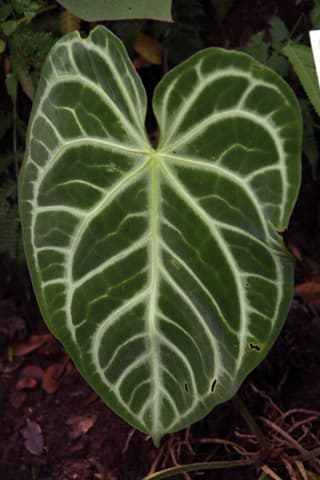
| Crystal Anthurium | Hard | Partial shade | 7d | ⚠️ |