Campanulaceae
Water Lobelia (Lobelia dortmanna)
Lobelia dortmanna
Best grown in a pond or bog garden with its roots permanently submerged in shallow, acidic, sandy or peaty water. Needs full sun, poor-to-average nutrients, and cannot tolerate drying out or nutrient-rich (eutrophic) water.
Every 1 days
Bright indirect
0° - 24°C
70% - 100%
Categories
What is Water Lobelia?
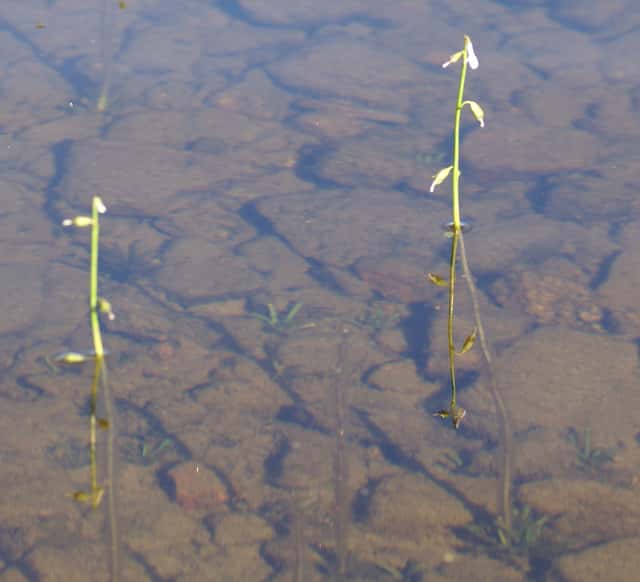
Water Lobelia (Lobelia dortmanna) is a hard-care plant from the Campanulaceae family. Water lobelia is a small, evergreen aquatic perennial native to cold, nutrient-poor lakes across northern Europe and North America. It forms submerged rosettes of stiff, tubular leaves on the lake bottom, while slender flower spikes rise 10-30 cm above the surface in summer, bearing pale blue to whi...
Water Lobelia grows up to 90cm, watering every 1 days, 0°C – 24°C, 70–100% humidity. It is not suitable for indoor environments and not safe for pets.
Unlike easy-care plants, Water Lobelia demands constant attention to humidity and light. Not recommended for beginners. Without precautions, ingestion can cause irritation in pets. Keep out of reach of cats and dogs.
How to Care for Water Lobelia?
TLDR: Water Lobelia needs Bright indirect, watering every 1 days, and temperatures between 0-24°C with 70-100% humidity.
How Often Should You Water Water Lobelia?
Keep the root zone permanently submerged in 15-60 cm of water; never let it dry out, and avoid fertilized or nutrient-rich water, which can outcompete or damage it.
How Much Light Does Water Lobelia Need?
Give full sun to very light shade; flowering declines noticeably in deep shade.
What Is the Best Soil for Water Lobelia?
Use a sandy or peaty, acidic-to-neutral substrate with very low nutrient content — rich soil is actually harmful to this species.
What Pot Should You Use for Water Lobelia?
A wide, shallow pond basket or aquatic container without drainage holes, set in 15-60 cm of water over a sandy/peaty substrate.
What Is Water Lobelia and Where Does It Come From?
Water lobelia is a small, evergreen aquatic perennial native to cold, nutrient-poor lakes across northern Europe and North America. It forms submerged rosettes of stiff, tubular leaves on the lake bottom, while slender flower spikes rise 10-30 cm above the surface in summer, bearing pale blue to white two-lipped flowers. Unusually, it draws most of its carbon dioxide from the sediment rather than the air, an adaptation that lets it thrive where few other plants can survive.
How to Propagate Water Lobelia?
Seed sowing
Fresh seed germinates far better than stored seed; never let the growing medium dry out.
- 1 Collect ripe seed capsules in late summer
- 2 Sow fresh seed on the surface of wet sandy/peaty substrate in a cold frame
- 3 Keep the substrate permanently waterlogged or submerged in shallow water
- 4 Transplant seedlings to their permanent pond position once rosettes form
Materials needed:
Division of offsets
Handle roots gently and replant immediately — they should not be allowed to dry out even briefly.
- 1 Lift an established clump from the pond margin in spring
- 2 Gently separate rooted rosette offsets from the parent plant
- 3 Replant each offset immediately in sandy/peaty substrate underwater
- 4 Keep fully submerged until new growth appears
Materials needed:
How Big Does Water Lobelia Grow?
TLDR: Water Lobelia can reach up to 90cm tall with Slow growth rate.
Max height
90cm
Growth rate
Slow
Foliage
Evergreen
Warning: Toxic Plant
This plant can be toxic if ingested. Keep out of reach of:
Plant Uses
Ornamental
Great for decoration
Medicinal
Medicinal properties
Medicinal Uses
- Historically used as an antiasthmatic, expectorant and diaphoretic
- Fresh-plant tincture used in folk medicine for headaches
Is your plant showing symptoms?
Click on the symptom to discover possible causes:
What Diseases Commonly Affect Water Lobelia?
TLDR: Water Lobelia is susceptible to 7 known diseases. Monitor regularly for early detection.
Rust
Rust is a common fungal disease caused by fungi in the order Pucciniales that affects a wide variety of plants. The disease gets its name from the characteristic orange, yellow, or reddish-brown pustules that appear on leaves, resembling metal rust. This obligate fungal parasite requires living plants to survive and can cause significant economic losses in agricultural crops.
Root Rot
Root rot is a serious fungal disease that affects the root system of plants, causing them to decay and die. It is primarily caused by overwatering, poor drainage, or soil-borne fungi such as Pythium, Phytophthora, Rhizoctonia, and Fusarium. The disease thrives in waterlogged conditions where roots are deprived of oxygen, making them susceptible to fungal infection.
Crown Rot
Crown rot is a serious fungal disease that attacks the crown (base) of the plant where the stem meets the soil. It is caused by various fungal pathogens including Phytophthora, Fusarium, and Rhizoctonia. The disease thrives in waterlogged conditions and can quickly spread to kill the entire plant if not addressed promptly.
Aphids
Aphids are small, soft-bodied, pear-shaped insects (1/16 to 1/8 inch long) that feed by sucking nutrient-rich sap from plants. They reproduce rapidly and can quickly weaken plants, causing distorted growth and transmitting plant viruses. Aphids come in various colors including green, black, red, yellow, brown, and gray. They secrete honeydew, a sticky substance that attracts ants and encourages sooty mold growth.
Meaning & Symbolism
In Victorian flower language lobelias generally signal distinction, but water lobelia specifically is often read as a symbol of quiet resilience, since it thrives in cold, barren waters where almost nothing else can grow.
Fun Facts
It absorbs carbon dioxide mainly from lake sediment through its roots instead of from the air through its leaves.
It only grows in clean, low-nutrient water and is considered an indicator species for pristine lakes and ponds.
Its range stretches from Newfoundland to New Jersey in North America and north of the Arctic Circle in Europe.
Frequently asked questions
Can I grow water lobelia in a regular houseplant pot?
Does water lobelia need fertilizer?
Is water lobelia toxic?
Compare with similar plants
| Attribute | Difficulty | Light | Watering | Pet Safe |
|---|---|---|---|---|
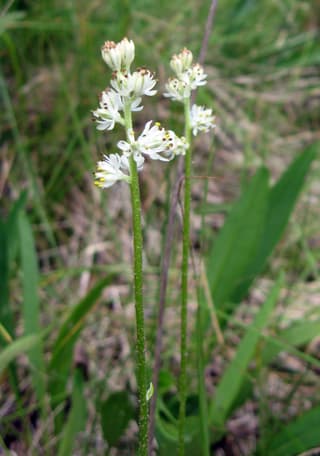
| Sticky false asphodel | Hard | Bright indirect | 1d | ✓ |
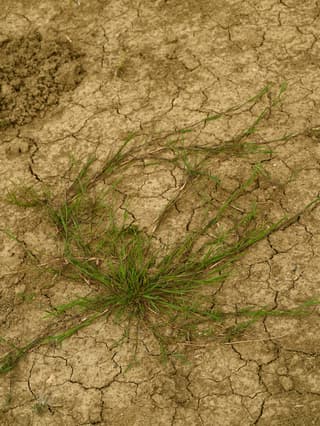
| Creeping bentgrass | Hard | Direct sun | 3d | ✓ |
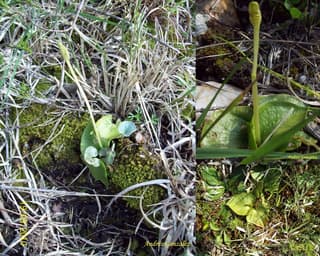
| Bulbous Adder's-tongue | Hard | Partial shade | 4d | ✓ |
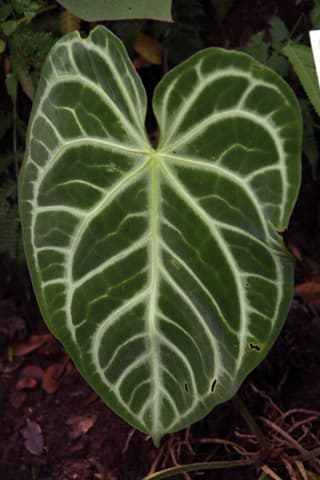
| Crystal Anthurium | Hard | Partial shade | 7d | ⚠️ |
Choose & Compare
Sources & References
- Lobelia dortmanna - PFAF Plant Database
- Lobelia dortmanna - Wikipedia
- Water Lobelia Plant Care & Growing Basics - PlantIn
- Lobelia dortmanna - Lady Bird Johnson Wildflower Center
- Lobelia dortmanna (water lobelia) - Go Botany
- Common Lobelia Pests and Diseases - The Plant Aide
- Problems With Lobelia - Gardening Know How