Polygonaceae
Water Pepper: Aromatic Plant
Persicaria hydropiper
Water pepper needs consistently moist to waterlogged, organically rich soil and full sun to partial shade. It grows quickly through a single season, flowering from summer into fall before setting seed. It tolerates poor soil fertility and requires little maintenance beyond keeping its roots wet.
Every 1 days
Bright indirect
° - °C
% - %
Categories
What is Water Pepper?
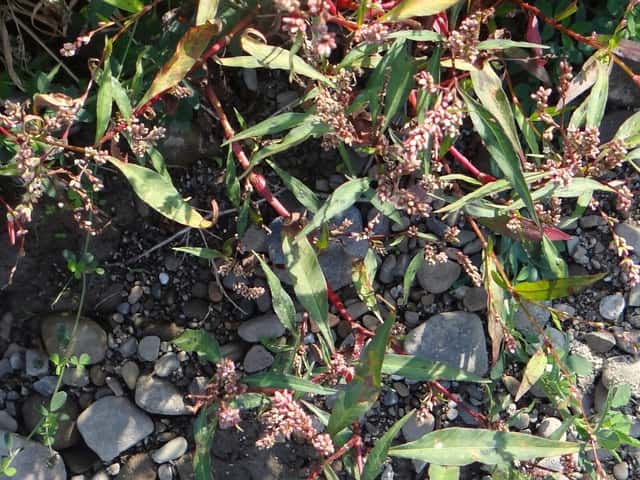
Water Pepper (Persicaria hydropiper) is a easy-care plant from the Polygonaceae family. Persicaria hydropiper, commonly called water pepper or marshpepper knotweed, is a fast-growing annual herb in the buckwheat family (Polygonaceae). Native to wet habitats across Eurasia and North Africa, it thrives along stream banks, pond edges, ditches, and soggy woodland margins. Its narrow, peppe...
Water Pepper grows up to 70cm, watering every 1 days. It is not suitable for indoor environments and safe for pets.
Unlike many tropical plants, Water Pepper tolerates watering mistakes. Best for beginners. Unlike many popular species, Water Pepper is safe to keep around pets.
How to Care for Water Pepper?
TLDR: Water Pepper needs Bright indirect, watering every 1 days, and temperatures between 15-30°C with 40-70% humidity.
How Often Should You Water Water Pepper?
Keep the soil constantly moist to wet -- this marsh-loving plant does not tolerate drying out. In a container, stand the pot in a saucer of water or grow it at a pond edge.
How Much Light Does Water Pepper Need?
Give it full sun for the best growth and flowering, though it also tolerates partial shade for part of the day.
What Is the Best Soil for Water Pepper?
Use a rich, organic, moisture-retentive soil such as loam or mucky clay. It adapts to sand, clay, or loam as long as moisture stays high.
What Pot Should You Use for Water Pepper?
Choose a container with minimal drainage, or one set in a water tray, to keep the wetland roots consistently saturated -- glazed ceramic or plastic pots work better than fast-draining terracotta.
Care Schedule
Fertilize
Every 14 days
Misting
Every 3 days
Rotate
Every 7 days
Repot
Every 365 days
What Is Water Pepper and Where Does It Come From?
Persicaria hydropiper, commonly called water pepper or marshpepper knotweed, is a fast-growing annual herb in the buckwheat family (Polygonaceae). Native to wet habitats across Eurasia and North Africa, it thrives along stream banks, pond edges, ditches, and soggy woodland margins. Its narrow, peppery-tasting leaves and slender spikes of small greenish-white flowers make it a distinctive wetland plant, prized in parts of Asia as a pungent culinary herb.
How to Propagate Water Pepper?
Seed propagation
Seeds germinate readily in wet mud; do not let the sowing area dry out.
- 1 Collect ripe seed in fall once flower spikes turn brown
- 2 Sow directly onto consistently moist or waterlogged soil in spring
- 3 Keep the seed bed saturated until seedlings establish
- 4 Thin seedlings once they reach a few centimeters tall
Materials needed:
How Big Does Water Pepper Grow?
TLDR: Water Pepper can reach up to 70cm tall with Fast growth rate.
Max height
70cm
Growth rate
Fast
Foliage
Deciduous
Warning: Toxic Plant
This plant can be toxic if ingested. Keep out of reach of:
Plant Uses
Edible
Can be consumed
Medicinal
Medicinal properties
Aromatic
Pleasant fragrance
Medicinal Uses
- Traditionally used as an astringent and hemostatic to help control uterine and menstrual bleeding
- Used in folk medicine for edema, rheumatoid pain, and inflammation
- Applied for respiratory and digestive complaints in traditional Chinese and Ayurvedic medicine
Culinary Uses
- Young red sprouts (beni-tade) are used in Japan as a peppery garnish for sashimi, sushi, and tempura
- Leaves are cooked as a pungent pepper substitute in soups, stews, and pies
- Used fresh in some Southeast Asian dishes such as laksa for their sharp, peppery flavor
Is your plant showing symptoms?
Click on the symptom to discover possible causes:
What Diseases Commonly Affect Water Pepper?
TLDR: Water Pepper is susceptible to 5 known diseases. Monitor regularly for early detection.
Flea beetle damage
Flea beetles are small, jumping insects that feed on the leaves of many vegetable crops. They chew numerous small, circular holes, creating a characteristic 'shothole' appearance. While established plants can often tolerate the damage, young seedlings are highly susceptible and can be stunted or killed if the infestation is severe.
Aphids
Aphids are small, soft-bodied, pear-shaped insects (1/16 to 1/8 inch long) that feed by sucking nutrient-rich sap from plants. They reproduce rapidly and can quickly weaken plants, causing distorted growth and transmitting plant viruses. Aphids come in various colors including green, black, red, yellow, brown, and gray. They secrete honeydew, a sticky substance that attracts ants and encourages sooty mold growth.
Caterpillars
Caterpillars are the larval stage of moths and butterflies that feed voraciously on plant foliage, stems, flowers, and fruits. Common species include cabbage loopers, tomato hornworms, armyworms, and cutworms. These pests can cause extensive damage by consuming large amounts of plant tissue in a short time. They vary in size from small (1/4 inch) to large (5 inches), with colors ranging from green to brown, often featuring stripes or spots. Caterpillars are highly mobile and can quickly spread throughout gardens, making them one of the most destructive common pests.
Mosaic Virus
Mosaic virus is a group of plant viruses that cause mottled, patchy patterns on leaves and can affect a wide variety of plants. The virus creates characteristic yellow, white, and green mosaic patterns, often accompanied by stunted growth and deformed plant parts. This highly contagious disease spreads rapidly through insect vectors and contaminated tools.
Meaning & Symbolism
In folk tradition, water pepper's sharp, biting taste has linked it with themes of sharp wit, resilience, and protection -- a hardy plant that thrives where others struggle, in the wet margins of ponds and streams.
Compare with similar plants
| Attribute | Difficulty | Light | Watering | Pet Safe |
|---|---|---|---|---|
| Field Maple | Easy | Bright indirect | 14d | ✓ |
| Silver Birch | Easy | Direct sun | 14d | ✓ |
| Common Blanketflower | Easy | Direct sun | 10d | ✓ |
| Cushion Bush | Easy | Direct sun | 14d | ✓ |
Choose & Compare
Sources & References
- NC Extension Gardener Plant Toolbox - Persicaria hydropiper
- Wikipedia - Persicaria hydropiper
- Illinois Wildflowers - Waterpepper
- New Perspectives on the Old Uses of Traditional Medicinal and Edible Herbs: Persicaria hydropiper
- Ethnobotanical, Phytochemical, Pharmacological, and Toxicological Aspects of Persicaria hydropiper





