Adoxaceae
Wayfaring Tree (Viburnum lantana) Care Guide
Viburnum lantana
An unfussy, hardy shrub that thrives with minimal intervention once established. Give it full sun to light shade, well-drained soil, and only supplemental water during prolonged dry spells. Prune lightly after flowering to keep its shape and remove any dead wood.
Every 7 days
Bright indirect
-25° - 35°C
30% - 70%
Categories
What is Wayfaring Tree?
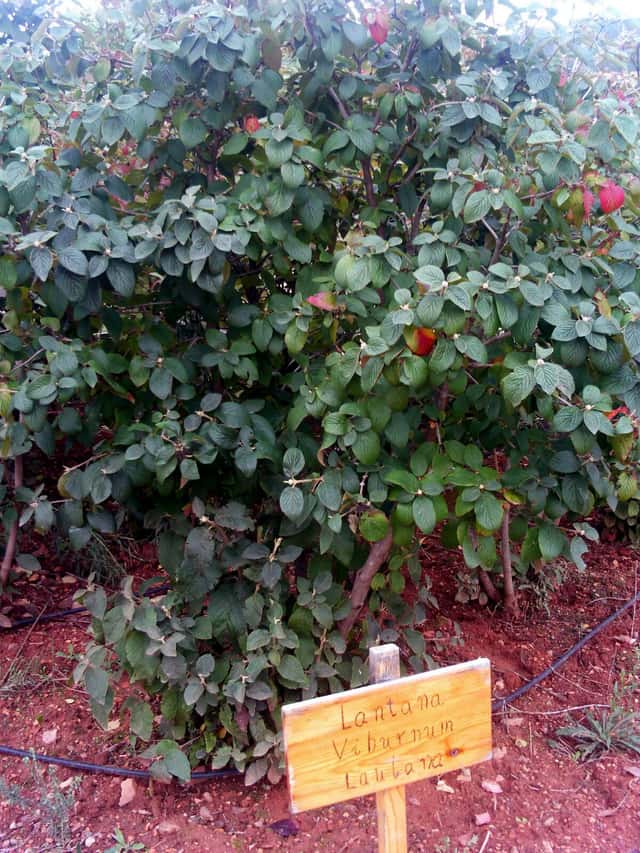
Wayfaring Tree (Viburnum lantana) is a easy-care plant from the Adoxaceae family. Viburnum lantana, commonly known as the wayfaring tree, is a robust deciduous shrub native to Europe, North Africa and western Asia. It forms a broad, multi-stemmed mound of felty, grey-green leaves that turn deep red-purple in autumn. Flat clusters of small creamy-white flowers open in late spring,...
Wayfaring Tree grows up to 5.0m, spread of 400cm, watering every 7 days, -25°C – 35°C, 30–70% humidity. It is not suitable for indoor environments and not safe for pets.
Unlike many tropical plants, Wayfaring Tree tolerates watering mistakes. Best for beginners. Without precautions, ingestion can cause irritation in pets. Keep out of reach of cats and dogs.
How to Care for Wayfaring Tree?
TLDR: Wayfaring Tree needs Bright indirect, watering every 7 days, and temperatures between -25-35°C with 30-70% humidity.
How Often Should You Water Wayfaring Tree?
Water deeply once or twice a week during the first year to help roots establish, then rely mostly on rainfall. Established plants are quite drought-tolerant and only need watering during extended dry, hot spells.
How Much Light Does Wayfaring Tree Need?
Performs best in full sun, which produces the most flowers and berries, but tolerates partial shade, especially in hotter climates where some afternoon shade is appreciated.
What Is the Best Soil for Wayfaring Tree?
Adapts to sandy, loamy, clay, and even chalky/alkaline soils as long as drainage is reasonable. It is one of the few ornamental shrubs that genuinely thrives on chalk and lime-rich ground.
What Pot Should You Use for Wayfaring Tree?
Best grown directly in the ground; if starting in a container, use a large (40L+) pot with drainage holes and transplant to open ground within 1-2 years for healthiest long-term growth.
Care Schedule
Fertilize
Every 180 days
What Is Wayfaring Tree and Where Does It Come From?
Viburnum lantana, commonly known as the wayfaring tree, is a robust deciduous shrub native to Europe, North Africa and western Asia. It forms a broad, multi-stemmed mound of felty, grey-green leaves that turn deep red-purple in autumn. Flat clusters of small creamy-white flowers open in late spring, followed by berries that ripen from green to red and finally glossy black, often showing several colors on the same cluster at once. Traditionally planted along hedgerows and footpaths, it earned its common name for marking the way for travelers across the English countryside.
How to Propagate Wayfaring Tree?
Semi-hardwood stem cuttings
Bottom heat around 18-21C speeds rooting; check for resistance every couple of weeks to confirm root development before transplanting.
- 1 Take 10-15cm semi-hardwood cuttings from the current season's growth in mid-to-late summer
- 2 Remove the lower leaves and dip the cut end in rooting hormone
- 3 Insert cuttings into a free-draining mix of perlite and compost
- 4 Keep in a shaded, humid propagator or under a plastic cover until roots form
Materials needed:
Seed sowing
Seed-grown plants can take one to two years to germinate due to double dormancy; cuttings or layering are faster and more reliable.
- 1 Clean ripe black berries and extract the seed
- 2 Sow fresh seed in trays of free-draining compost outdoors
- 3 Expose seed to a warm then cold stratification cycle (double dormancy)
- 4 Keep moist and be patient, as germination is often delayed until the second spring
Materials needed:
How Big Does Wayfaring Tree Grow?
TLDR: Wayfaring Tree can reach up to 5.0m tall with Medium growth rate.
Max height
5.0m
Spread
4.0m
Growth rate
Medium
Foliage
Deciduous
Warning: Toxic Plant
This plant can be toxic if ingested. Keep out of reach of:
Plant Uses
Ornamental
Great for decoration
Is your plant showing symptoms?
Click on the symptom to discover possible causes:
What Diseases Commonly Affect Wayfaring Tree?
TLDR: Wayfaring Tree is susceptible to 4 known diseases. Monitor regularly for early detection.
Powdery Mildew
Powdery mildew is a common fungal disease caused by various fungi species including Erysiphe, Podosphaera, Oïdium, and Leveillula. It affects over 10,000 plant species worldwide. The disease thrives in warm, dry climates with high humidity and appears as a distinctive white powdery coating on plant surfaces.
Aphids
Aphids are small, soft-bodied, pear-shaped insects (1/16 to 1/8 inch long) that feed by sucking nutrient-rich sap from plants. They reproduce rapidly and can quickly weaken plants, causing distorted growth and transmitting plant viruses. Aphids come in various colors including green, black, red, yellow, brown, and gray. They secrete honeydew, a sticky substance that attracts ants and encourages sooty mold growth.
Bacterial Leaf Spot
Bacterial leaf spot is a plant disease caused by bacteria in the Xanthomonas and Pseudomonas genera that affects various ornamental and edible plants. The bacteria infect leaves through wounds or natural openings, causing characteristic lesions that can lead to premature leaf drop and plant weakening.
Sooty Mold
Sooty mold is a fungal disease that develops on surfaces coated with honeydew, a sticky sweet substance secreted by sap-sucking insects like aphids, scale insects, and whiteflies. While it does not directly infect plant tissue, it reduces photosynthetic capacity by blocking sunlight and diminishes the plant's aesthetic appearance.
Meaning & Symbolism
Named for lining old wayfarers' paths through the countryside, this shrub has come to represent guidance, resilience, and steady companionship along life's journey.
Fun Facts
Its berries pass through several colors -- green, red, then glossy black -- often all at once on the same cluster.
The common name comes from its historic use as a marker shrub along footpaths and roadways in England.
Its felted grey-green leaves and flexible young stems were once used to make walking sticks and cattle yokes.
Frequently asked questions
Is Viburnum lantana toxic?
How much sun does a wayfaring tree need?
Does Viburnum lantana need a lot of water?
What soil does Viburnum lantana prefer?
How do I propagate a wayfaring tree?
Compare with similar plants
| Attribute | Difficulty | Light | Watering | Pet Safe |
|---|---|---|---|---|
| Field Maple | Easy | Bright indirect | 14d | ✓ |
| Silver Birch | Easy | Direct sun | 14d | ✓ |
| Common Blanketflower | Easy | Direct sun | 10d | ✓ |
| Cushion Bush | Easy | Direct sun | 14d | ✓ |





