Oleaceae
White ash: Fast Growing
Fraxinus americana
A low-maintenance shade tree once established. Plant in full sun to partial shade in loamy, well-drained soil. Water regularly while young; established trees tolerate short dry spells. Watch for emerald ash borer, the most serious threat to this species.
Every 7-10 days
Bright indirect
° - °C
% - %
Categories
What is White ash?
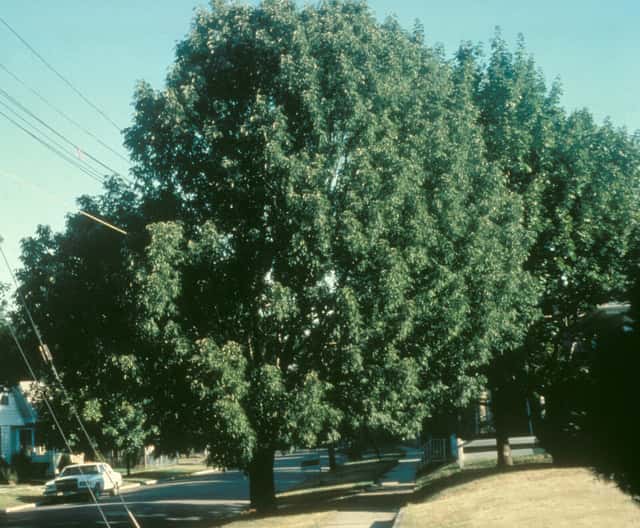
White ash (Fraxinus americana) is a medium-care plant from the Oleaceae family. White ash (Fraxinus americana) is a large, fast-growing deciduous shade tree native to eastern and central North America. Part of the olive family (Oleaceae), it features odd-pinnate compound leaves with 5-9 leaflets that turn yellow to purple in fall, and can reach 60-80 feet tall in the landscape.
White ash grows up to 36.0m, spread of 2200cm. It is not suitable for indoor environments and safe for pets.
Unlike many popular species, White ash is safe to keep around pets.
How to Care for White ash?
TLDR: White ash needs Bright indirect, watering every 7 days, and temperatures between 15-30°C with 40-70% humidity.
How Often Should You Water White ash?
Water deeply and regularly during the first few years to establish a deep root system; mature trees are more drought tolerant but benefit from watering during prolonged dry spells.
How Much Light Does White ash Need?
Thrives in full sun to partial shade; more sun generally produces denser canopy and better fall color.
What Is the Best Soil for White ash?
Prefers rich, moist, well-drained loamy soil with slightly acidic to neutral pH, but tolerates a range of soil types.
Care Schedule
Fertilize
Every 14 days
Misting
Every 3 days
Rotate
Every 7 days
Repot
Every 365 days
What Is White ash and Where Does It Come From?
White ash (Fraxinus americana) is a large, fast-growing deciduous shade tree native to eastern and central North America. Part of the olive family (Oleaceae), it features odd-pinnate compound leaves with 5-9 leaflets that turn yellow to purple in fall, and can reach 60-80 feet tall in the landscape.
How Big Does White ash Grow?
TLDR: White ash can reach up to 36.0m tall with Fast growth rate.
Max height
36.0m
Spread
22.0m
Growth rate
Fast
Foliage
Deciduous
Plant Uses
Ornamental
Great for decoration
Is your plant showing symptoms?
Click on the symptom to discover possible causes:
What Diseases Commonly Affect White ash?
TLDR: White ash is susceptible to 6 known diseases. Monitor regularly for early detection.
Verticillium Wilt
Verticillium wilt is a soil-borne fungal disease caused primarily by the fungi Verticillium dahliae and V. albo-atrum. These pathogens infect plant roots and grow within the vascular tissues, blocking water and nutrient transport, resulting in wilting and eventual plant death. The disease affects over 350 plant species including vegetables, fruits, ornamental flowers, and trees. The fungi can survive in soil for more than 10 years as resistant structures called microsclerotia.
Canker
Canker is a disease caused by various fungi and bacteria that create necrotic, sunken areas on bark of branches, stems, and trunks. Pathogens enter through wounds and natural openings, especially when plants are stressed. Canker can gradually weaken or kill branches by disrupting water and nutrient flow.
Root Rot
Root rot is a serious fungal disease that affects the root system of plants, causing them to decay and die. It is primarily caused by overwatering, poor drainage, or soil-borne fungi such as Pythium, Phytophthora, Rhizoctonia, and Fusarium. The disease thrives in waterlogged conditions where roots are deprived of oxygen, making them susceptible to fungal infection.
Powdery Mildew
Powdery mildew is a common fungal disease caused by various fungi species including Erysiphe, Podosphaera, Oïdium, and Leveillula. It affects over 10,000 plant species worldwide. The disease thrives in warm, dry climates with high humidity and appears as a distinctive white powdery coating on plant surfaces.
Compare with similar plants
| Attribute | Difficulty | Light | Watering | Pet Safe |
|---|---|---|---|---|
| Dark Fieldcap | Medium | Low light | 2d | ⚠️ |
| Azalea | Medium | Partial shade | 3d | ⚠️ |
| Muriel's Bamboo | Medium | Partial shade | 3d | ✓ |
| Bougainvillea | Medium | Direct sun | 7d | ⚠️ |




